English
 中文简体
中文简体 русский
 Français
 Español

Ask anyone who has driven a forklift for the first time and they will tell you the same thing: the moment you sit in the seat, the machine feels different from a car. A forklift steers from the rear wheels, carries its load in front of the operator, and demands a different kind of attention. The good news is that the skills are learnable in a few days of training. What follows is a practical, no-nonsense guide to driving a forklift safely.
Start With Proper Training and Certification
In most countries, you cannot legally operate a forklift without formal certification. The training typically covers theory, hands-on practice, and a written and practical exam. Even if your workplace hands you the keys, take the training seriously when no one is watching. A certified operator knows how to inspect the machine, handle loads, react in emergencies, and follow workplace safety rules. Certification is not just a formality - it protects you, your coworkers, and the equipment.
What the training covers
Most forklift training programs include forklift anatomy, daily inspection, load handling, steering, parking, ramp safety, and hazard recognition. Expect to spend three to eight hours on classroom work and another few hours on the machine before you drive on your own.
Know Your Forklift: Components, Controls, and Instruments
Before you move, you need to know what each lever and pedal does. The difference between driving a forklift and a car is that your eyes need to look around, while your hands and feet manage multiple controls at once.
Main parts you should recognize
- Mast: the vertical assembly that raises and lowers the forks
- Forks: the carrying arms that slide under a load
- Carriage: the frame that holds the forks and moves up the mast
- Load backrest: helps keep the load from falling backward
- Counterweight: at the rear, balances the load in front
- Overhead guard: protects the operator from falling loads
Controls and instruments
Most counterbalance forklifts have the same basic controls: steering wheel, accelerator, brake, two or three hydraulic levers for lift and tilt, and a directional shift lever. The gauges show fuel or battery charge, engine hour meter, and warning lights for oil pressure or temperature. Know exactly where each one is located before you drive.
| Control | Function | Notes |
|---|---|---|
| Steering wheel | Steers the machine | Rear-wheel steering |
| Lift lever | Raises forks | Pull toward you to lift |
| Lower lever | Lowers forks | Push away to lower |
| Tilt lever | Angles the mast | Forward or backward |
| Accelerator | Controls speed | Right foot, like a car |
| Brake | Stops the forklift | Left foot, like a car |
| Directional shift | Selects forward or reverse | Found on the steering column |
Pre-Operation Inspection: The Daily Walkaround
Before you start the engine, walk around the forklift. This takes about five to ten minutes but prevents most mechanical failures and accidents. Start with a visual check: look for oil or coolant leaks, check tire pressure and wear, inspect forks for cracks or bending, confirm the overhead guard is secure, and test the horn, lights, and backup alarm.
Then climb in and check the fluid levels - engine oil, hydraulic oil, coolant, and battery. Many electric forklifts also have a battery indicator; note the charge before you begin. If anything looks wrong, report it. Do not operate a forklift that is damaged or leaking.
How to Drive a Forklift Step by Step
Mounting and starting
Use the three-point method to enter the cab: face the forklift, hold the grab handle, and swing your leg in. Keep three points of contact at all times. Once seated, adjust the seat and fasten your seatbelt. Check that the floor is clear and set the parking brake.
Moving forward and reversing
With the mast tilted back and the forks about 15 to 20 centimeters above the ground, shift into forward and release the parking brake. Press the accelerator gently. A forklift accelerates slowly, so give it time. When you reverse, remember the forklift steers from the rear, so the front of the machine swings wider. Always look in the direction of travel and use the mirrors when available.
Steering and maneuvering
Turn the steering wheel smoothly. Because the rear wheels steer, the back of the forklift swings outward in a turn. In tight aisles, let the front wheels follow the path while you steer the rear. Make small adjustments, avoid jerky movements, and never turn while the load is lifted high. On ramps, keep the load uphill and drive straight.
Parking and shutdown
To stop, release the accelerator and apply the brake gently. Bring the machine to a complete stop, lower the forks flat on the ground, tilt the mast forward slightly, shift into neutral, apply the parking brake, and turn off the engine. On some models, remove the key. Do not leave the forklift running with the operator out of the seat.
Handling Loads Safely
Lifting a load
Approach the load slowly and at a right angle. Insert the forks as deep as possible under the load, but avoid hitting the pallet too hard. Raise the load slightly, tilt it back, and lift to the desired height. Keep the load as close to the ground as possible during travel - about the height of a wheel hub.
Traveling with a load
Travel with the load tilted back about 2 to 5 degrees to keep it stable. Keep the mast vertical or tilted back, and never drive with the load elevated more than necessary. When going up a ramp, drive forward with the load uphill. When going down, drive in reverse with the load uphill.
Stacking and unstacking
To stack, approach the rack, stop, lift the load to the required height, and tilt the mast slightly forward. To unstack, insert the forks, lift the load, tilt back, and lower. Never use the mast to push or pull loads - a lateral force can tip the forklift.
Safety Rules That Prevent Accidents
Understanding forklift stability
A forklift's stability relies on the counterweight behind you and the load in front. The two combine to form a triangular stability zone. If the load shifts, or if you turn too fast with a high load, a tipover can happen quickly. Always check the load capacity plate and never exceed it.
Keep this in mind: The widest part of the forklift is the rear counterweight. Give it enough room when turning, especially in narrow aisles and around dock doors.
Staying aware of your surroundings
Watch for pedestrians, especially at intersections, docks, and narrow aisles. Use the horn when approaching corners or blind spots. Maintain a safe distance from the edge of loading docks and never operate on a dock with the trailer not secured. Follow the 3-foot rule: keep a three-foot warning distance between the forklift and pedestrians.
Choosing the Right Forklift for the Job
Not every forklift drives the same way, and the type you choose matters for the work you do. Diesel forklifts produce strong torque and run long shifts without charging. Electric forklifts are cleaner and quieter for indoor work. LPG models offer a middle ground between emissions and runtime.
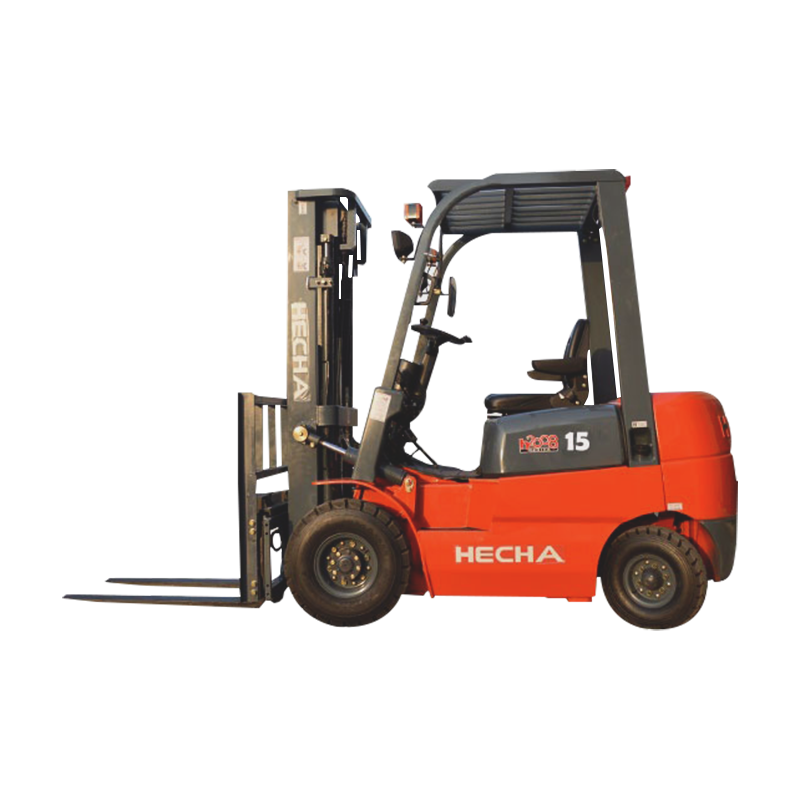
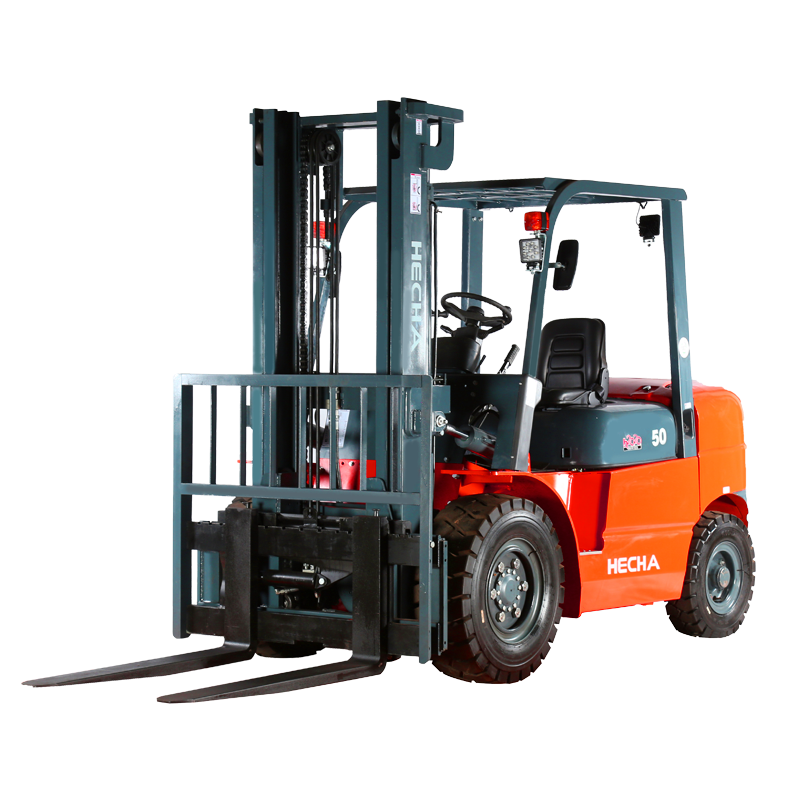
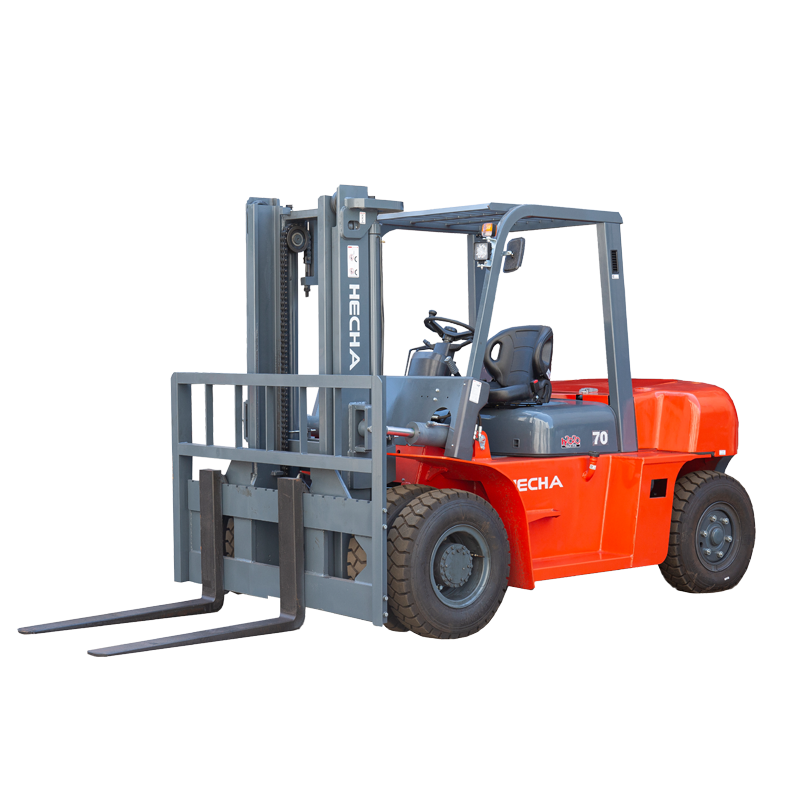
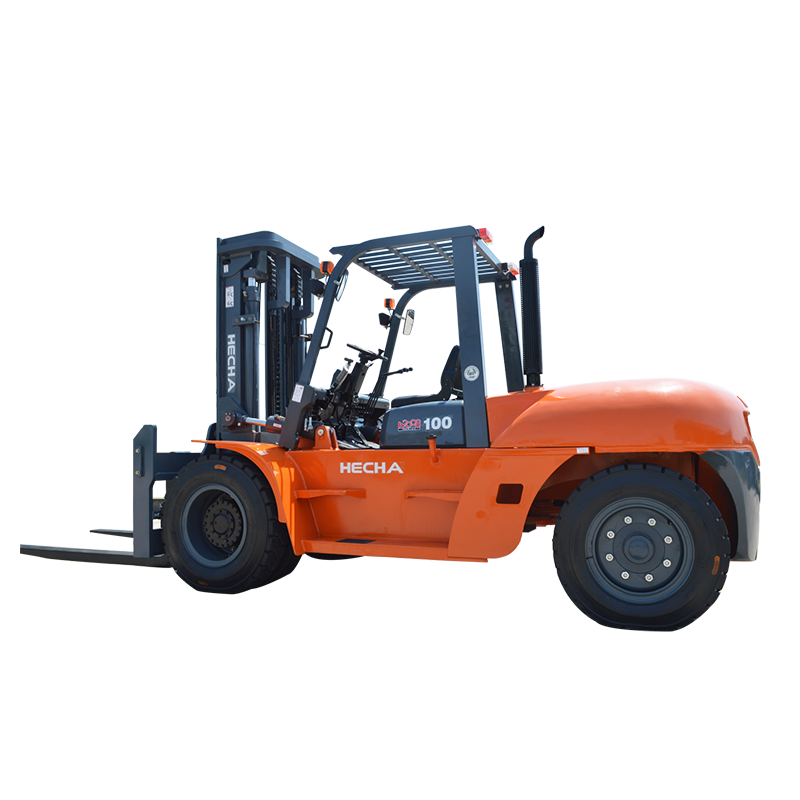
For heavy loads or outdoor jobs, a 2.0-3.8 ton diesel forklift series offers the torque you need and a straightforward refueling routine.
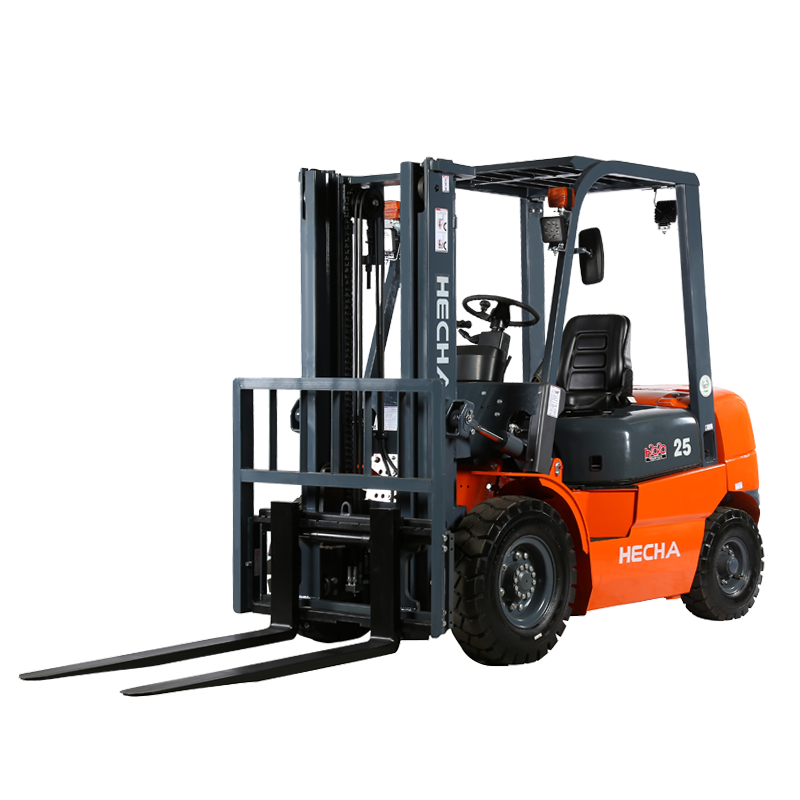 Hecha 2.0-3.8 Ton Diesel Forklift for Heavy Outdoor LoadsThis diesel forklift series delivers the high torque needed for demanding outdoor tasks and offers straightforward refueling. With capacities from 2.0 to 3.8 tons, it is a practical choice if you prioritize power and easy maintenance over emissions.View Product →
If you work mainly indoors, a 2-5 ton lead-acid electric forklift keeps emissions at zero and produces significantly less noise than an internal combustion model.
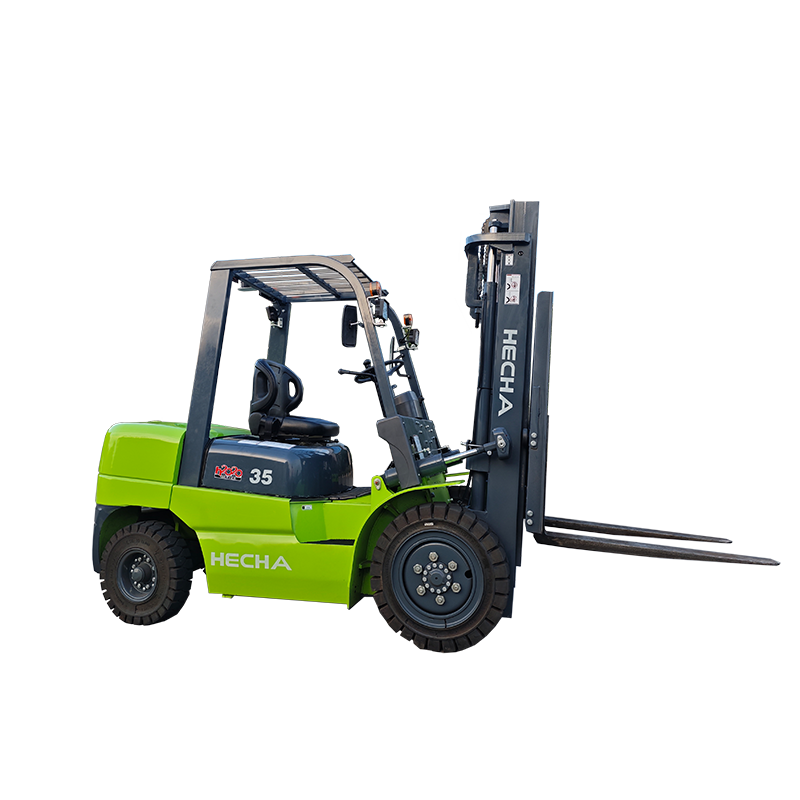 Hecha Lead-Acid Electric Forklift for Indoor OperationsThis lead-acid battery forklift is designed for indoor use, providing zero emissions and low noise. Its stable performance and mature technology make it a reliable option when internal combustion models are unsuitable.View Product →
When uptime is your priority, a 2-3.5 ton lithium electric forklift can charge in one to two hours and support multi-shift work without battery swaps.
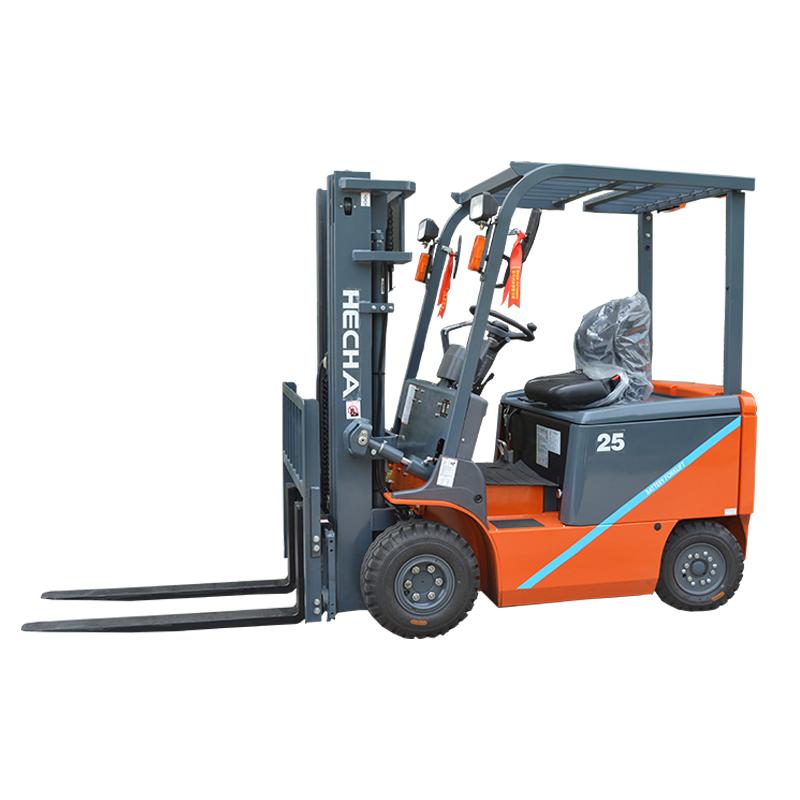 Hecha 2-3.5 Ton Lithium Electric Forklift for Fast ChargingThis lithium-electric forklift charges in just one to two hours and supports multi-shift work without battery swaps. It offers long cycle life and low maintenance, making it an efficient choice for high-uptime operations.View Product →
Still undecided? See our electric vs diesel forklift comparison to match the machine to your warehouse conditions.
Daily Maintenance That Prevents Downtime
You do not need to be a mechanic to keep a forklift healthy. A few minutes of daily care go a long way: check the hydraulic fluid level, inspect the forks for cracks, check tire pressure, and look at the battery terminals for corrosion. Listen for unusual noises and report anything that feels different.
Ignoring small issues leads to expensive repairs. Read our guide to forklift maintenance to build a simple schedule that keeps your forklifts ready for every shift.
Forklift Driving FAQ
Q1: Do I need a license to drive a forklift?
Most jurisdictions require a certification or license for forklift operation. Even where it is not legally required, employers should train and authorize operators before they drive.
Q2: How long does it take to learn to drive a forklift?
Basic skills usually take one to two days of training. Becoming truly proficient - handling loads smoothly, parking precisely, working in tight spaces - takes weeks of on-the-job practice.
Q3: What is the 3-foot rule?
The 3-foot rule states that a forklift should keep a distance of at least three feet from pedestrians. Use the horn and approach corners slowly to give people time to move.
Q4: What should I do if a forklift tips over?
Do not jump. Keep your seatbelt fastened, hold on to the steering wheel, plant your feet, and lean away from the direction of the fall. Stay in the protective cage until the forklift comes to a rest.