English
 中文简体
中文简体 русский
 Français
 Español

Industrial Powertrain Mechanics: Engineering Architecture
Selecting the optimal power source for a material handling fleet requires an analysis of powertrain engineering and industrial mechanics. For warehouse managers and logistics operations directors, the choice between electric platforms and internal combustion equipment is a primary factor determining overall operational efficiency, facility design, and long-term cost structures. To build a reliable material handling infrastructure, it is essential to evaluate how these different powertrains deliver torque, manage energy storage, and respond to variable duty cycles.
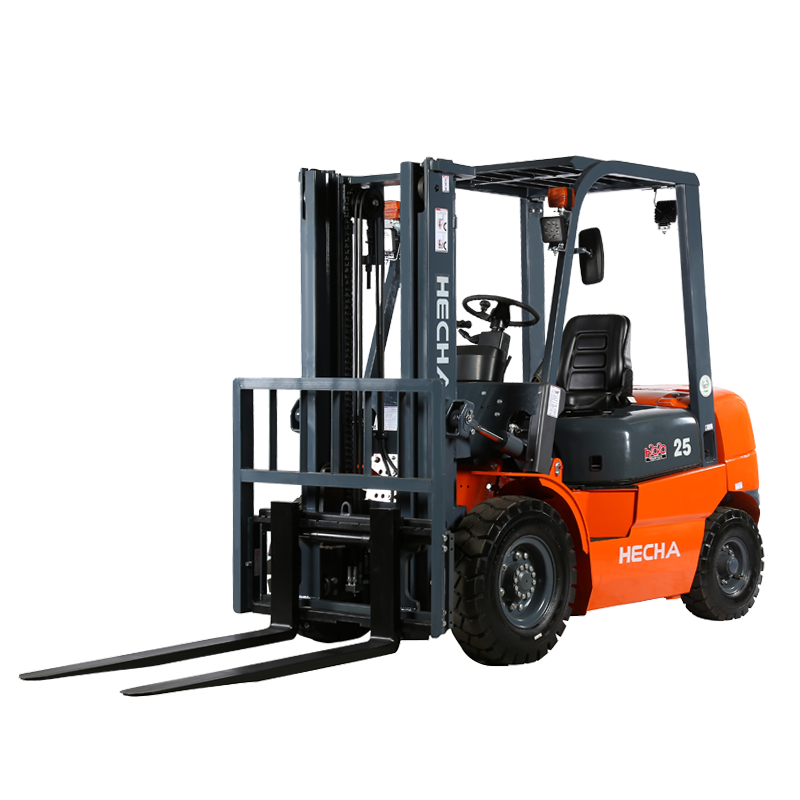
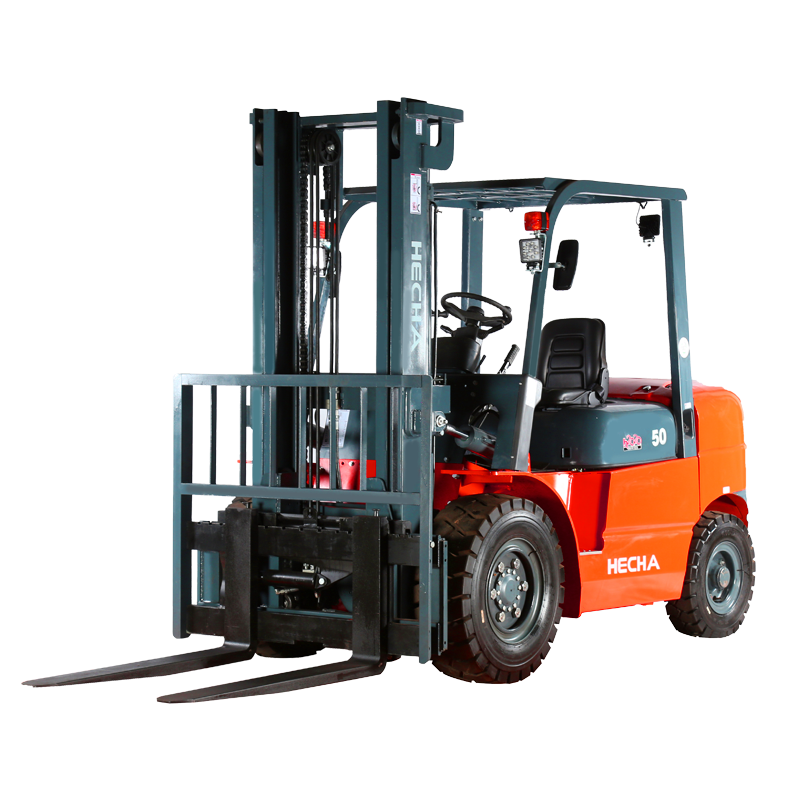
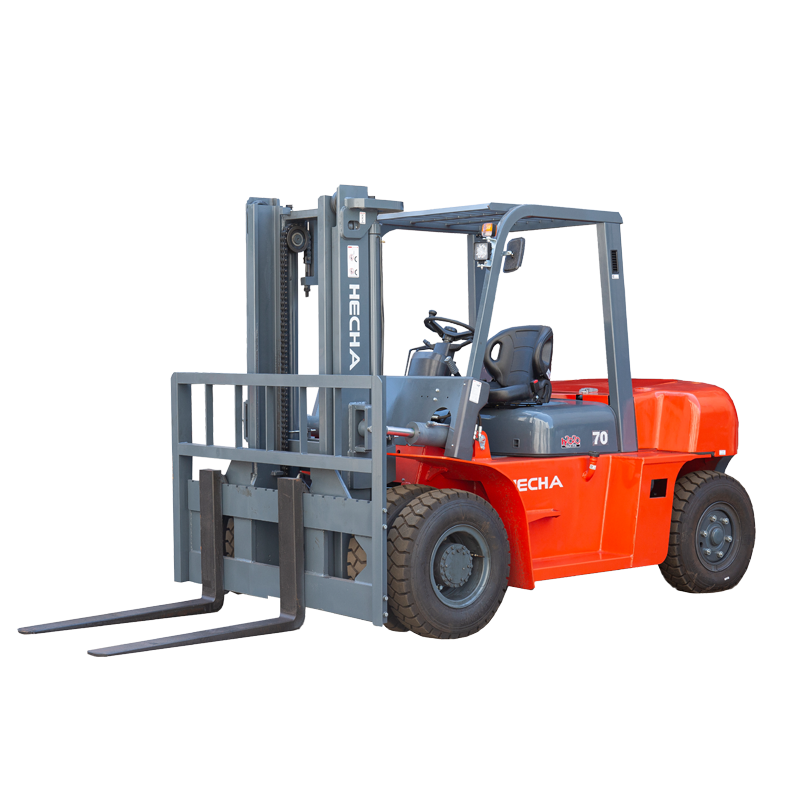
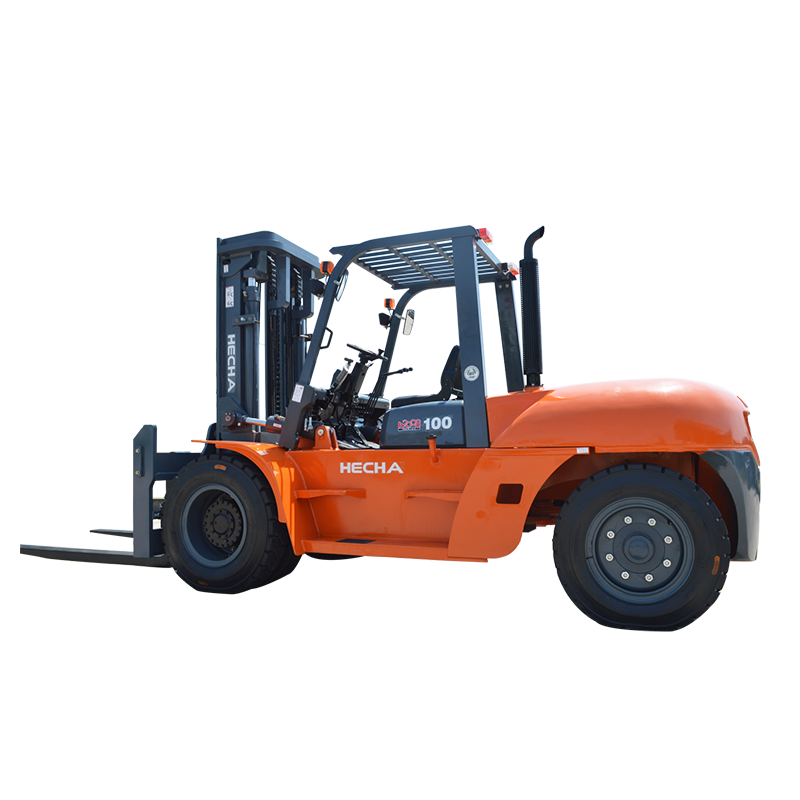
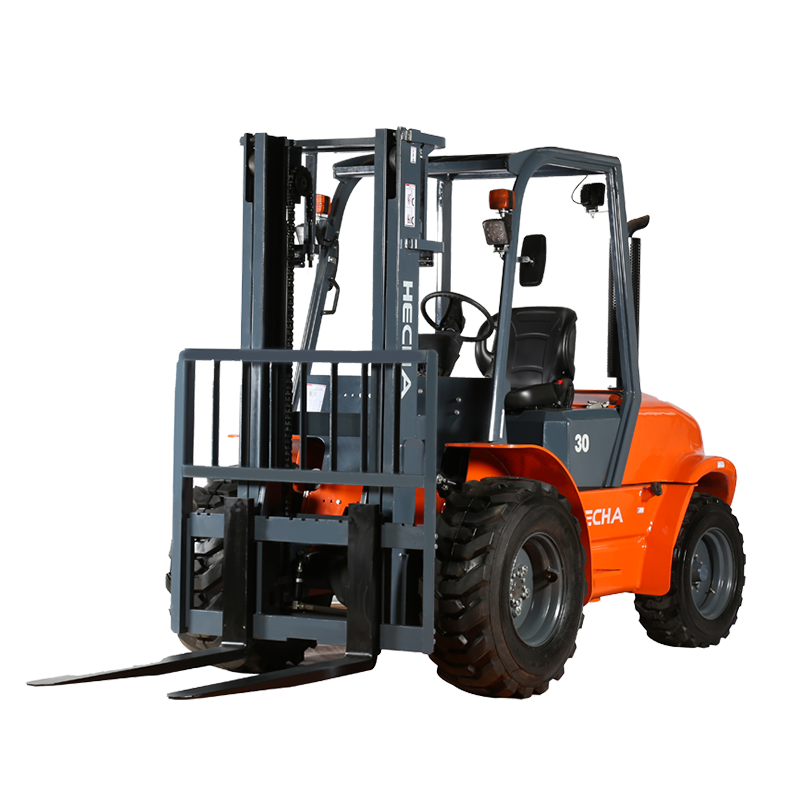
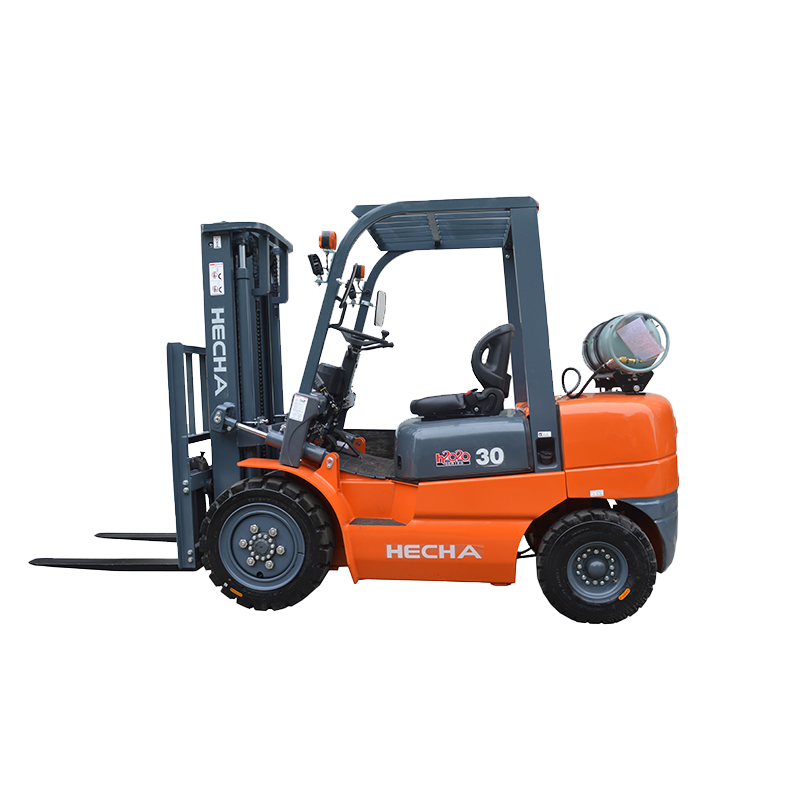
Internal combustion propulsion systems, particularly those implemented in a diesel forklift truck, are engineered around high-compression thermodynamic principles. These vehicles feature heavy-duty multi-cylinder industrial engines that optimize low-end torque profiles. This design allows them to handle high-capacity loads under rigorous duty cycles. The powertrain typically consists of a high-torque diesel engine mated to either a hydrodynamic powershift transmission or a high-precision hydrostatic drive system. Hydrostatic drives offer continuous power delivery and precise speed control without traditional mechanical gear steps, making them well-suited for intensive shuttle applications and directional changes. The direct mechanical energy produced allows these machines to maintain high travel speeds and lift rates, even when operating at maximum capacity across uneven outdoor surfaces or steep inclines.
Electric material handling platforms utilize electro-chemical energy storage systems coupled with electronic power distribution networks. These units replace the internal combustion engine, mechanical transmission, torque converter, and fuel delivery apparatus with a heavy industrial battery pack, an electronic power inverter controller, and high-efficiency three-phase alternating current induction or permanent magnet synchronous motors. The reduction in moving mechanical parts significantly decreases friction losses within the drivetrain. Electric motors deliver peak torque at zero motor revolutions per minute, providing immediate acceleration and precise control during micro-positioning maneuvers at high lift elevations.
To fully understand the performance of modern electric platforms, it is necessary to examine the two primary battery chemistries used in industrial environments: Lead-Acid and Lithium-Iron Phosphate. These technologies differ significantly in energy density, discharge characteristics, and infrastructure requirements.
Lead-Acid Industrial Batteries
Lead-acid battery cells operate via a reversible chemical reaction between lead dioxide, sponge lead, and an aqueous sulfuric acid electrolyte solution. This technology remains a common choice due to its lower initial procurement cost and substantial physical mass, which provides a natural counterweight for the vehicle. However, lead-acid systems have specific operational limits. They exhibit a sloping discharge curve, where voltage output drops progressively as the state of charge decreases. This results in a noticeable reduction in travel and lift speeds during the later hours of a shift. Furthermore, lead-acid batteries require strict charging protocols, typically following an eight-hour discharge, eight-hour charge, and eight-hour cooling cycle. They also require weekly manual maintenance, including adding distilled water to cells and running equalization charges to prevent plate sulfation. This necessitates a dedicated, ventilated battery charging room to safely manage the hydrogen gas emitted during charging cycles.
Lithium-Iron Phosphate Batteries
Lithium-iron phosphate systems represent a major shift in material handling energy storage. These batteries feature a flat discharge curve, maintaining constant voltage and consistent performance metrics until the energy capacity is nearly fully depleted. This enables the machine to maintain uniform lifting and travel speeds throughout the entire shift. Lithium systems support opportunity charging, allowing operators to plug the equipment into fast-charging stations during brief breaks, lunch hours, or shift changes without causing battery degradation or reducing overall lifecycle limits. This eliminates the need for multi-battery rotations and heavy equipment battery changes, allowing continuous multi-shift operations with a single battery permanently housed in the chassis. This technology also eliminates the need for manual cell watering and dedicated battery rooms, helping to streamline facility workflows.
Indoor vs. Outdoor Operational Environments and Surface Dynamics
The physical environment of a facility is a primary factor when evaluating an indoor vs outdoor forklift deployment. The layout, ventilation capacity, ground conditions, and ambient temperature of a workspace impose specific constraints that influence powertrain suitability. Selecting an incompatible power source for a given environment can lead to regulatory compliance issues, safety concerns, and premature equipment wear.
Indoor warehousing, cold storage facilities, and pharmaceutical distribution hubs generally require clean, quiet operation. Electric material handling units are well-suited for these environments. Because they do not produce point-of-use exhaust emissions, they eliminate the risk of carbon monoxide, nitrogen oxides, and particulate matter accumulating in enclosed spaces. This ensures compliance with occupational health regulations without requiring high-capacity HVAC air-exchange systems. Additionally, the quiet operation of electric drives reduces ambient noise levels, which improves operator comfort and spatial awareness in busy warehouses. The compact chassis layout typical of electric configurations also enables tighter turning radii, making them ideal for narrow-aisle racking layouts.
Outdoor logistics terminals, unimproved manufacturing yards, construction sites, and port facilities present a different set of challenges, including uneven surfaces, steep grades, and exposure to weather. For these heavy-duty applications, internal combustion platforms are often selected due to their durable construction and high environmental resistance. Diesel-powered units feature robust structural steel frames, high ground clearance, and large pneumatic or solid pneumatic tires that provide traction on gravel, mud, and uneven concrete pads. The sealed engine compartments and mechanical drivetrains are well-protected against heavy rain, snow, and extreme temperatures, allowing for reliable operation across varying weather conditions.
| Operational Variable | Electric Battery Systems | Diesel Internal Combustion |
|---|---|---|
| Primary Deployment Location | Mainly indoor warehouses, clean rooms, cold storage | Outdoor yards, ports, unimproved ground locations |
| Surface Compatibility | Smooth, level concrete warehouse floors | Gravel, asphalt, mud, unpaved surfaces |
| Gradeability & Ramps | Moderate capacity; performance may drop on steep ramps | High capacity; consistent torque on steep grades |
| Moisture & Weather Resistance | Requires specific ingress protection ratings for wet conditions | High resistance to moisture, rain, and temperature fluctuations |
| Chassis Profile & Turn Radius | Compact layout, ideal for narrow aisles | Larger chassis, requires wider turning aisles |
While diesel platforms have traditionally led in outdoor performance, developments in electric drivetrain engineering have introduced heavy-duty electric models designed for outdoor use. These units feature sealed electronics, high-clearance frames, and weatherproof components, allowing them to compete with internal combustion units in certain outdoor environments. However, for continuous, high-intensity outdoor applications involving heavy loads and rough terrain, diesel equipment remains a reliable choice due to its high power density and quick refueling capabilities.
Tyre configuration is another important factor related to the operating environment. Electric warehouse units typically use smooth cushion tyres made of solid rubber molded onto a steel band. These tyres offer stability for high lifting in narrow aisles but require smooth concrete floors. In contrast, heavy-duty machines use large pneumatic or solid resilient pneumatic tyres. These tyres absorb shocks from rough terrain, protect the chassis components, and maintain traction on slippery or uneven surfaces, which is essential for safe outdoor operation.
Comprehensive Total Cost of Ownership Analysis
A strategic fleet procurement decision requires a detailed operational cost comparison that extends beyond the initial purchase price. A total cost of ownership analysis evaluates capital expenditure against long-term operating costs over the entire lifecycle of the equipment. This calculation reveals that the most economical choice over time may differ from the option with the lowest upfront acquisition cost.
The financial differences between electric platforms and diesel equipment are structured differently across their lifecycles. Electric units have a higher initial capital expense, primarily due to the cost of advanced battery systems and industrial charging infrastructure. Setting up three-phase fast chargers or opportunity charging stations requires upfront capital and may necessitate electrical grid upgrades for the facility. Conversely, diesel units have a lower initial purchase price because internal combustion manufacturing is mature and does not require complex electronic control systems or specialized charging infrastructure.
However, an evaluation of ongoing operational costs shows a different trend. Electric units provide cost advantages in terms of energy consumption and maintenance. The cost of electricity per operating hour is typically lower than the equivalent cost of diesel fuel, particularly in regions with high fuel prices or where businesses can use off-peak electrical tariffs. Additionally, electric drivetrains contain fewer moving parts, eliminating components like pistons, crankshafts, valves, turbochargers, fuel injectors, spark plugs, and exhaust treatment systems. This reduces the frequency and complexity of regular maintenance tasks.
The maintenance schedule for internal combustion platforms requires regular service intervals to ensure reliability. These tasks include engine oil changes, oil filter replacements, fuel filter servicing, air filter changes, and transmission fluid maintenance. Furthermore, the high thermal stress and mechanical vibration inherent in diesel engines can cause faster wear on surrounding components, such as hoses, belts, and cooling systems, increasing long-term maintenance costs.
For a detailed breakdown of maintenance requirements, consider the following routine service items for internal combustion systems:
- Engine Drivetrain Care: Periodic replacement of motor oil, lubricants, and oil filters every 250 to 500 operating hours.
- Fuel Supply Maintenance: Inspection and replacement of primary and secondary fuel filters to prevent fuel injector contamination.
- Air Filtration Management: Cleaning and replacing heavy-duty air intake filters to protect the engine from dust in industrial yards.
- Cooling Infrastructure Care: Flushing the radiator and maintaining coolant levels to prevent engine overheating during intensive summer shifts.
- Exhaust System Service: Inspecting and servicing diesel particulate filters and selective catalytic reduction units to ensure emissions compliance.
For electric machines, the maintenance schedule is simplified, focusing primarily on electronics, braking systems, and hydraulic lines:
- Battery Pack Care: For lead-acid systems, weekly watering and equalization; for lithium systems, periodic diagnostic scans via a battery management system.
- Inverter Control Servicing: Cleaning cooling fins and updating software parameters to maintain optimal power distribution.
- Electric Motor Inspection: Periodic checking of electrical connections and insulation resistance, with no brushes to replace in modern brushless AC motors.
- Braking Component Care: Regenerative braking systems use the electric motor to slow the vehicle, recovering kinetic energy and significantly reducing wear on mechanical brake pads.
Global Emission Standards, Compliance, and Environmental Impact
Environmental regulations and corporate sustainability targets are becoming increasingly important in modern fleet logistics. Industrial operations must comply with regional forklift emissions standards, which restrict the use of certain internal combustion equipment in specific contexts. Understanding these legal frameworks is essential for maintaining operational compliance and avoiding regulatory penalties.
In international logistics hubs, regulatory bodies like the European Union and the United States Environmental Protection Agency enforce strict limits on exhaust emissions from non-road mobile machinery. Current standards, such as EU Stage V and EPA Tier 4 Final, mandate reductions in particulate matter, carbon monoxide, hydrocarbon output, and nitrogen oxides produced by diesel engines. To meet these standards, modern diesel platforms must incorporate advanced exhaust after-treatment technologies, including diesel particulate filters, diesel oxidation catalysts, and selective catalytic reduction systems that use diesel exhaust fluid.
These after-treatment systems increase the complexity of internal combustion engines and introduce new maintenance requirements. Operators must monitor fluid levels and manage active regeneration cycles, where the exhaust system heats up to burn off collected soot. If an engine is run on short cycles without reaching full operating temperature, the filter can plug prematurely, leading to equipment downtime and repair costs.
Electric material handling equipment avoids these tailpipe emissions requirements. Because they run on electro-chemical storage, they do not produce point-of-use exhaust, removing the need for testing, after-treatment systems, or exhaust fluid management. This makes them well-suited for companies aiming to reduce their reported scope 1 corporate carbon footprint.
Beyond gaseous emissions, noise pollution is another factor in environmental compliance. Internal combustion engines generate noise from mechanical movement and exhaust pressure waves, contributing to higher overall decibel levels in the workplace. Electric drives operate with minimal noise, creating a quieter work environment that supports employee comfort and communication safety.
Strategic Selection Framework: Operational Matching
Choosing between a battery-powered vs internal combustion fleet requires an assessment of your facility's operational profile. There is no single solution for all scenarios; instead, managers should evaluate specific metrics to determine which technology best supports their operational goals.
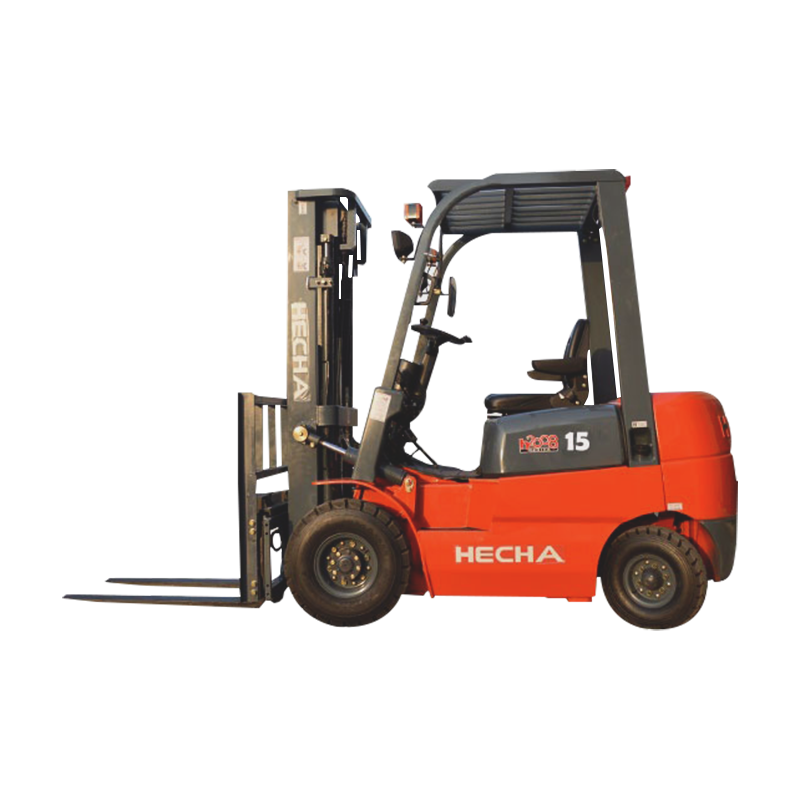
To systematically evaluate your requirements, consider the following key parameters:
Operational Shift Patterns and Throughput Intensity
Facilities running continuous 24-hour schedules with multiple consecutive shifts face distinct energy replenishment challenges. If using lead-acid electric options, a multi-shift operation requires purchasing multiple battery packs per truck along with heavy-duty crane extraction systems to switch batteries between shifts. Lithium-iron phosphate batteries can simplify this process by allowing opportunity charging during scheduled breaks, provided the facility's power supply can support fast-charging stations. For operations with variable schedules or limited electrical infrastructure, diesel platforms provide reliable runtime, as they can be refueled quickly from a standard fuel storage tank.
Facility Architecture and Space Optimization
The layout and dimensions of a facility influence the choice of equipment. Indoor distribution centers with narrow aisles and high racking require responsive steering and a compact footprint. Electric units are well-suited for these layouts because their battery placement helps minimize the turning radius. Conversely, facilities with outdoor storage yards, uneven driving surfaces, or long transfer routes across large properties are often better served by the durable chassis and high ground clearance of internal combustion vehicles.
Infrastructure and Capital Allocation
Fleet planners must balance initial capital expenses against ongoing operating savings. If the company prioritizes a lower initial purchase price and has established fuel storage onsite, diesel units may fit the budget requirements. However, if the business can support a higher initial investment in exchange for lower maintenance costs and energy expenses over time, investing in electric platforms and the necessary charging infrastructure can provide long-term financial benefits.
Frequently Asked Questions
Q1: How do extreme temperature variations impact electric forklift battery performance compared to diesel units?
Extreme temperatures affect both systems differently. Cold storage environments can reduce the active capacity of industrial batteries, particularly lead-acid variants, by lowering chemical reaction rates. Lithium systems often utilize integrated thermal management blankets to maintain stable internal temperatures. Diesel platforms are less affected by cold temperatures regarding capacity, but they require appropriate fuel winterization and cold-start systems to prevent fuel gelling in freezing conditions.
Q2: What are the specific ventilation infrastructure mandates for facilities utilizing lead-acid electric batteries?
Facilities using lead-acid batteries must install dedicated charging areas with high-capacity exhaust ventilation systems. This infrastructure is required to safely dilute and remove hydrogen gas produced during the final stages of the charging cycle, keeping gas concentrations well below safety thresholds. Lithium-iron phosphate batteries do not produce gas during normal charging and do not require dedicated ventilation systems.
Q3: Can an electric model designed for indoor warehousing be deployed for occasional outdoor tasks?
Standard indoor electric units with low ground clearance and smooth cushion tyres are designed for flat concrete floors and should not be operated outdoors on rough surfaces like gravel or unpaved yards. Doing so can cause tyre slippage, structural stress, and potential moisture damage to the electrical components. For mixed indoor and outdoor applications, look for specialized pneumatic-tyred electric models with appropriate ingress protection ratings for weather resistance.
Q4: What is the typical useful lifespan of a lithium-iron phosphate battery compared to a diesel engine?
A high-quality lithium-iron phosphate battery pack typically delivers between 3,000 and 5,000 charge cycles before its capacity drops to 80 percent of its original rating. Depending on usage patterns, this provides an operational lifespan of roughly 7 to 10 years. An industrial diesel engine can operate for 10,000 to 15,000 hours before requiring a major overhaul, provided it undergoes all scheduled maintenance, including oil, filter, and cooling system service.
Q5: How does the depreciation rate and resale value compare between electric and diesel industrial equipment?
Diesel platforms often maintain a predictable residual value on the secondary market because their mechanical components are widely understood, and engine condition can be evaluated through standard inspections. Electric units have historically seen higher depreciation rates due to uncertainties regarding used battery health. However, as advanced diagnostics for lithium systems become more common, the resale market for electric platforms is stabilizing, allowing buyers to verify remaining battery life accurately.