English
 中文简体
中文简体 русский
 Français
 Español

The Powerhouse of Heavy-Duty Material Handling
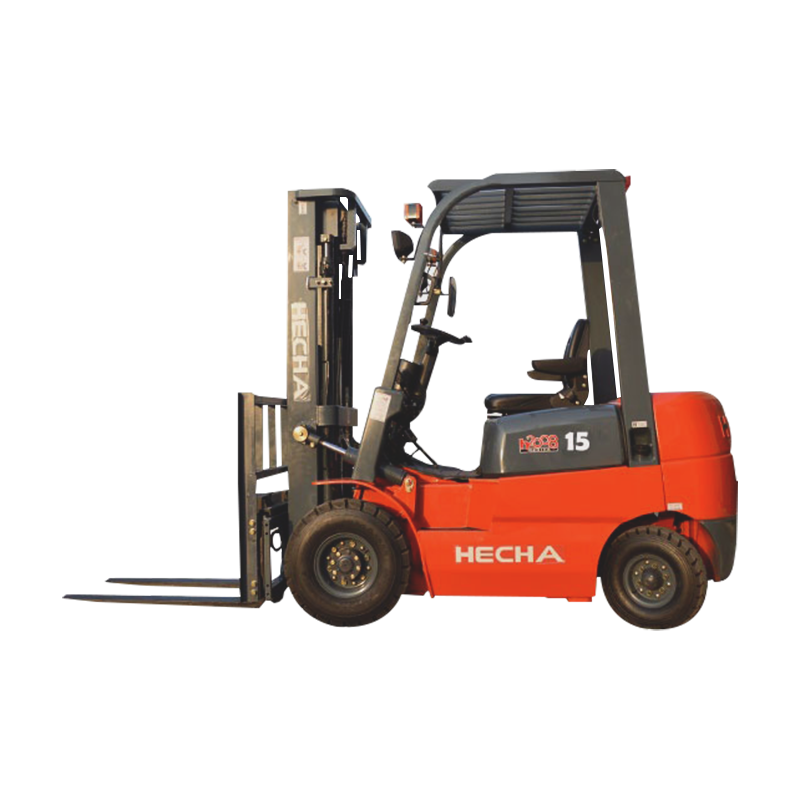
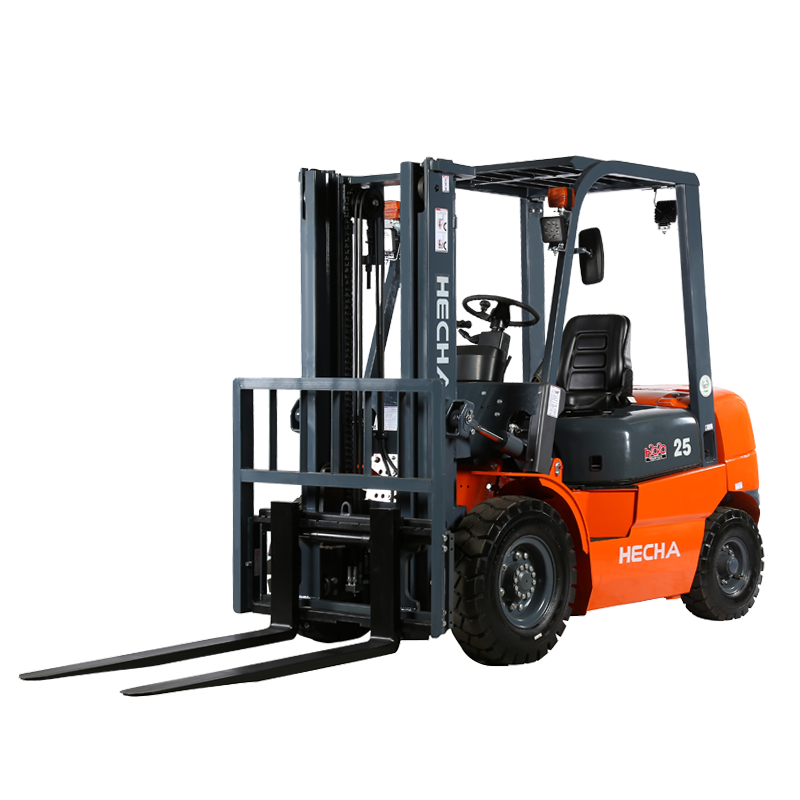
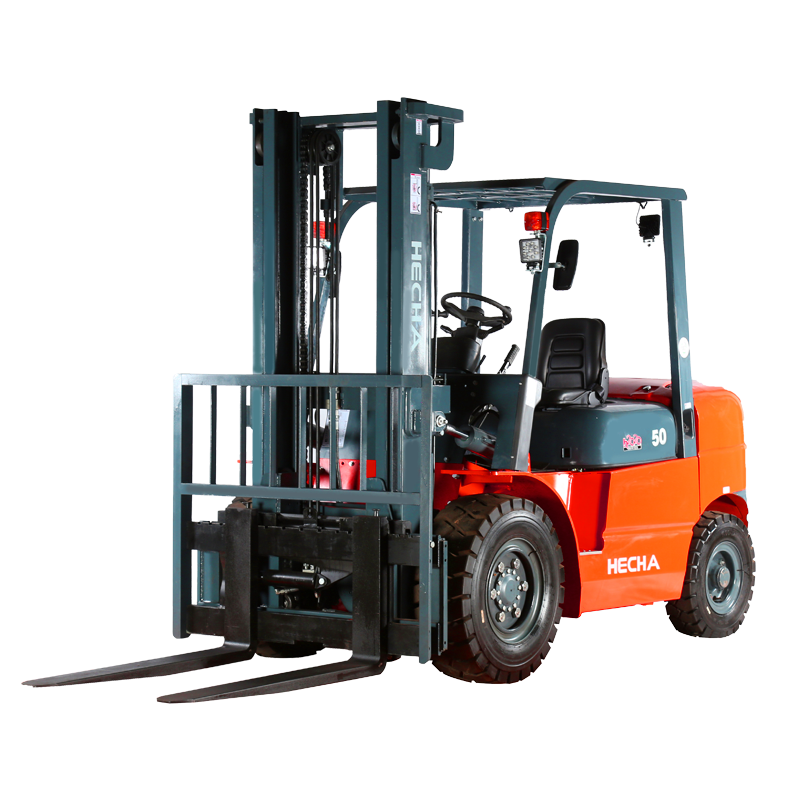
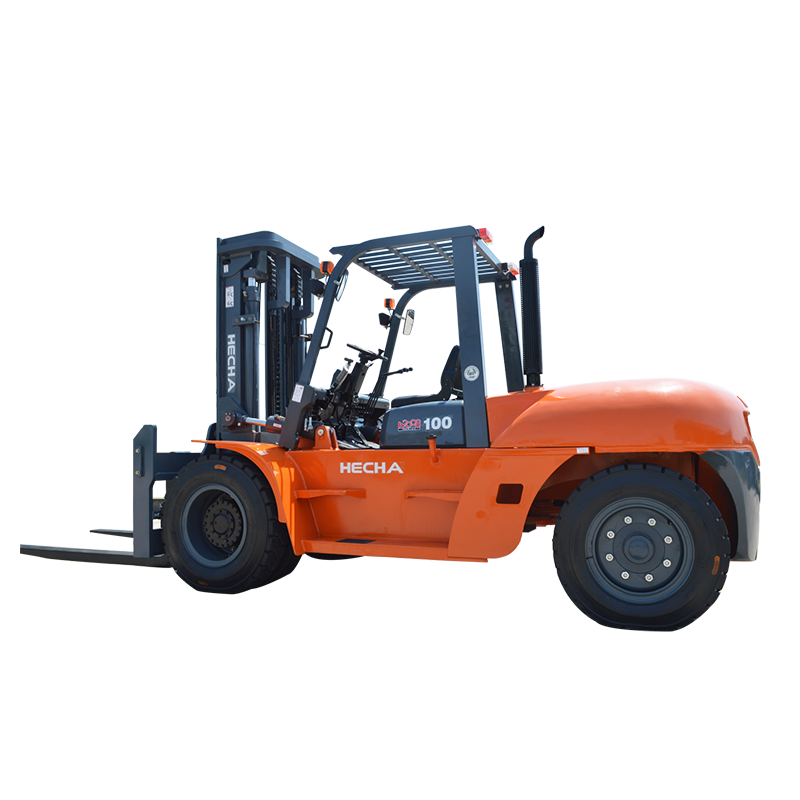
Industrial operations require material handling solutions that deliver relentless power, structural integrity, and long-term economic viability. When managing heavy-duty applications such as ports, lumber yards, construction sites, and heavy manufacturing facilities, the choice of equipment directly dictates operational throughput. Amid various propulsion technologies, the heavy-duty diesel forklift truck remains an irreplaceable asset for demanding environments worldwide.
Heavy-duty material handling involves moving loads that typically exceed 5 tons, often under volatile environmental conditions and across uneven terrains. These scenarios demand high torque at low engine speeds, continuous availability without extended downtime for recharging, and a robust chassis capable of absorbing immense structural stress. This analysis explores the technical architecture, operational realities, and strategic financial factors that make internal combustion diesel-powered machinery the definitive choice for high-capacity industrial applications.
Deconstructing Diesel Engine Specs and Torque Dominance
The primary justification for deploying diesel-powered machinery in high-capacity environments lies within the combustion cycle itself. Unlike spark-ignition internal combustion engines that utilize gasoline or liquid petroleum gas, diesel engines rely on compression ignition. This fundamental thermodynamic difference allows for much higher compression ratios, typically ranging from 15:1 to over 22:1, resulting in superior thermal efficiency and unmatched low-end torque generation.
The Mechanics of High Low-End Torque
In heavy-duty material handling, torque is more critical than peak horsepower. A forklift must generate maximum force when accelerating from a dead stop while carrying a maximum capacity load up an incline. Because diesel fuel possesses a higher energy density than alternative fuels, and because the long-stroke design of industrial diesel cylinders maximizes mechanical leverage on the crankshaft, these engines deliver peak torque at remarkably low rotational speeds.
This specific torque profile prevents engine stalling under sudden hydraulic loads, such as when the operator initiates a rapid tilt or hoist operation while simultaneously maneuvering the vehicle. The steady power delivery ensures smooth lifting transitions, reducing load instability during high-capacity operations.
| Engine Performance Metric | Industrial Diesel Systems | Alternative Power Systems |
|---|---|---|
| Primary Ignition Method | Compression Ignition | Spark / Electrochemical |
| Average Compression Ratio | 17:1 to 20:1 | 10:1 (Gasoline) |
| Peak Torque RPM Range | 1,200 to 1,600 RPM | 2,500 to 4,000 RPM |
| Energy Density of Fuel Source | High (approx. 36.9 MJ/L) | Variable / Lower |
Structural Architecture of High-Capacity Forklift Models
Heavy-duty diesel forklift truck variants are built on heavy industrial chassis designed specifically to handle intense physical stress. The weight of the diesel powertrain itself acts as a natural counterweight, allowing engineers to design a lower center of gravity into the machine. This foundational stability is essential when lifting massive structural steel beams, concrete precasts, or shipping containers to elevated storage heights.
Mast Deflection and Hydraulic Efficiency
At lifting capacities exceeding 10 tons, mast deflection becomes a critical safety and operational variable. Mast deflection is the slight bending of the steel uprights when lifting heavy loads to maximum height. High-capacity diesel units feature heavy-section mast channels, reinforced cross-members, and high-displacement hydraulic pumps driven directly by the engine auxiliary gear train.
Because the diesel engine delivers continuous, high-volume hydraulic fluid flow without draining a battery storage system, it can sustain demanding lifting speeds even during complex attachment operations, such as utilizing side-shifters, fork positioners, or paper roll clamps.
Environmental Resilience and All-Weather Survivability
Heavy industrial yards rarely offer clean, level, climate-controlled working conditions. Instead, they are characterized by mud, gravel, unpaved terrain, steep grades, extreme ambient temperatures, and heavy precipitation. Diesel material handling equipment is engineered from the ground up to operate reliably in these challenging environments.
Traction, Differential Locks, and Ground Clearance
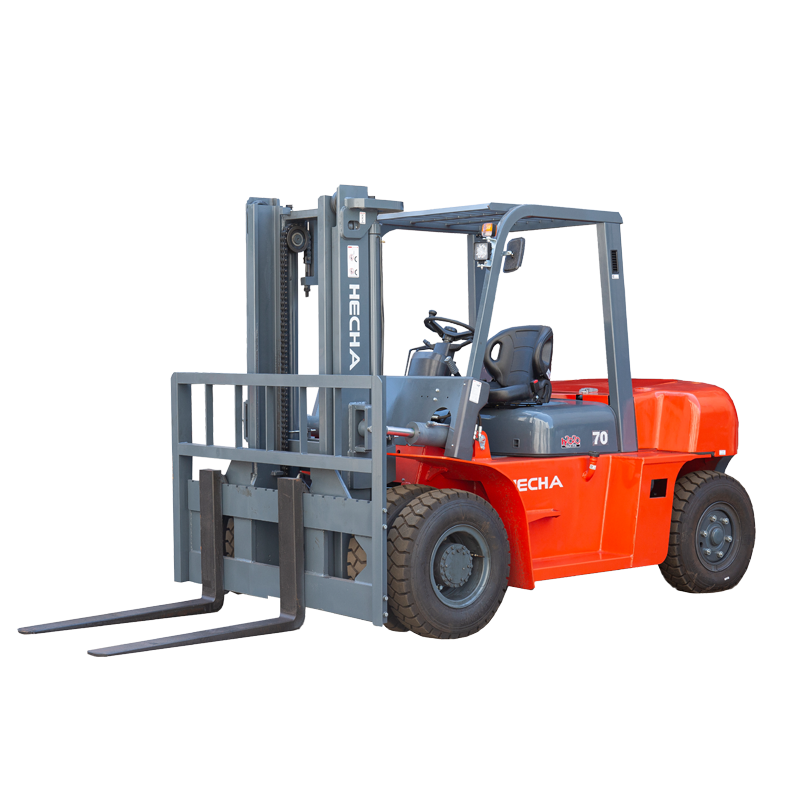
Unlike indoor units that rely on smooth cushion tires, outdoor diesel units utilize large pneumatic tires. These tires feature aggressive tread depths designed to displace mud, loose soil, and gravel, maximizing traction. Furthermore, heavy-duty diesel drive axles are routinely equipped with mechanical or planetary differential locks. When a wheel loses traction on slippery terrain, the operator can engage the differential lock to distribute torque equally to both drive wheels, allowing the vehicle to navigate through challenging ground conditions without losing momentum.
Engineering Note: The high ground clearance inherent to outdoor diesel chassis prevents undercarriage damage from hidden track hazards, railway crossings, or deep ruts common to open-air ports and log yards.
Industrial Fleet Management and Refueling Dynamics
For managers of large-scale industrial fleets, equipment uptime is a primary metric. Every minute a machine sits non-operational represents a direct bottleneck in the logistical chain. Understanding the refueling dynamics and operational readiness of different powertrain types is essential for maintaining efficient workflows.
Eliminating Infrastructure Bottlenecks
Diesel fuel infrastructure is mature, straightforward, and highly decentralized. Refueling a diesel unit requires parking the vehicle at a storage tank or utilizing a mobile fuel tender. The entire process takes less than five minutes, immediately returning the vehicle to active duty with a full runtime capacity. This rapid turnaround is critical for multi-shift operations where machines run continuously for 16 to 24 hours a day.
Alternative systems often require significant infrastructure planning, such as dedicated charging zones, high-voltage electrical grid upgrades, or complex gas storage facilities. Diesel refueling allows logistics operations to scale rapidly or relocate mobile fleets to temporary work sites without complex infrastructural dependencies.
Total Cost of Ownership in High-Stress Environments
While the initial acquisition cost of reliable material handling equipment is significant, savvy fleet managers evaluate assets based on Total Cost of Ownership (TCO). In high-capacity, heavy-duty cycles, the economic calculation favors diesel due to component longevity, maintenance accessibility, and residual asset value.
| Cost Factor | Diesel Forklift Infrastructure | Alternative Fleet Systems |
|---|---|---|
| Initial Capital Expenditure | Moderate to High base vehicle cost | High vehicle cost plus infrastructure investment |
| Refueling Infrastructure Cost | Low (standard bulk tank setup) | High (charging stations or specialized storage) |
| Component Lifespan (Heavy Duty) | Extremely long structural & engine life | Variable powertrain or storage degradation |
| Secondary Market Resale Value | Consistently high global demand | Dependent on technology lifecycle state |
Long-Term Maintenance and Engine Longevity
Industrial diesel engines are low-RPM, heavy-cast machinery built for durability. They lack complex electrical networks or sensitive ignition components that can fail under constant vibration and mechanical stress. Standard maintenance involves straightforward procedures such as changing engine oil, replacing fuel filters, and servicing air intake systems. When properly maintained, an industrial diesel engine can operate for tens of thousands of hours before requiring a major overhaul, providing a reliable and predictable maintenance lifecycle for fleet managers.
Modern Emissions Control and Fuel Efficiency
Modern industrial engineering has significantly transformed the environmental profile of the modern diesel forklift truck. Contemporary diesel engines incorporate sophisticated combustion and exhaust after-treatment technologies to meet strict global emissions regulations without sacrificing power output.
Exhaust After-Treatment Systems
To reduce environmental impact, modern diesel units utilize advanced filtration systems. Diesel Particulate Filters (DPF) capture fine soot and particulate matter, while Selective Catalytic Reduction (SCR) systems inject Diesel Exhaust Fluid (DEF) into the exhaust stream to break down harmful nitrogen oxides into harmless nitrogen and water vapor. These systems ensure that diesel equipment can operate cleanly in open environments and semi-enclosed industrial spaces, such as large covered ports or well-ventilated manufacturing bays.
Frequently Asked Questions
Q1: Why are diesel forklifts preferred over other options for outdoor heavy-duty tasks?
Diesel engines generate significantly higher torque at low engine speeds, providing the consistent power needed to move heavy loads over uneven terrains, steep inclines, and muddy surfaces without stalling.
Q2: How long does it take to refuel a heavy-duty diesel forklift during intensive operations?
Refueling a diesel forklift takes less than five minutes using standard industrial fuel stations or mobile fuel trucks, allowing the machine to return to work immediately without long charging or cooling downtimes.
Q3: Can modern diesel forklifts operate in semi-enclosed industrial spaces safely?
Yes, modern diesel forklifts equipped with advanced emissions control systems, such as Diesel Particulate Filters (DPF) and Selective Catalytic Reduction (SCR), significantly reduce emissions, allowing for safe operation in well-ventilated, semi-enclosed industrial areas.
Q4: What maintenance routines are essential for preserving diesel engine specs over time?
Key maintenance includes regular engine oil and filter changes, routine inspection of fuel filtration systems, timely air filter replacements, and ensuring clean, high-quality diesel exhaust fluid is used in equipped systems.
Q5: How does a diesel forklift maintain a high resale value in the industrial fleet management market?
The structural durability, long-lasting engine design, and widespread global demand for reliable, heavy-duty material handling equipment keep diesel forklifts highly sought after in the secondary equipment market.