English
 中文简体
中文简体 русский
 Français
 Español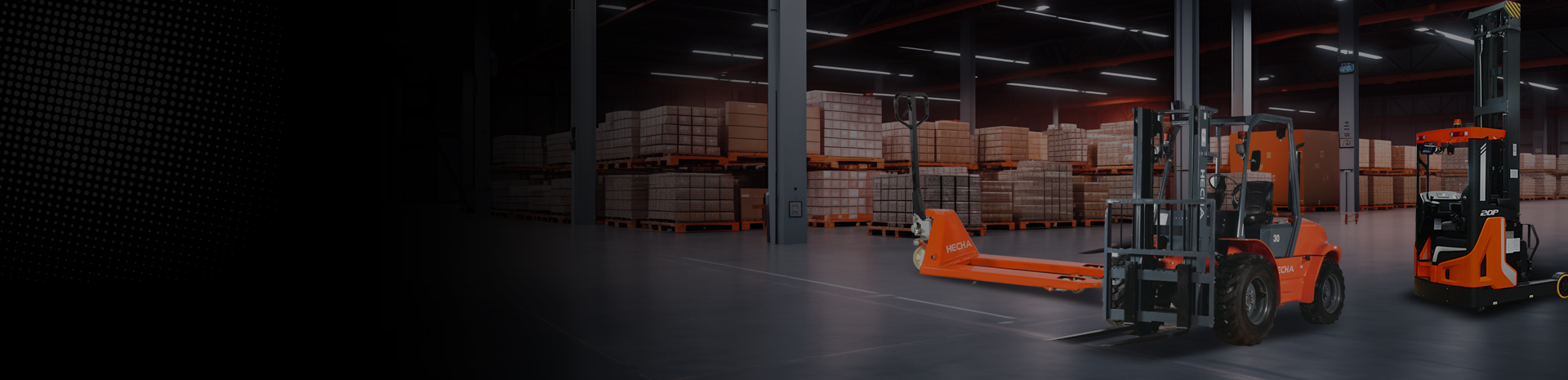

Why Diesel Power Still Dominates Heavy-Duty Material Handling
Outdoor yards, lumber depots, ports, and construction sites share one common demand: raw lifting force that does not fade after a few hours of continuous work. This is where a diesel forklift earns its place on the floor plan. Unlike battery-powered units that lose torque as charge drops, diesel engines maintain consistent output from the first load to the last, which is why operations moving dense, irregular, or oversized freight continue to specify diesel forklift for sale listings over electric alternatives.
This guide breaks down the engineering reasons behind that performance gap, compares capacity classes from light-duty to extreme-tonnage models, and offers a practical framework for matching a machine to real operating conditions rather than spec-sheet assumptions.
What Makes Diesel Forklift Technology Different
The core advantage of an internal combustion forklift pneumatic tire configuration lies in how the engine delivers torque. Diesel combustion produces high compression pressure at low RPM, which translates into strong pulling power the moment a load is engaged, without the gradual power build-up typical of electric motors under heavy draw.
Key Performance Drivers
- Low-end torque: Diesel engines reach peak torque at relatively low engine speed, ideal for lifting from a dead stop on uneven ground.
- Continuous duty cycle: Refueling takes minutes; there is no multi-hour charging downtime between shifts.
- Cold-weather reliability: Diesel powertrains generally start and perform more predictably in low ambient temperatures than lithium or lead-acid battery systems.
- Heat tolerance: Engine cooling systems are built for sustained outdoor operation in high-temperature climates.
Typical Operating Environments
Field data collected across outdoor logistics operations shows diesel-powered units logging significantly higher average daily run hours in yards with loose gravel, sloped ramps, or unpaved surfaces, compared to electric counterparts operating in the same category of terrain. This is largely a function of ground clearance, tire type, and engine cooling design rather than raw horsepower alone.
Diesel vs Electric Forklift: A Practical Comparison
Choosing between a diesel vs electric forklift setup should be based on duty cycle, terrain, and fuel infrastructure rather than upfront cost alone. The table below summarizes the operational trade-offs most fleet managers weigh.
| Factor | Diesel Forklift | Electric Forklift |
|---|---|---|
| Best Terrain | Outdoor, uneven, unpaved | Indoor, smooth flooring |
| Refuel/Recharge Time | 3 to 5 minutes | 1 to 8 hours |
| Peak Torque Delivery | Immediate, low RPM | Gradual under heavy load |
| Cold Weather Start | Reliable with block heater | Reduced battery efficiency |
| Noise Level | Moderate to high | Low |
| Emissions | Present, requires ventilation outdoors | Zero at point of use |
| Typical Capacity Range | 1.5 to 10+ tons | 1 to 5 tons (most models) |
Field observation: Sites running mixed fleets often reserve diesel units exclusively for outdoor yard moves and reserve electric units for enclosed warehouse aisles, using terrain rather than cost as the primary allocation rule.
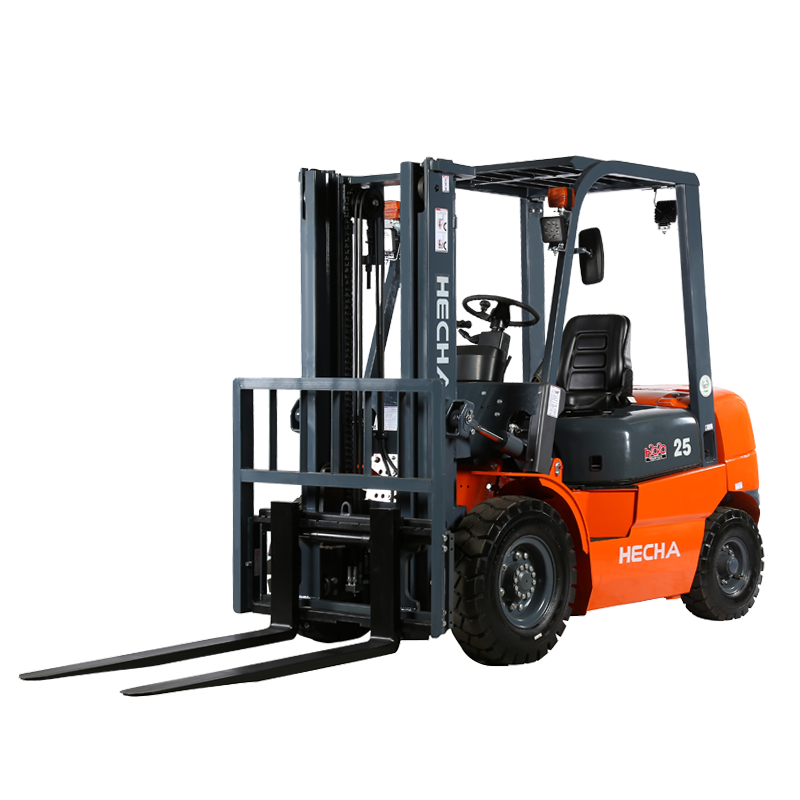
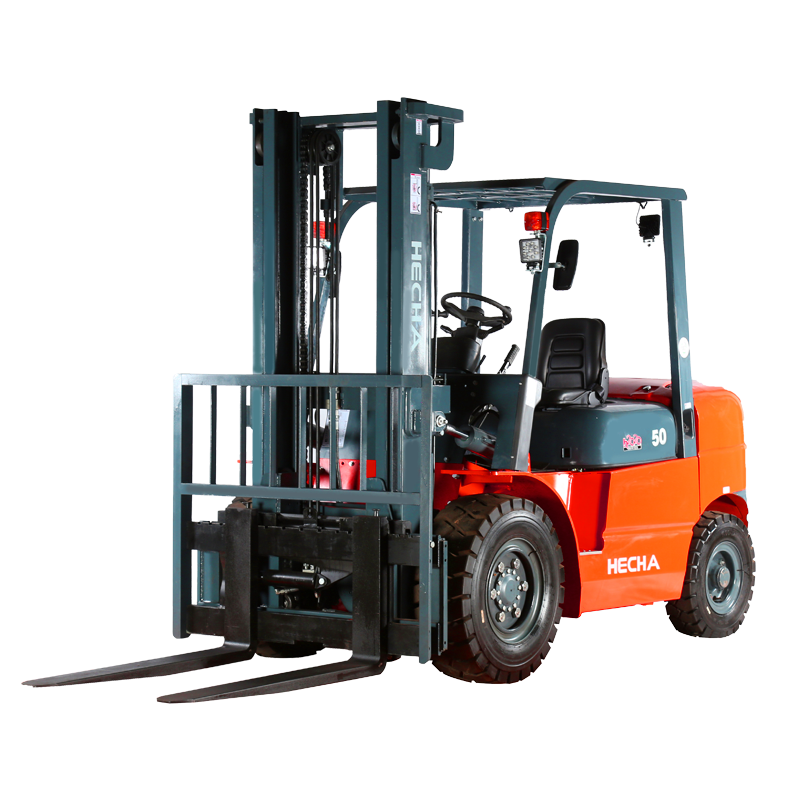
Matching Capacity to Load: The 1.5-5ton Diesel Forklift Class
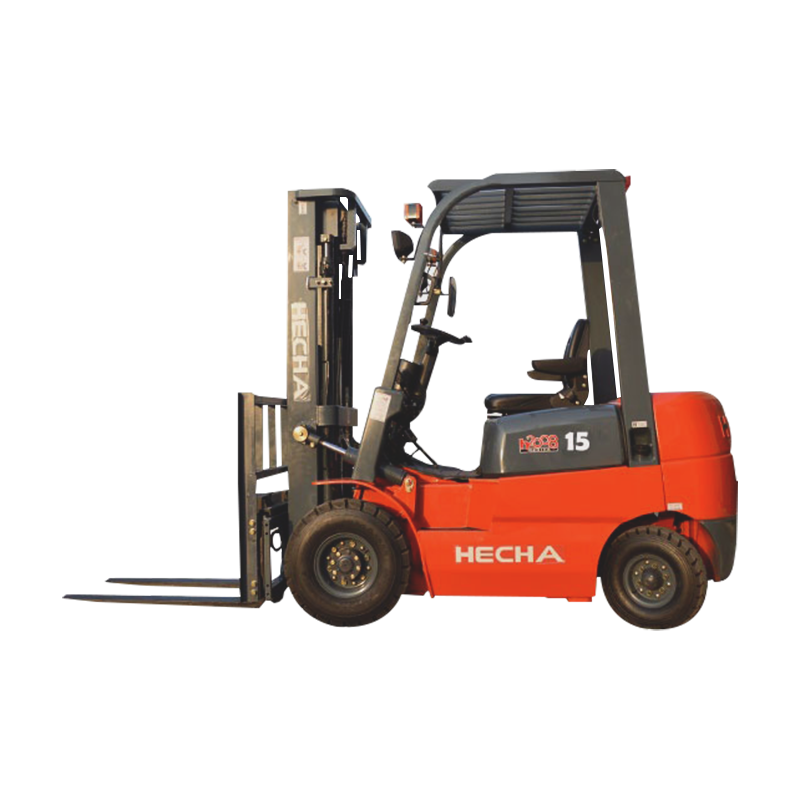
For general warehousing, container yard support, and mid-weight pallet handling, a 1.5-5ton Diesel Forklift covers the widest share of real-world lifting tasks. This class balances maneuverability with enough reserve capacity to handle occasional overweight pallets without derating performance.
Where This Class Fits Best
- General distribution centers moving standard pallet loads
- Retail and wholesale backroom logistics
- Light manufacturing input and output staging
- Mixed indoor-outdoor loading dock operations
Operators frequently cite fork positioning speed and turning radius as the deciding factors within this class, since most tasks involve repeated short-distance moves rather than long hauls at maximum load.
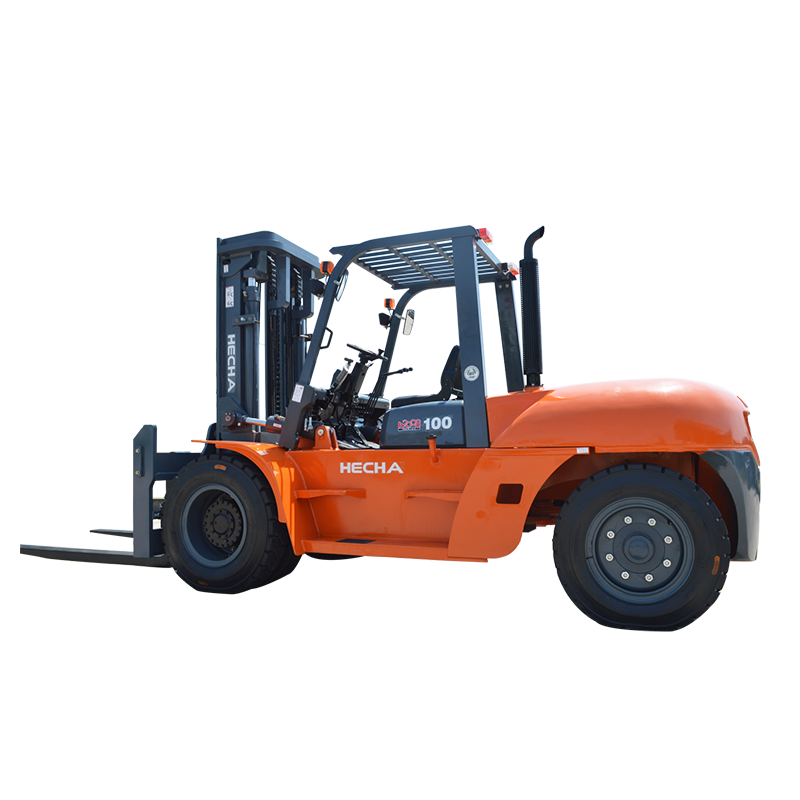
Scaling Up: When You Need a 5-10ton Heavy Duty Forklift
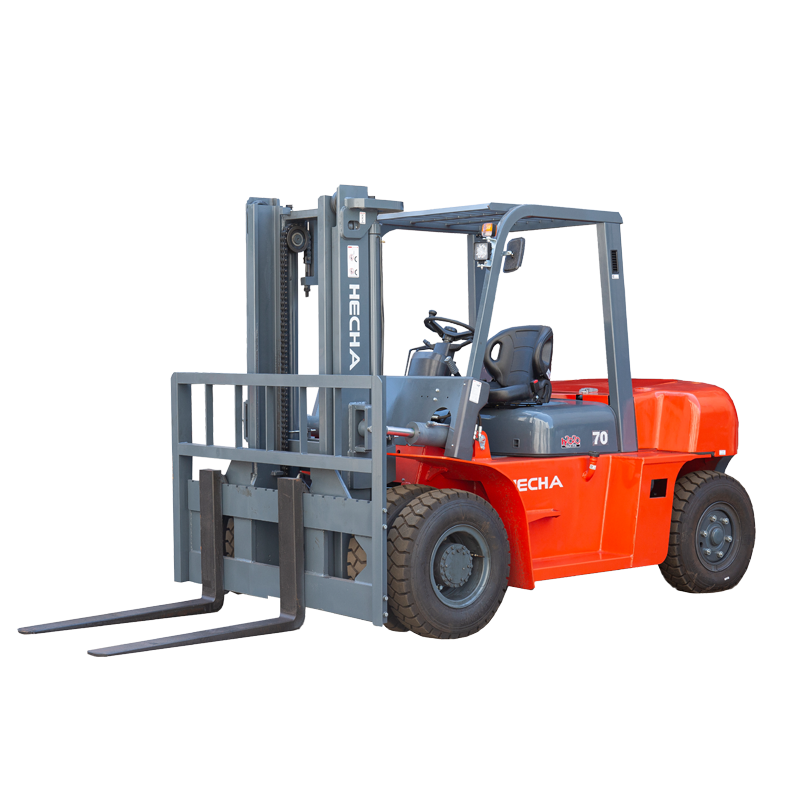
Steel coil handling, precast concrete, shipping container repositioning, and heavy machinery loading push standard forklifts past their limits. A 5-10ton Heavy Duty Forklift is built around a reinforced chassis, wider wheelbase, and higher-output engine to keep the load center stable at extended lift heights.
Engineering Considerations at High Tonnage
| Factor | Why It Matters |
|---|---|
| Counterweight Ratio | Prevents tip-forward risk at maximum rated load |
| Axle Load Rating | Distributes weight across reinforced front axles |
| Mast Strength | Resists lateral flex under off-center loads |
| Braking System | Handles higher stopping mass on inclines |
Facilities running this tonnage class typically report that undersized equipment substitution, using a lower-capacity unit at or near its limit repeatedly, is one of the leading contributors to premature hydraulic and drivetrain wear. Matching rated capacity to actual average load, not just peak load, extends service life measurably.
Pneumatic Tire Design and Outdoor Traction
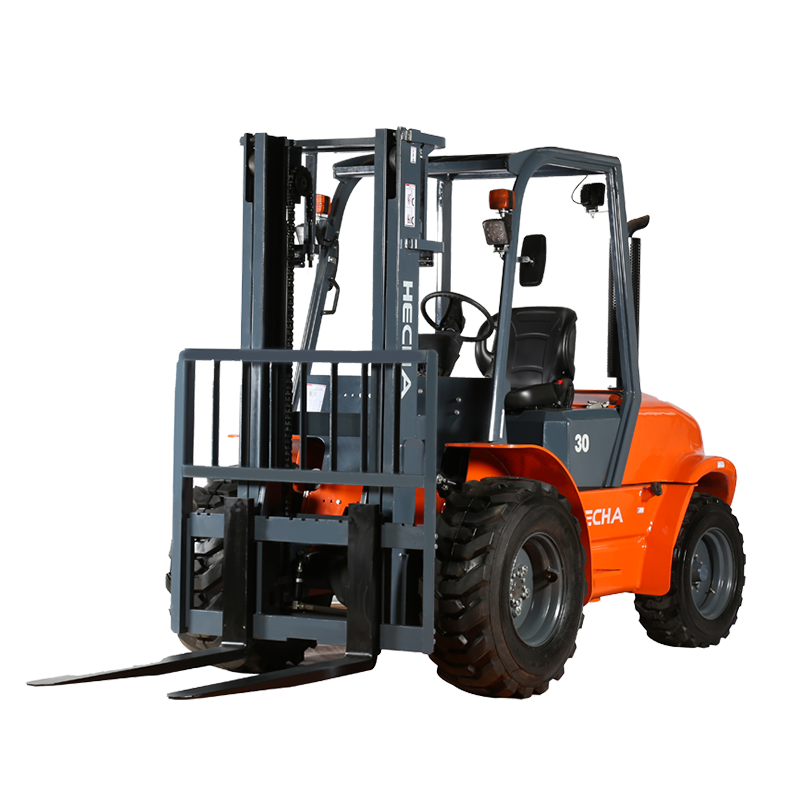
A pneumatic tire forklift configuration uses air-filled rubber tires similar in principle to truck tires, offering better shock absorption and traction on gravel, dirt, and uneven pavement than solid cushion tires common on indoor electric models.
Advantages of Pneumatic Tires in Heavy Duty Applications
- Improved grip on loose or wet outdoor surfaces
- Reduced operator fatigue from vibration dampening
- Longer stable footprint under heavy, uneven loads
- Better ground clearance for debris and small obstacles
Because ic pneumatic forklifts are engineered around this tire type from the chassis up, suspension geometry and axle spacing are tuned specifically for outdoor stability rather than adapted from an indoor platform.
Lifecycle Cost and Maintenance Planning
Total cost of ownership for industrial diesel engines depends heavily on maintenance discipline rather than engine choice alone. The data points below reflect commonly observed intervals across outdoor fleet operations.
250 hrs
Typical engine oil and filter change interval under moderate duty
500 hrs
Hydraulic fluid inspection and top-up checkpoint
1000 hrs
Full drivetrain and mast inspection milestone
Maintenance Priorities by Component
- Engine cooling system: Radiator debris buildup is a leading cause of overheating in dusty yard environments
- Hydraulic seals: Exposure to grit accelerates wear faster than exposure to moisture alone
- Tire pressure: Underinflated pneumatic tires increase fuel consumption and reduce load stability
A Simple Framework for Selecting the Right Forklift Class
Use the flow below to narrow down a capacity class before comparing individual specifications.
Load weight and terrain typically narrow the decision to one of the two capacity classes above; lift height and aisle width then determine the specific model configuration within that class.
Frequently Asked Questions
Q1: What is the main advantage of a diesel forklift over an electric model?
Diesel forklifts deliver consistent torque regardless of run time and refuel in minutes, making them better suited to continuous outdoor operation than battery-powered units that lose performance as charge depletes.
Q2: How do I know if I need a 1.5-5ton or 5-10ton model?
Base the decision on your average load weight rather than occasional peak loads. If most loads exceed 5 tons or involve dense materials like steel or concrete, a heavy duty class is the safer long-term choice.
Q3: Are pneumatic tire forklifts only useful outdoors?
Pneumatic tires perform best on uneven or unpaved surfaces, but they can also operate on smooth indoor flooring, though solid cushion tires remain more common for purely indoor fleets.
Q4: How often should engine maintenance be scheduled on a diesel forklift?
Oil and filter changes are commonly scheduled around every 250 operating hours, with hydraulic and drivetrain inspections following at longer intervals, though exact schedules depend on duty cycle and operating environment.
Q5: Does diesel forklift capacity affect fuel efficiency?
Higher capacity engines generally consume more fuel per hour, but running an undersized forklift near its maximum limit repeatedly often reduces efficiency further due to added engine strain and shortened service intervals.