English
 中文简体
中文简体 русский
 Français
 Español

On a Tuesday morning, a warehouse supervisor in Ohio reviewed the training records for twelve operators and discovered that six certificates were set to expire within the next four weeks. That is a familiar situation for many facilities: certification expiry is not just a paperwork problem. It affects productivity, compliance, and liability.
Under OSHA, a forklift certification can be valid for up to three years, but it does not have to be good that long. Several events can shorten that window immediately.
OSHA sets a three-year maximum, not a fixed rule
OSHA does not say that every forklift certification must be renewed exactly every three years. It says the employer must ensure each operator is evaluated and authorized to operate. In practice, the three-year interval has become the industry benchmark because many companies use it as their standard review cycle.
That three-year window is really a maximum. Some employers set a two-year cycle because they see higher risk in their facility. Others review annually. The key is that the employer must be able to demonstrate that every operator has been evaluated within a reasonable period, and the three-year figure is the outer limit most safety teams accept.
Many safety managers ask whether they need to keep a physical training certificate on file. OSHA does not require a specific form, but it does require documentation of the operator’s performance evaluation. This usually includes the operator’s name, the date of evaluation, the type of equipment evaluated, and the name of the evaluator. Without that documentation, a three-year card is not enough to prove compliance.
Do not confuse a training certificate with an operator evaluation record. A certificate may have no printed expiration date, but that does not mean the operator is authorized to continue driving indefinitely.
Five triggers that can shorten your certification window
Even if the three years has not elapsed, OSHA lists situations where a forklift operator must be re-evaluated and recertified. These triggers are often missed because they seem like everyday events. Here is a simple table to help you spot them.
| Trigger | Why it matters | Example |
|---|---|---|
| Unsafe operation observed | Shows a gap in knowledge or bad habits | Driving too fast in a narrow aisle |
| Involvement in an accident or near miss | Identifies a possible cause and corrective need | Hitting a racking frame in a warehouse |
| Violation of operating rules | Signals a need for retraining | Carrying an overload or ignoring a load limit |
| Change in equipment type | Different controls and handling characteristics | Moving from a counterbalance to a reach truck |
| Change in workplace conditions | New terrain, layout, or hazards | Moving from a smooth dock to an outdoor yard |
The word trigger is useful because it describes an event that should result in a new evaluation, not simply a note in the file. For example, if an operator is observed operating with a damaged fork or ignoring a load limit, the immediate response is to stop the operator and repeat the safety rules before allowing them back on the machine.
If any of these situations occur, the operator’s previous certification is no longer sufficient. The employer must schedule a new evaluation and issue a fresh authorization before the operator returns to work.
How to recertify before the three-year mark
Recertification is not a single training course. It includes a classroom or online segment plus a hands-on skills evaluation. The practical part is where most operators need the most help, especially if the evaluation happens on equipment they do not use daily.
For example, a warehouse that operates a 2.0 to 3.5 ton lithium forklift needs an evaluator familiar with its battery cooling system and regenerative braking behavior. A facility using a reach truck in narrow aisles will test different skills than one using a counterbalance truck. This is why employers often schedule recertification 30 to 60 days before the expiration date to avoid losing trained operators to everyday workload.
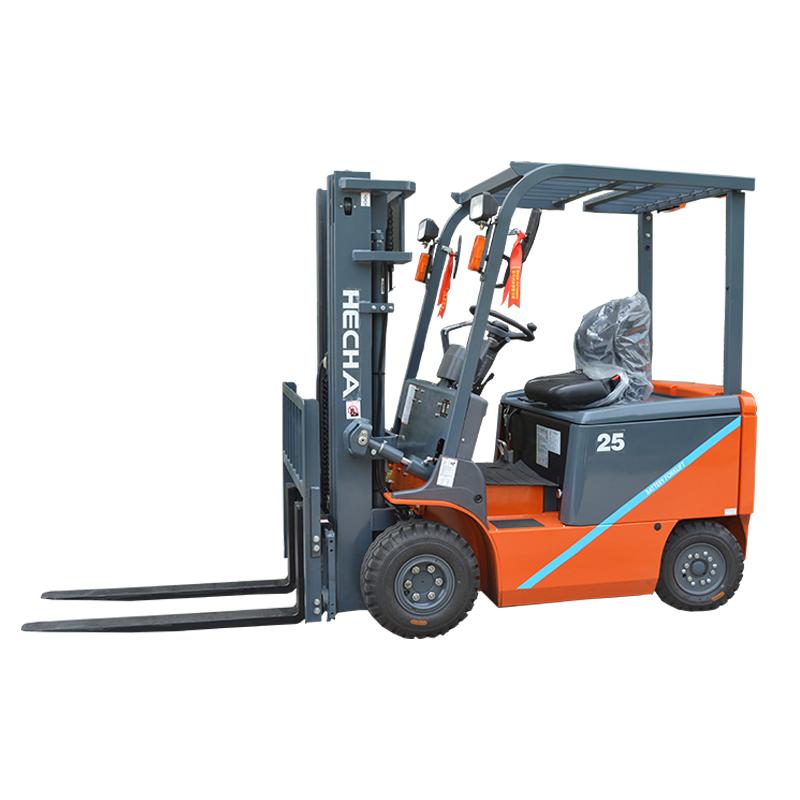 2-3.5 Ton Lithium Electric Forklift with Fast Charging and Low MaintenanceThis lithium-ion forklift offers zero emissions and quiet operation, making it suitable for indoor use. Its long battery life and quick charging reduce downtime, while the compact mast enhances visibility for safer load handling in tight spaces.View Product →
The evaluator should check several specific skills: pre-shift inspection, load handling, steering, parking, and shutdown procedures. The evaluator should also verify that the operator understands the limitations of the specific machine model, including rated capacity and mast height. These details matter because a small change in truck type can change the operating envelope.
Regional differences: United States vs. the United Kingdom
This is where the confusion about expiry dates often begins. In the United States, the three-year rule has become accepted practice because of OSHA. In the United Kingdom, the Health and Safety Executive’s Approved Code of Practice does not set a fixed expiry date. Instead, it recommends that employers review operator competence at intervals determined by risk assessment.
That does not mean UK operators are certified once and never reviewed. It means the certificate itself has no printed expiration, but the employer must still carry out refresher training when the operator demonstrates a safety issue or after long periods without operating. Two different regulatory frameworks can produce two very different answers to the same question, which is why the answer to how long a forklift certification lasts is not a one-size-fits-all issue.
In some other countries, the certification card may be issued by an association or training provider and is considered valid indefinitely. The practical approach for a multinational company is to apply the stricter of the two standards: treat the three-year interval as a baseline and add additional evaluations when the local regulator or internal policy requires it.
Why waiting until the last minute is risky
Letting a certificate lapse causes more than a scheduling headache. If an operator runs an expired certification, the employer can face an OSHA citation, and any accident that occurs during that window carries added legal exposure. The cost of a single non-compliance finding often exceeds the cost of a refresher course by a wide margin.
Far too often, a downtime event leads to someone filling in from a different part of the facility. A diesel operator placed on a 1.5 to 3.5 ton LPG forklift should not be considered certified just because the certificate is valid. That kind of equipment change is exactly the trigger that should require a fresh evaluation before the three-year limit.
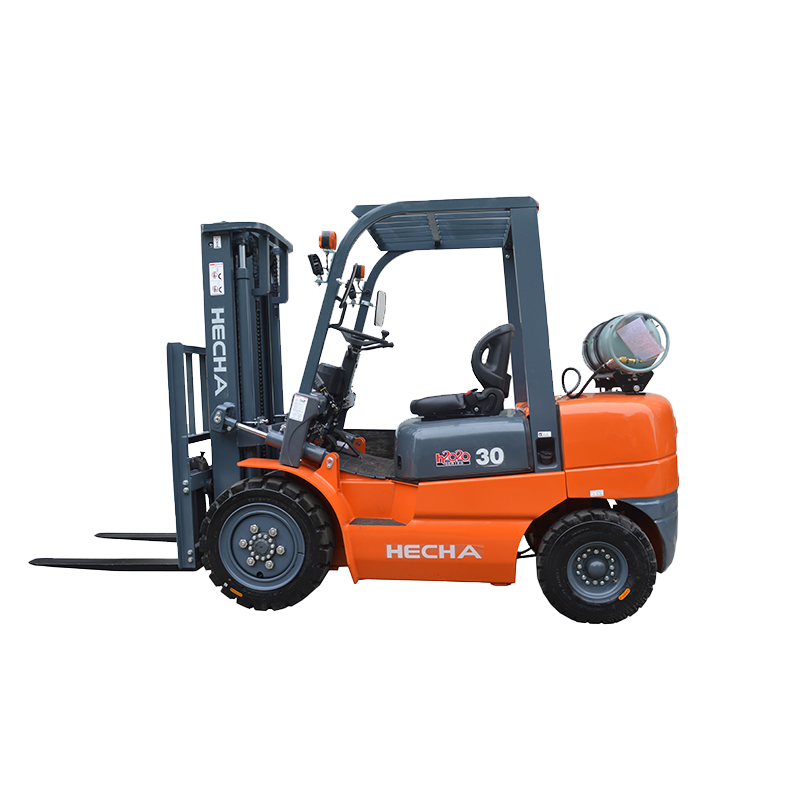 1.5-3.5 Ton Dual-Fuel LPG Forklift for Flexible Indoor and Outdoor UsePowered by LPG or gasoline, this forklift provides reliable performance in cold environments and lower emissions. Its ergonomic cabin and powerful engine ensure comfort and efficiency, making it a practical choice when operators need to switch fuel types.View Product →
If a worker leaves the company and returns, an expired certificate is no different from no certificate. Treat each assignment as a new evaluation decision, not as a continuation of the previous relationship.
Forklift certification renewal FAQs
Q1: Can I renew my forklift certification before it expires?
Yes. Many employers schedule recertification 30 to 60 days before the expiration date to avoid downtime. Renewal before the expiry is considered best practice and does not cause the new certification to be invalid.
Q2: Does an online certification count for OSHA?
Online courses can cover the theory and regulatory knowledge. However, OSHA also requires a hands-on skills evaluation and a performance evaluation by a qualified instructor or designated trainer. An online certificate alone is not sufficient.
Q3: What happens if I operate a forklift with an expired certificate?
The employer is responsible for the violation and may face OSHA penalties. The operator may also face company discipline, reassignment, or termination depending on internal policy.
Q4: Is a forklift certification valid after leaving a job?
A certificate may technically remain in force, but a new employer must evaluate your performance before you operate equipment. Many facilities require a fresh assessment even if the old certificate is still within the three-year window.
Q5: How long does a forklift certification last after renewal training?
The renewed certificate is normally valid for another three years from the date of the new evaluation, unless a trigger occurs earlier. Some employers choose a two-year cycle, in which case the renewed certificate is valid for that shorter period.
Keep certification current and equipment up to standard
Forklift certification is part of a broader safety system. When a certificate lapses, operators and site managers lose sight of whether the equipment being operated matches the skills they have. Understanding the differences between machine types helps identify training gaps early. If you want a practical reference on how forklift type affects operator requirements, you can compare our electric vs. diesel forklift analysis.
Operator training is one part of the safety loop. The other part is the machine itself. If you maintain a lift truck through regular service, the operator can focus on the job rather than compensating for mechanical problems. Equipment in good condition also makes the practical evaluation more meaningful, because the operator’s performance will be judged against a machine that behaves as it should.
At the end of the day, a certification date on a card is only as useful as the competence it represents. Review your triggers, schedule recertification before the deadline, and make sure the equipment on the floor is the equipment the operator was trained on. A valid certification is not just a rule. It is the last line of defense between a routine shift and a costly incident.