English
 中文简体
中文简体 русский
 Français
 Español

If you are planning a warehouse onboarding schedule, the direct answer is that forklift training usually takes 1 to 5 days. A typical new operator finishes the classroom and hands-on portions in about 6 to 8 hours, then completes a skills evaluation. Renewal training is faster, usually 2 to 8 hours.
The reason the timeframe varies is that training length depends on operator experience, the type of forklift, your training format, and whether this is initial certification or a refresher. When a warehouse manager knows this before planning a training block, the whole process feels predictable instead of invasive.
The fastest way to plan forklift training is to assume 1 to 2 days for a complete beginner and assess from there. Renewals are almost always half a day or less.
What Does Standard Forklift Training Look Like?
Standard training follows a predictable two-step path: classroom instruction first, then a hands-on evaluation. Formal classroom work usually takes 4 to 6 hours, including safety rules, load capacity principles, and practical forklift inspection checks. After that, a trainee spends 1 to 2 hours driving the machine under supervision and completes a final skills test.
Some sites compress everything into one busy day. Others split the training across a week, with 1 or 2 hours each day. Employers should check the certification standard that applies to their location, because the maximum hours are not the same in every country.
What Affects How Long Forklift Training Takes?
Forklift training duration is not a fixed number. The main variables are below.
Experience Operator Experience Level
A complete beginner needs more time to absorb safety rules, steering habits, and load center math. An experienced operator moving to a different forklift class can sometimes skip straight to a short orientation and evaluation.
| Operator background | Typical classroom | Hands-on practice | Total duration |
|---|---|---|---|
| No experience | 4-6 hours | 2-3 hours | 1-2 days |
| Experienced operator | 2-3 hours | 1-2 hours | Same day |
| Refresher | 2 hours | 1 hour | Half day |
Equipment Forklift Type
A counterbalance forklift with a heavy load cycle is harder to master than a small electric pallet truck. Training providers usually recommend extra hours for larger internal combustion lift trucks, while powered pallet trucks and stackers take less time.
Format In-Person vs. Online
Online theoretical modules can shorten the classroom portion, but they do not cover the required hands-on evaluation. If your local rule allows remote theory, the overall duration can shrink by a few hours. The hands-on test still must happen on site.
Certification Initial vs. Renewal
Renewal training is built around refresher topics and a quick practical check. It rarely takes more than half a day, while initial certification usually needs 1 to 2 days when forklift type and site conditions are factored in.
Forklift Type and the Real Learning Curve
Reading about training hours is useful, but the machine you choose changes how fast an operator reaches a comfortable, safe pace. This is especially true for warehouse managers who are also choosing equipment.
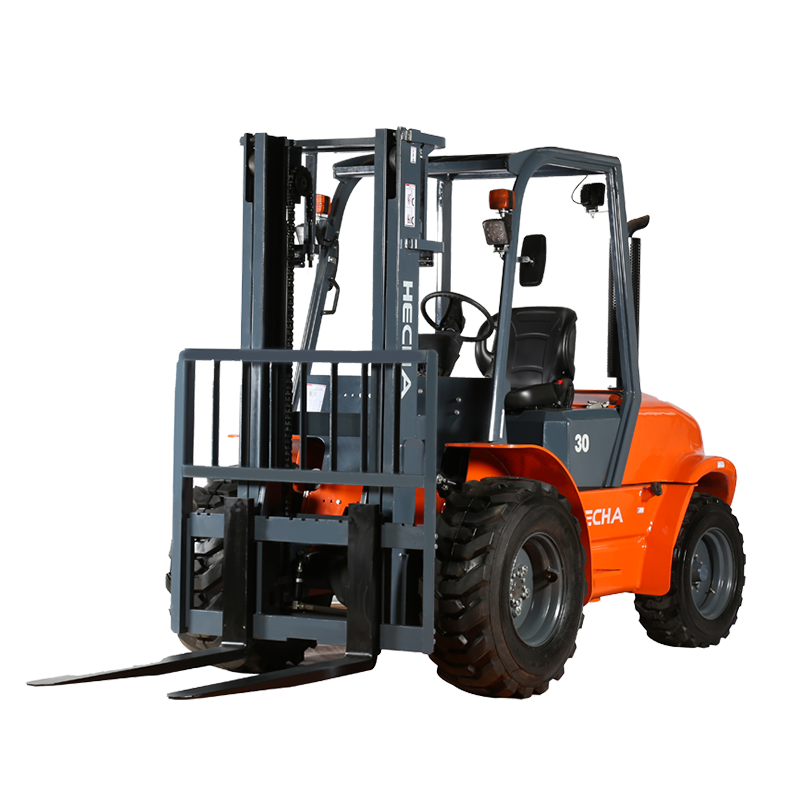
Diesel forklifts with manual transmissions and heavy loads demand the longest learning curve. Operators must coordinate gear shifts, mast tilt, and load awareness in a compartment with more vibration and noise. If your site relies on a rugged outdoor yard, expect longer practice time on a machine like a 2.0-3.8 ton diesel forklift before an operator can be productive.
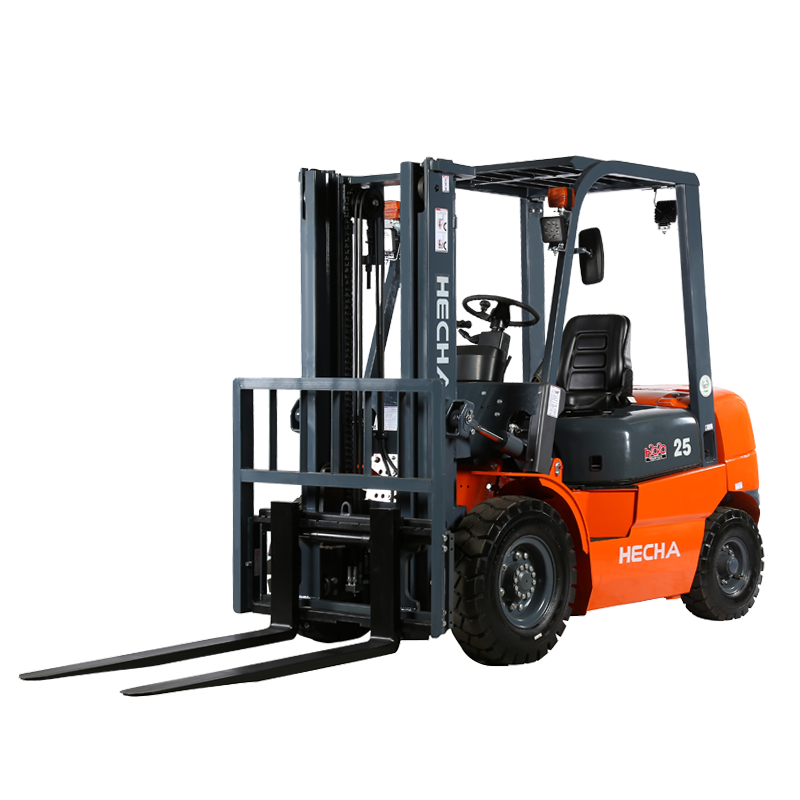 Diesel Forklift for Outdoor Yard OperationsThis 2.0-3.8 ton diesel forklift offers rugged performance for heavy outdoor tasks. Its manual transmission and load handling require a longer learning curve, making it suitable for experienced operators in demanding environments.View Product →
Lithium electric forklifts are often quicker to learn because their controls are simpler, acceleration is smooth, and there is no gear shifting. The main focus is on battery awareness and braking distances, which a beginner can pick up during a normal first-day session. A 2-3.5 ton lithium electric forklift is a common choice for indoor high-throughput sites where employee onboarding speed matters.
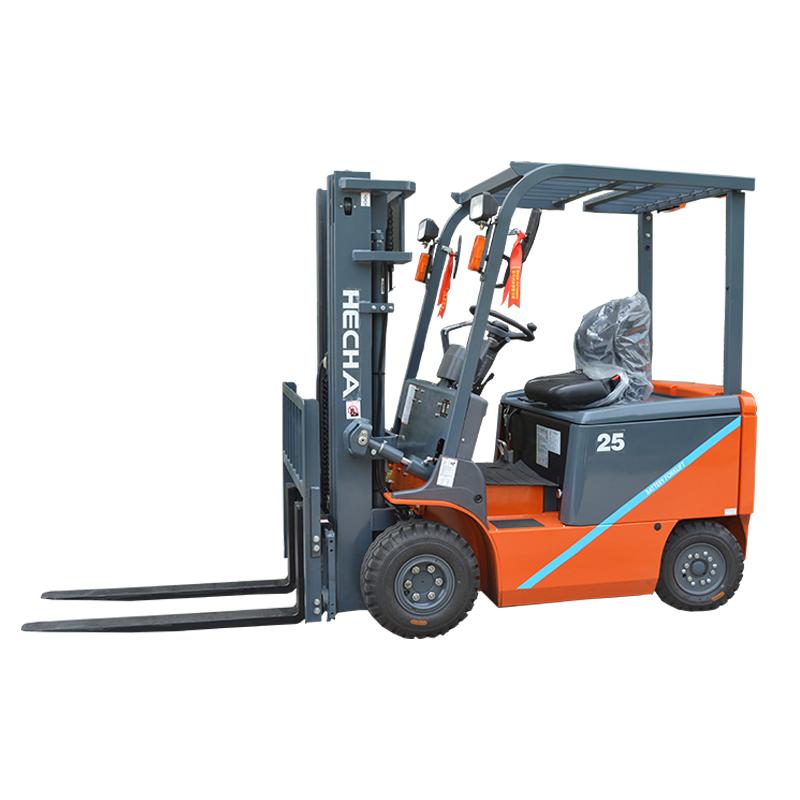 Lithium Electric Forklift for Indoor EfficiencyA 2-3.5 ton lithium electric forklift provides zero emissions and quick charging, ideal for indoor high-throughput sites. Its intuitive controls and smooth acceleration reduce training time, making it a practical choice for fast-paced warehouses.View Product →
Warehouse equipment such as electric stackers and reach trucks has a short and practical training curve. The controls are close to the operator, visibility is direct, and the load is usually palletized. A 1-5 t electric stacker rider can feel intuitive after one guided afternoon. That means less training time without compromising safety on the warehouse floor.
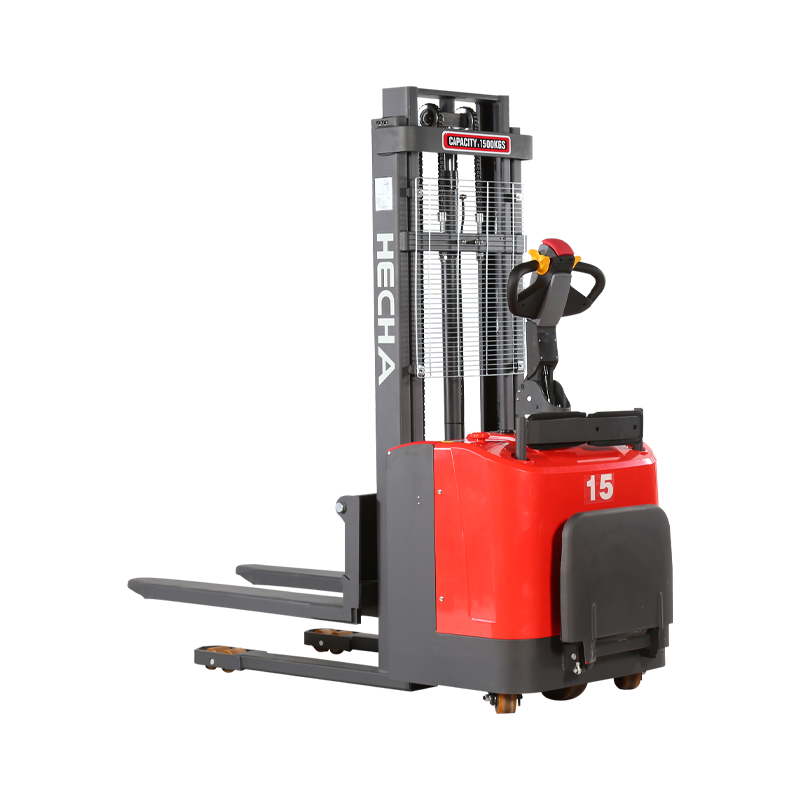 Stand-on Electric Stacker for Small WarehousesThis stand-on electric stacker is designed for small warehouses with lifting heights up to 6 meters. Its compact maneuverability and ergonomic controls make it easy to learn, offering a practical solution for pallet handling with minimal training.View Product →
Choosing a forklift type that matches the actual driving environment is therefore a real planning decision. When you read about electric vs diesel forklifts, the comparison is not only about energy and cost—it also affects how many hours your team needs to invest in training.
Certification Duration, Refresher Training, and Equipment Care
A forklift certificate is not permanent. In the US, OSHA expects employers to evaluate operator performance every 3 years, while Canadian rules tend to follow a 3-year renewal cycle as well. Refresher training can be triggered sooner after an accident, a near miss, or a written evaluation failure.
Employers often schedule refresher training as a half-day block. It should be short but not rushed: quick theory review, a check of operators' knowledge of the new machine, and a supervised practical run. Skipping this step can quickly turn a so-called experienced operator into a liability, because every forklift model handles differently.
Once the training is complete, equipment care becomes the next day-to-day concern. A well-trained operator who also follows regular forklift maintenance helps avoid unplanned downtime and expensive repairs. The connection is straightforward: proper inspection habits learned in training reduce the number of breakdowns and the need for emergency service.
Frequently Asked Questions
Q1: How long does forklift training take for a beginner?
Most beginners finish initial certification in 1 to 2 days. The full course includes classwork, a hands-on drive, and the final evaluation. If the training provider schedules it as one continuous block, a single long day is common.
Q2: Can I get a forklift certificate in one day?
Yes. Many programs compress all required training and evaluation into a single day, typically around 6 to 8 hours. A one-day format still requires the same core material and practical test; it just reduces breaks and spread over multiple days.
Q3: Is online forklift certification faster than in-person training?
Online theory can be shorter, but it cannot replace the required hands-on evaluation. A hybrid plan might cut the theory portion down to a few hours, adding one on-site practical session and bringing the total close to 4 to 6 hours.
Q4: How often do forklift operators need refresher training?
Most standards call for a refresher every 3 years. It should also be scheduled after any incident, after a near miss, or if a supervisor observes unsafe operation. Refresher sessions usually take between 2 and 4 hours.
Q5: How long does a forklift trainer or supervisor course take?
Train-the-trainer programs are longer, usually 2 to 4 days, because they include adult teaching techniques, coaching, and how to run a legally compliant evaluation. This is not the same as a basic operator license.
The best-time estimate for forklift training is 1 to 5 days, with actual driving practice taking 4 to 8 hours. The number changes with the operator's background, the type of equipment, and whether it is an initial or refresher certification. For a warehouse manager, the key is to plan training by forklift type: a heavy diesel machine needs more time, while a lithium electric or electric stacker can bring a new operator up to speed faster.