English
 中文简体
中文简体 русский
 Français
 Español

Not all forklift trucks are created equal. A machine that excels on a smooth warehouse floor may struggle on a gravel construction site, while a powerful outdoor workhorse could be entirely unsuitable for narrow indoor aisles. Understanding the nuanced differences between the primary types of material handling equipment is not just a matter of convenience; it directly impacts operational efficiency, safety, and the total cost of ownership.
This guide provides a comprehensive technical comparison of the four main categories of counterbalance lift trucks: Rough Terrain Forklift, LPG Forklift, Electric Forklift, and Diesel Forklift. We will analyze their specific use cases, performance metrics, and economic implications to help you navigate the complexities of forklift classification and make a data-driven decision.
Forklift Types at a Glance
Before diving deep, here is a high-level comparison of the four core different types of forklift trucks based on their primary operational environments and power sources.
| Feature | Electric Forklift | Diesel Forklift | LPG Forklift | Rough Terrain Forklift |
|---|---|---|---|---|
| Primary Use | Indoor Warehousing | Heavy Outdoor | Mixed Indoor/Outdoor | Construction Sites |
| Emissions | Zero (Indoor Safe) | High (Outdoor Only) | Low (Good Ventilation) | High (Outdoor Only) |
| Noise Level | Low (Quiet) | High (Loud) | Medium | High (Loud) |
| Fuel/Energy Cost | Low (Electricity) | Medium (Diesel) | Medium (Gas) | Medium (Diesel) |
| Maintenance Complexity | Low (Fewer moving parts) | High (Engine & Drivetrain) | Medium (Engine & Fuel system) | High (Engine & Drivetrain) |
Understanding the Core Types of Forklift Trucks
Selecting the right industrial lift truck types begins with a clear understanding of how each machine is engineered for its environment. Here is a detailed analysis of the four primary types.
1. Electric Forklift Trucks: The Indoor Standard
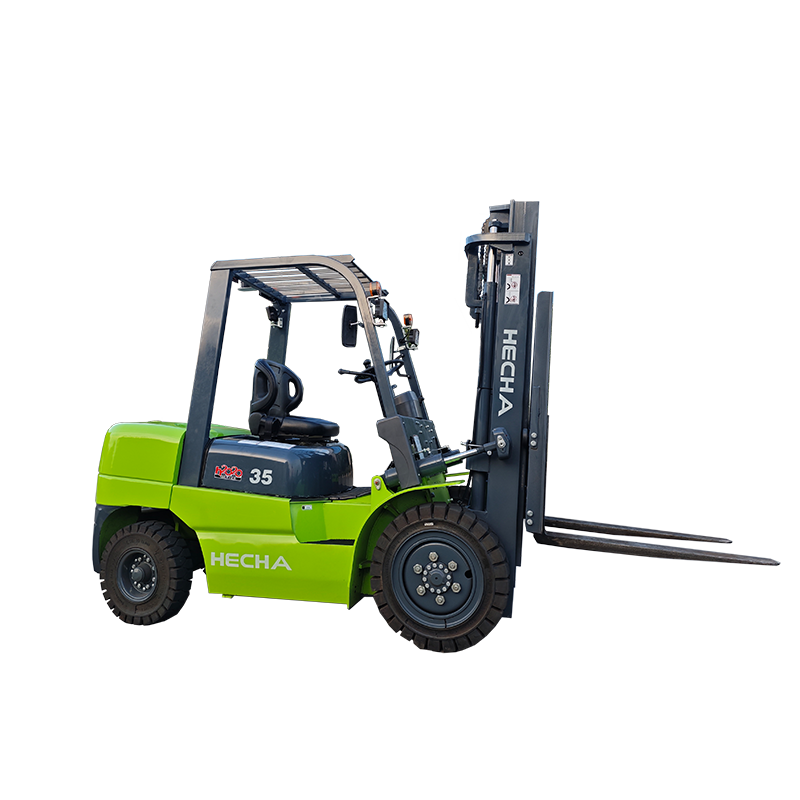
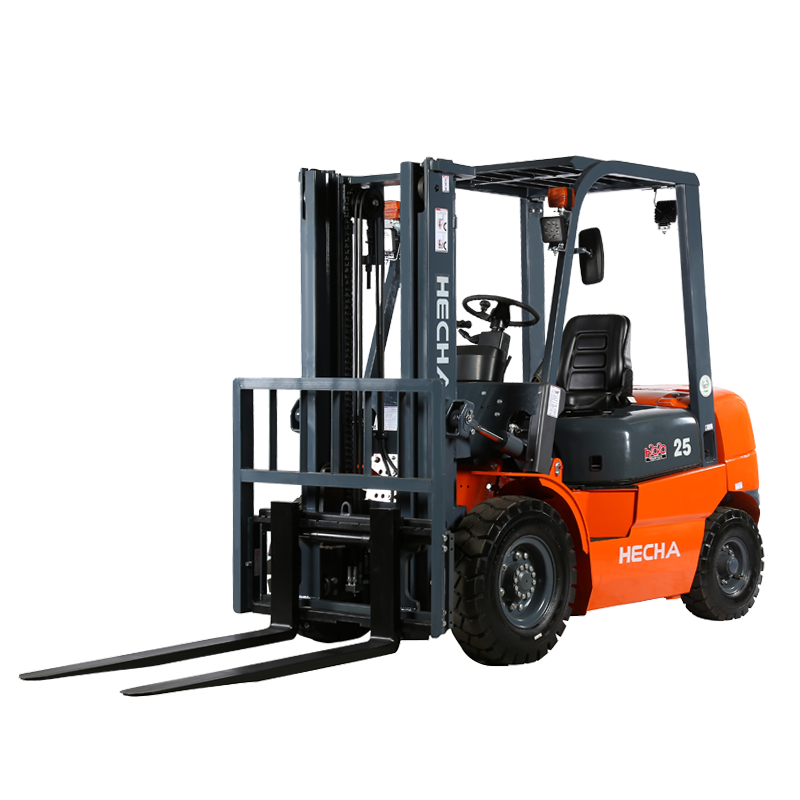
Classified as Class I (Electric Rider Trucks) and Class II (Narrow Aisle) trucks in the standard forklift classification system, electric forklifts are the backbone of modern warehousing. They are powered by industrial batteries, which often serve as a counterweight, eliminating the need for a separate heavy rear mass.
- Ideal Applications: Indoor warehouses, distribution centers, cold storage, and retail environments where air quality is a priority.
- Key Advantages: Zero tailpipe emissions, significantly quieter operation, and lower overall maintenance costs due to fewer moving parts compared to internal combustion engines.
- Performance Note: Modern lithium-ion battery options have alleviated previous concerns about runtime and charging, making them viable for multi-shift operations with opportunity charging.
2. Diesel Forklift Trucks: The Outdoor Workhorse
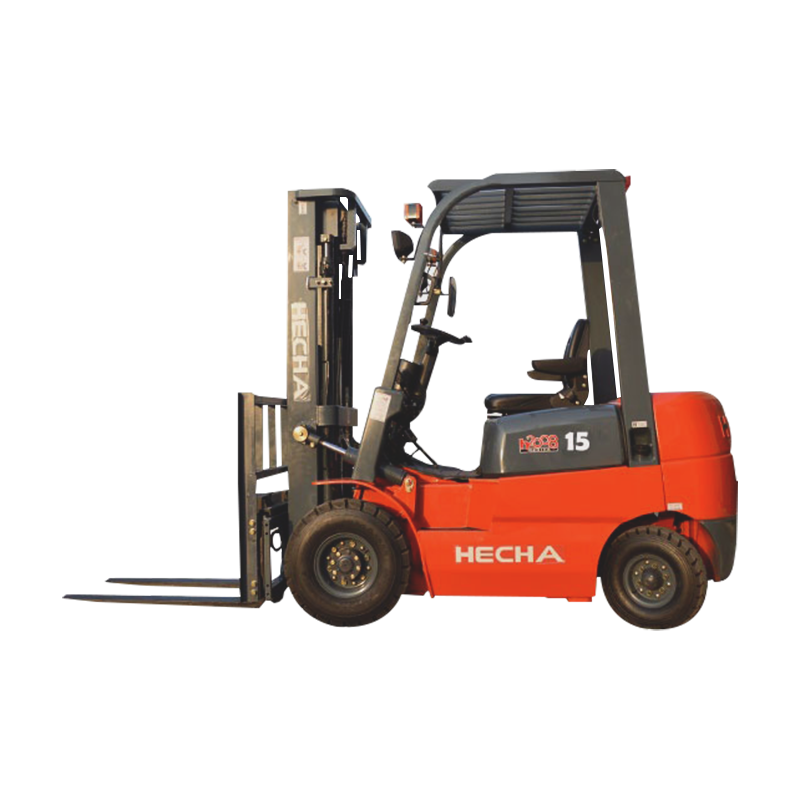
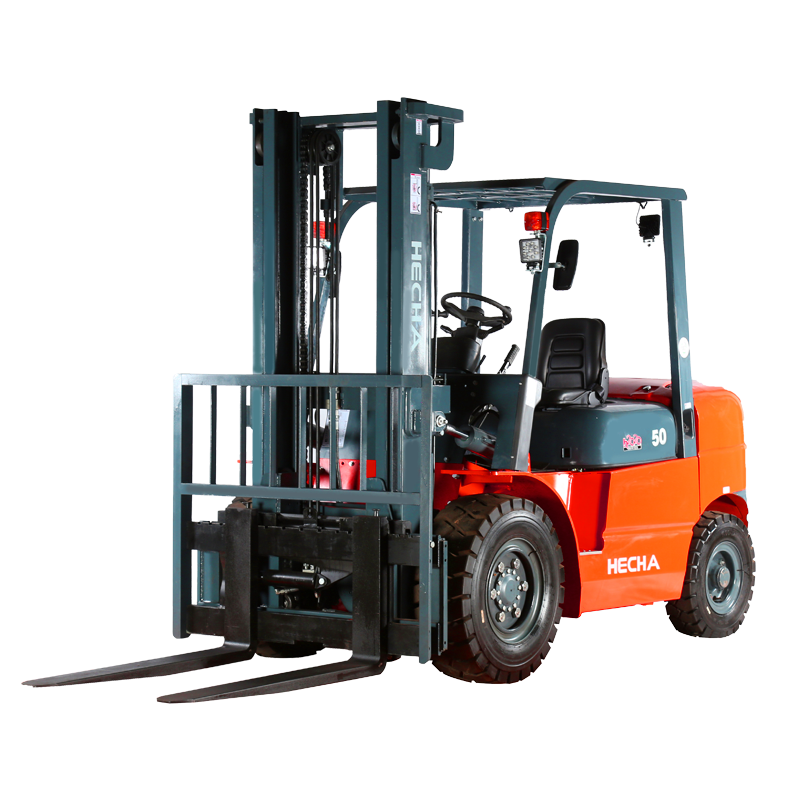
Falling under Class V (Internal Combustion with Pneumatic Tires), diesel forklifts are built for heavy-duty outdoor use. Their high torque output at low speeds makes them ideal for moving dense, heavy loads across uneven outdoor surfaces.
- Ideal Applications: Steel yards, ports, lumber yards, and heavy construction sites.
- Key Advantages: Superior power and durability for continuous, demanding operations. Refueling is quick, minimizing downtime.
- Performance Note: A 3.5-ton diesel forklift can be significantly more cost-effective for heavy daily outdoor use, though the operational costs (fuel and maintenance) are generally higher than electric counterparts over a year.
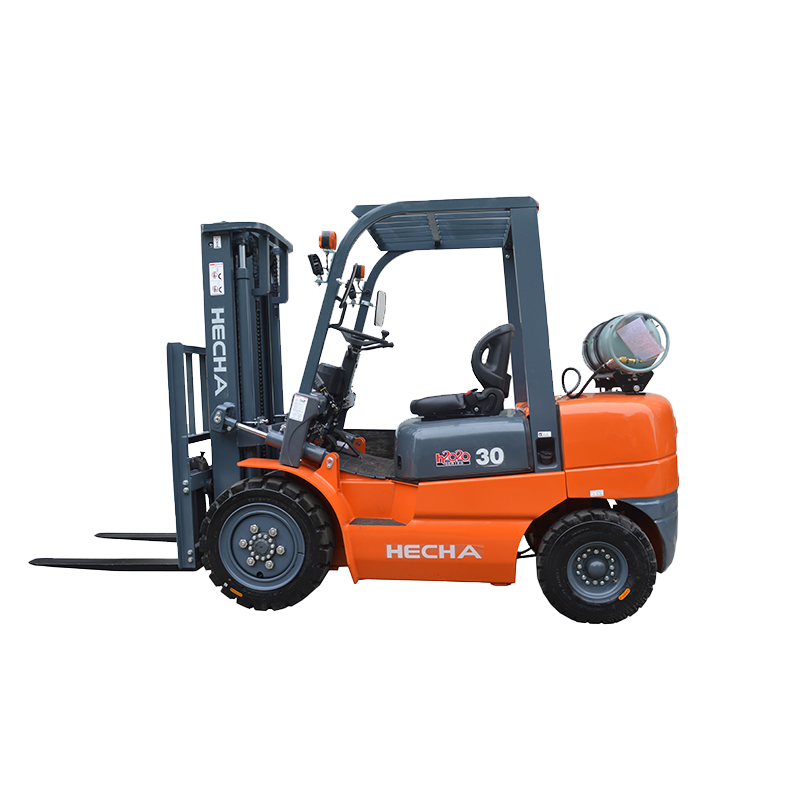
3. LPG Forklift Trucks: The Versatile Middle Ground
LPG (Liquefied Petroleum Gas) forklifts offer a practical compromise between the indoor safety of electric and the power of diesel. They are often categorized alongside Class V trucks.
- Ideal Applications: Facilities that require one truck to operate both inside a warehouse and outside on the dock or yard.
- Key Advantages: Lower emissions than diesel, making them more suitable for indoor use with adequate ventilation. They offer the "refuel and go" convenience of internal combustion engines without the long charging times of batteries.
- Performance Note: An LPG forklift truck often represents an excellent option for small to medium enterprises needing versatility without the full commitment to a battery fleet.
4. Rough Terrain Forklift Trucks: Built for the Unpredictable
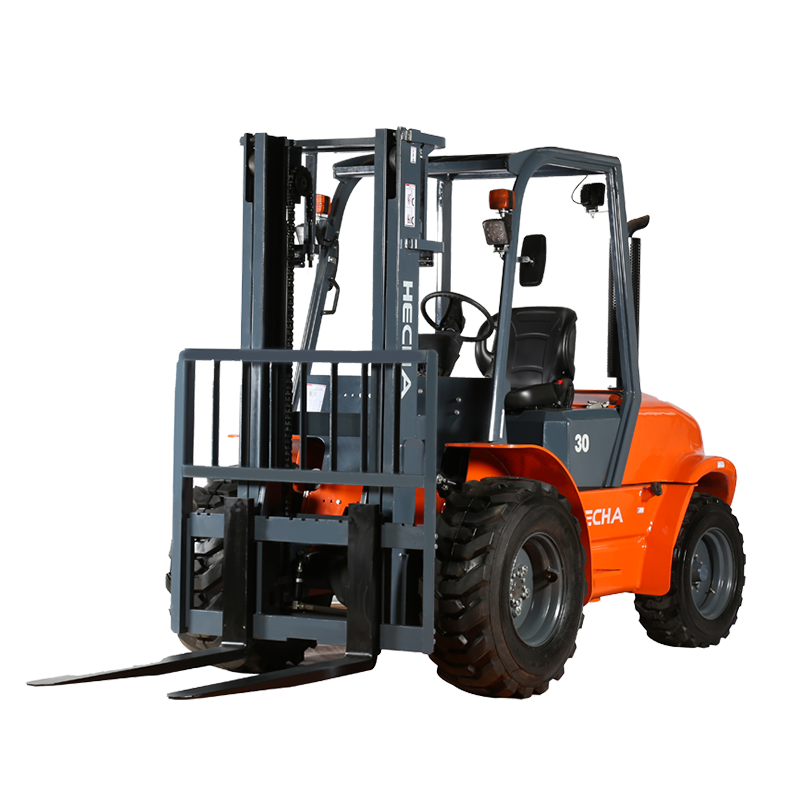
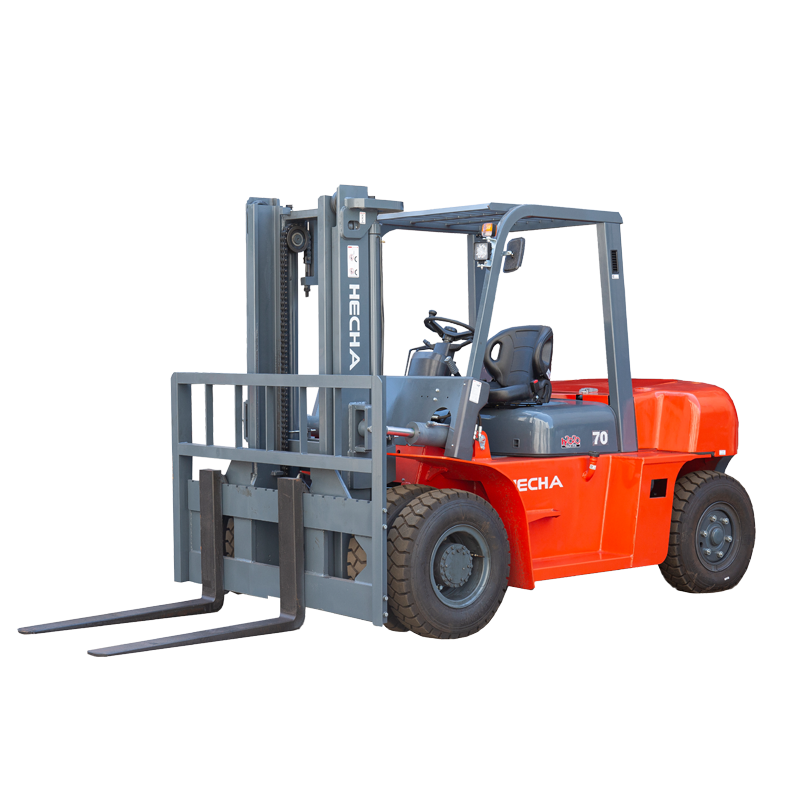
Class VII in the forklift classification system, rough terrain forklifts are the off-road vehicles of the material handling world. They feature large, deep-tread pneumatic tires and high ground clearance to navigate mud, gravel, and construction debris.
- Ideal Applications: Construction sites, auto recycling yards, and agricultural settings.
- Key Advantages: Exceptional stability and traction on uneven ground. Their robust engines and reinforced frames ensure durability in harsh conditions.
- Performance Note: In one case, a construction company improved its material handling efficiency by 40% after switching from standard electric forklifts to diesel-powered rough terrain models, highlighting the critical match between equipment and environment.
Visual Data Comparison
The following charts provide a data-driven perspective on how these different types of forklift trucks compare across key performance and economic metrics.
Total Cost of Ownership (5-Year)
Higher bars indicate higher cost. Electric models typically have lower long-term costs.
Suited Environment & Efficiency
Electric forklifts excel indoors, while diesel dominates outdoor power.
Average Operating Cost per Shift
Electric forklifts show a decreasing cost trend, while rough terrain models have higher operational costs.
Forklift Classification and Selection Flowchart
Navigating the various industrial lift truck types can be complex. The following flowchart provides a systematic approach to selecting the right equipment based on your operational requirements.
Decision flow for selecting between primary industrial lift truck types based on environment.
Key Considerations for Choosing the Right Forklift
Selecting the right material handling forklift truck goes beyond just the environment. Here are the critical factors to evaluate during your selection process.
- Load Capacity and Lift Height: Match the truck's rated capacity not just to your current loads, but to your peak demands. Consider the counterbalance truck design—the counterweight must effectively offset the maximum load.
- Duty Cycle and Shift Length: Electric forklifts are ideal for light to medium duty cycles with opportunities for charging. For continuous, heavy-duty multi-shift operations, an LPG or diesel material handling forklift truck may be more practical despite higher fuel costs.
- Total Cost of Ownership (TCO): While an electric forklift often has a higher initial purchase price, its lower maintenance and energy costs can make it more economical over a 5-year period. Conversely, diesel and LPG models have lower upfront costs but higher ongoing operational expenses.
- Operator Comfort and Ergonomics: Reduced noise and vibration in electric forklifts can lead to less operator fatigue, which is a crucial factor for productivity and retention.
Indoor vs. Outdoor Forklift Requirements
This distinction is one of the most critical in forklift classification. Indoor forklift trucks prioritize maneuverability, low emissions, and noise reduction. In contrast, outdoor forklifts require robust engines, high ground clearance, and superior traction.
Key Insight: A common mistake is using an indoor forklift on outdoor surfaces. Cushion tires, standard on many indoor models, are designed only for smooth floors and will quickly wear out on gravel or asphalt, creating a safety hazard and increasing costs.
Frequently Asked Questions About Forklift Types
Q1: What is the main difference between a counterbalance truck and a reach truck?
A counterbalance lift truck uses a heavy weight at the rear to offset the load at the front, allowing it to drive directly up to a load. A reach truck, on the other hand, uses outriggers and extends its forks forward to place loads into racks, making it better suited for narrow aisles.
Q2: Can an electric forklift be used outdoors?
Yes, but with limitations. Modern electric forklifts with pneumatic tires and weather-resistant features can be used outdoors on dry, smooth surfaces. However, for wet, muddy, or extremely uneven terrain, a diesel or rough terrain forklift is far more suitable.
Q3: Which is more cost-effective: LPG or diesel forklift?
This depends on your application. LPG forklifts generally have lower emissions and are quieter, making them more suitable for mixed indoor/outdoor use. Diesel forklifts are typically more fuel-efficient and have higher torque for heavy loads. The cost-effectiveness is determined by fuel prices, maintenance intervals, and the duty cycle.
Q4: How do I know if I need a rough terrain forklift?
If your operations primarily take place on unstable or unpaved surfaces—such as construction sites, lumber yards, or agricultural fields—a rough terrain forklift is the correct choice. Their large pneumatic tires and high ground clearance are engineered specifically for these conditions.
Q5: Why is understanding forklift classification important?
Understanding forklift classification (Classes I to VII) helps you quickly narrow down your options based on power source, tire type, and intended application. It serves as a universal language to ensure you are comparing similar types of equipment across different brands.