English
 中文简体
中文简体 русский
 Français
 Español

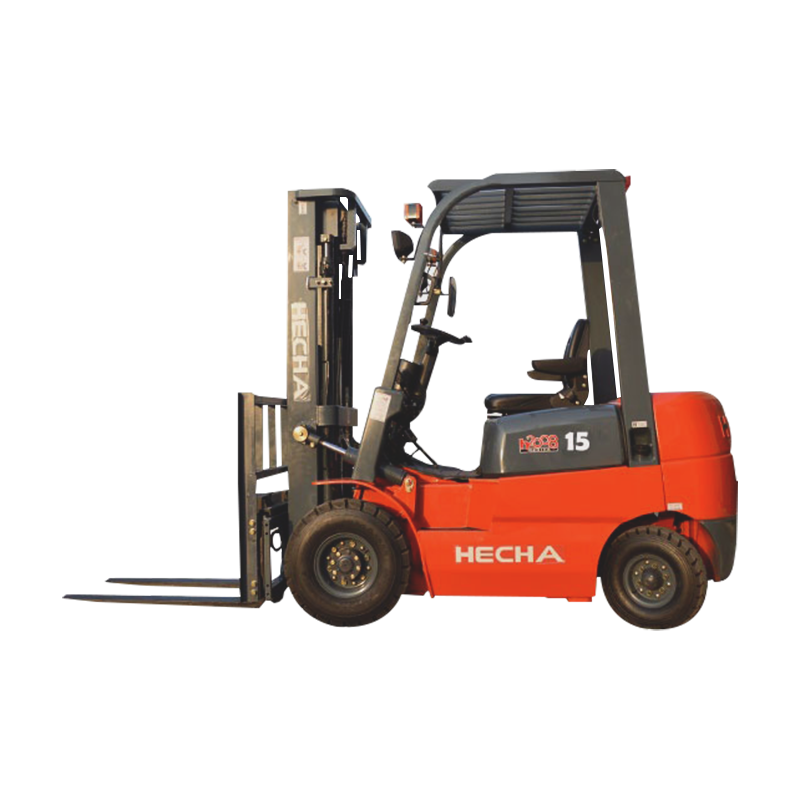
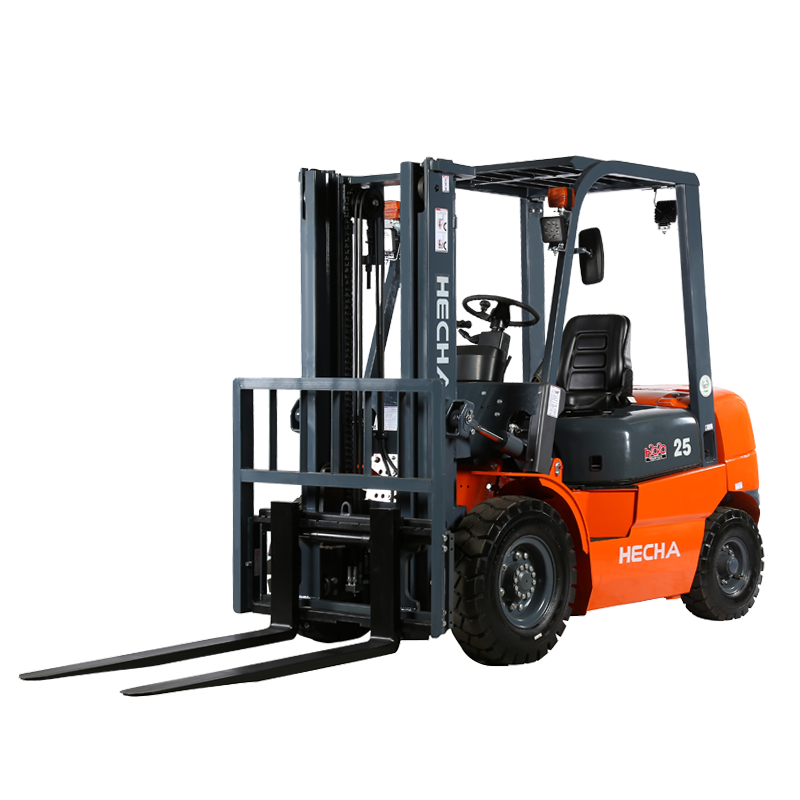
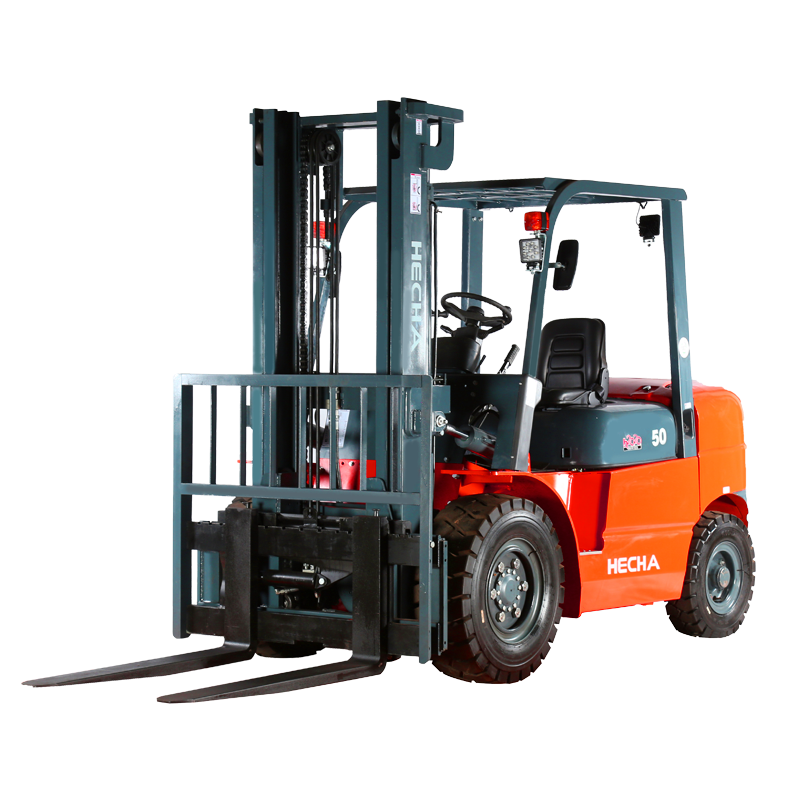
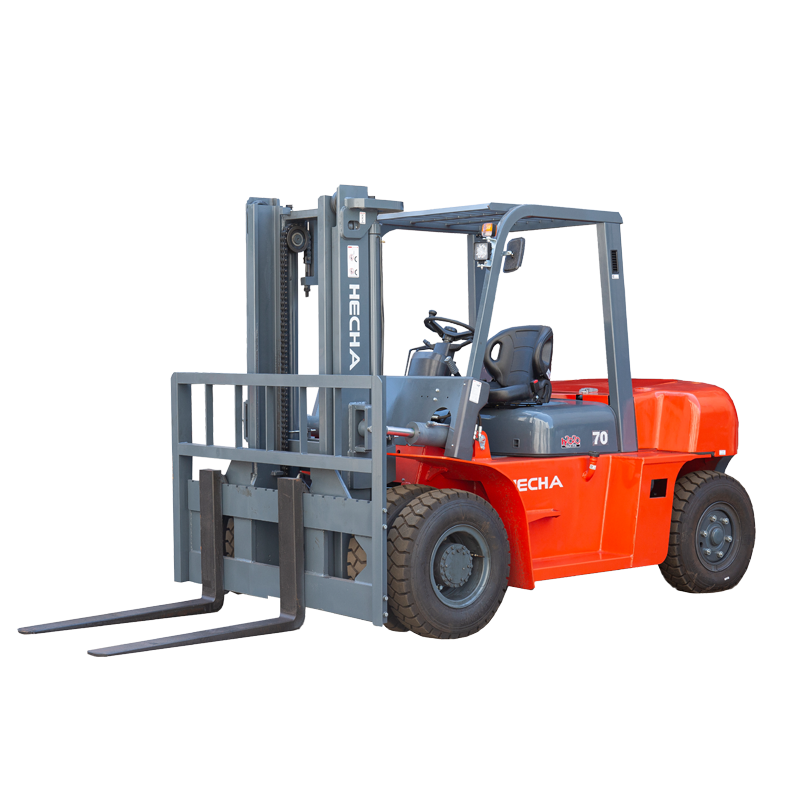
The high performance lpg gas forklift is an essential asset in warehouses, logistics centers, manufacturing facilities, and distribution hubs. Its versatility, fuel efficiency, and operational reliability make it a preferred choice over other material handling solutions.
Internal Combustion High Performance LPG Gas Forklifts
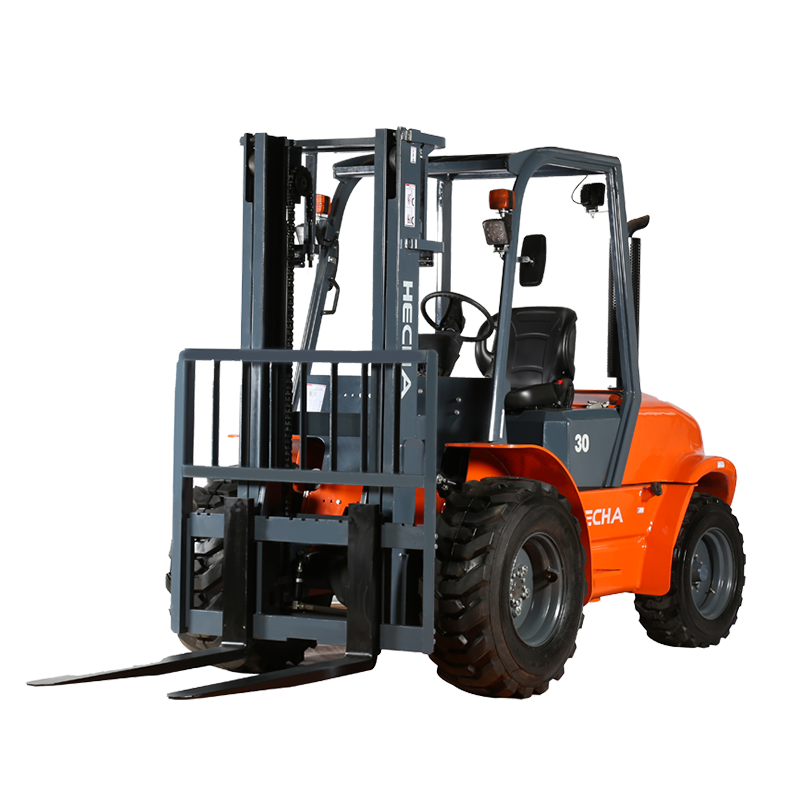
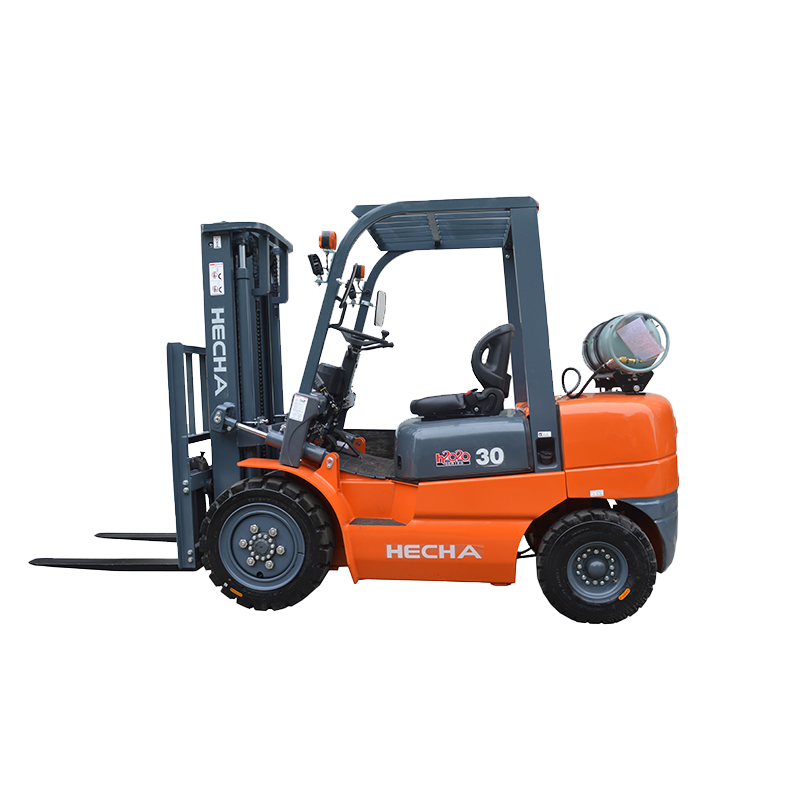
Internal combustion models powered by liquefied petroleum gas (LPG) are among the most common types of high performance lpg gas forklifts. These forklifts combine engine power and mobility, making them suitable for both indoor and outdoor operations.
Key Features
Internal combustion high performance lpg gas forklifts typically feature robust engines, a counterbalance design, and adjustable masts. They are capable of handling heavy loads while maintaining stability. LPG-fueled engines produce fewer emissions compared to diesel, making them a cleaner option for indoor usage in compliance with environmental regulations.
Typical Applications
These forklifts are often deployed in industries requiring frequent load lifting, such as manufacturing plants, retail distribution centers, and logistics warehouses. Their capacity to operate continuously with quick refueling cycles ensures minimal downtime in high-demand environments.
Advantages
- Enhanced mobility on rough surfaces and outdoor areas.
- Lower emissions than diesel-powered forklifts, making them suitable for partially indoor operations.
- Quick refueling, which supports longer operational hours without interruptions.
Electric Hybrid High Performance LPG Gas Forklifts
Electric hybrid forklifts integrate battery-powered systems with LPG engines to combine efficiency with environmental responsibility. This type is increasingly popular in sectors aiming to reduce fuel costs and emissions while maintaining operational performance.
Key Features
Hybrid high performance lpg gas forklifts feature dual power modes, allowing operators to switch between battery and LPG fuel depending on the task. They often come equipped with advanced monitoring systems to track fuel consumption, battery health, and performance metrics.
Typical Applications
These forklifts are suited for indoor warehouses where emission control is critical, as well as cold storage facilities where battery operation can reduce heat generation. They are also utilized in logistics centers seeking to optimize energy usage while maintaining productivity.
Advantages
- Reduced operational costs due to partial electric operation.
- Lower carbon footprint, aligning with sustainability goals.
- Flexible operation, allowing continuous workflow without compromising performance.
Three-Wheel High Performance LPG Gas Forklifts
The three-wheel high performance lpg gas forklift offers enhanced maneuverability in tight spaces, making it ideal for congested warehouse aisles and retail storage areas.
Key Features
- Compact design, allowing for sharper turning radius.
- Counterbalanced rear-wheel drive, which maintains stability despite the smaller footprint.
- Ergonomic operator cabin, designed for ease of control and visibility.
Typical Applications
Industries that rely on narrow aisle storage benefit from this type of forklift, including retail logistics, e-commerce fulfillment centers, and small-scale manufacturing facilities. Its design supports efficient stacking and unstacking of pallets where space is limited.
Advantages
- Superior maneuverability in confined areas.
- Efficient load handling without sacrificing speed.
- Reduced operational footprint, allowing more storage density.
Four-Wheel High Performance LPG Gas Forklifts
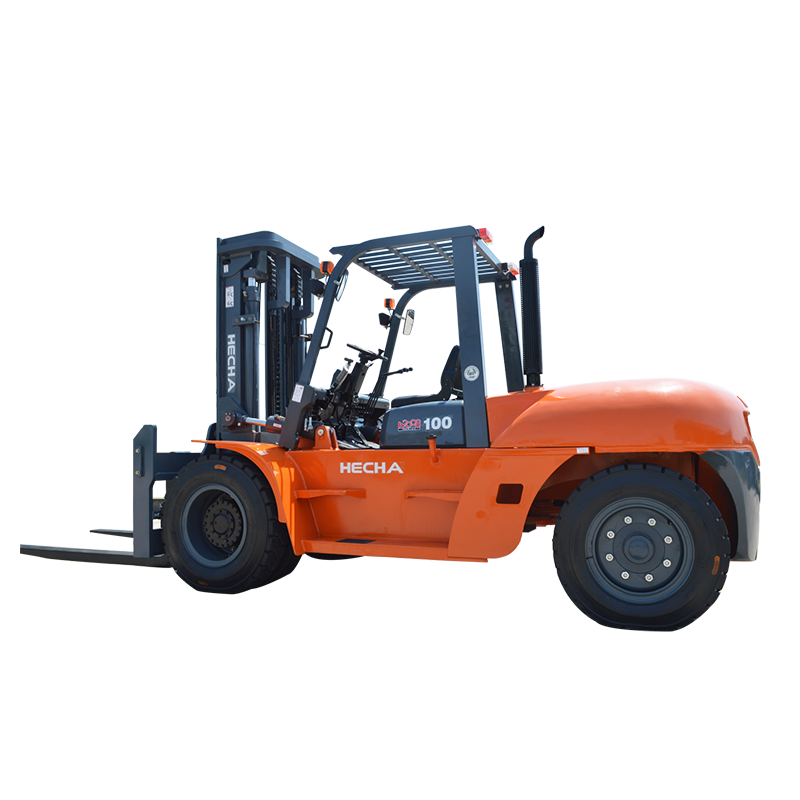
Four-wheel models are generally designed for heavier loads and outdoor operations. They are the workhorses in industrial environments where stability and lifting capacity are paramount.
Key Features
- Sturdy frame capable of supporting substantial payloads.
- Enhanced suspension, providing stability on uneven terrain.
- Wide mast options, suitable for multiple lifting heights.
Typical Applications
These forklifts excel in construction sites, shipping yards, and manufacturing plants. They are preferred where heavy pallet loads and rough terrain require durable and reliable equipment.
Advantages
- High lifting capacity, enabling the transport of large or bulky materials.
- Stability on uneven ground, reducing risk during operations.
- Versatile applications, suitable for both indoor and outdoor tasks.
LPG Cylinder and Fuel Configuration Options
Another factor that differentiates high performance lpg gas forklifts is the fuel system configuration. Forklifts may come with onboard LPG cylinders or external quick-connect tanks, affecting refueling efficiency and operational range.
Key Features
- Onboard cylinders provide direct fuel access for uninterrupted workflow.
- External quick-connect systems allow for fast cylinder replacement, reducing downtime.
Applications and Benefits
- Onboard cylinders are ideal for smaller facilities with moderate operational demands.
- Quick-connect options are advantageous for high-volume warehouses, ensuring continuous operation without lengthy refueling delays.
Specialized Attachments for High Performance LPG Gas Forklifts
Beyond standard configurations, attachments enhance the functionality of high performance lpg gas forklifts. Common attachments include fork extensions, side shifters, and rotators.
Applications
- Side shifters facilitate precise pallet alignment in tight spaces.
- Fork extensions increase reach for handling oversized loads.
- Rotators assist with specialized handling of containers or drums.
Attachments allow businesses to adapt a single forklift to multiple tasks, reducing the need for additional machinery and improving overall efficiency.
Industry Considerations and Buyer Insights
When selecting a high performance lpg gas forklift, buyers should evaluate operational needs, including lifting capacity, workspace environment, fuel type preferences, and maintenance support.
- Warehouse operators prioritize maneuverability, battery hybrid options, and compliance with indoor emission standards.
- Manufacturing and logistics companies focus on lifting capacity, durability, and minimal downtime.
- Cold storage and food distribution facilities often value hybrid operation to reduce heat output and fuel consumption.
Evaluating these factors ensures that the chosen forklift aligns with productivity goals, safety standards, and long-term operational efficiency.
Conclusion
Understanding the types of high performance lpg gas forklifts is essential for buyers and operators aiming to optimize warehouse and industrial operations. From internal combustion models to electric hybrid, and from three-wheel maneuverable units to four-wheel heavy-duty machines, each forklift type offers unique advantages. By considering operational requirements, industry application, fuel configuration, and available attachments, businesses can select the high performance lpg gas forklift that delivers efficiency, safety, and reliability.