English
 中文简体
中文简体 русский
 Français
 Español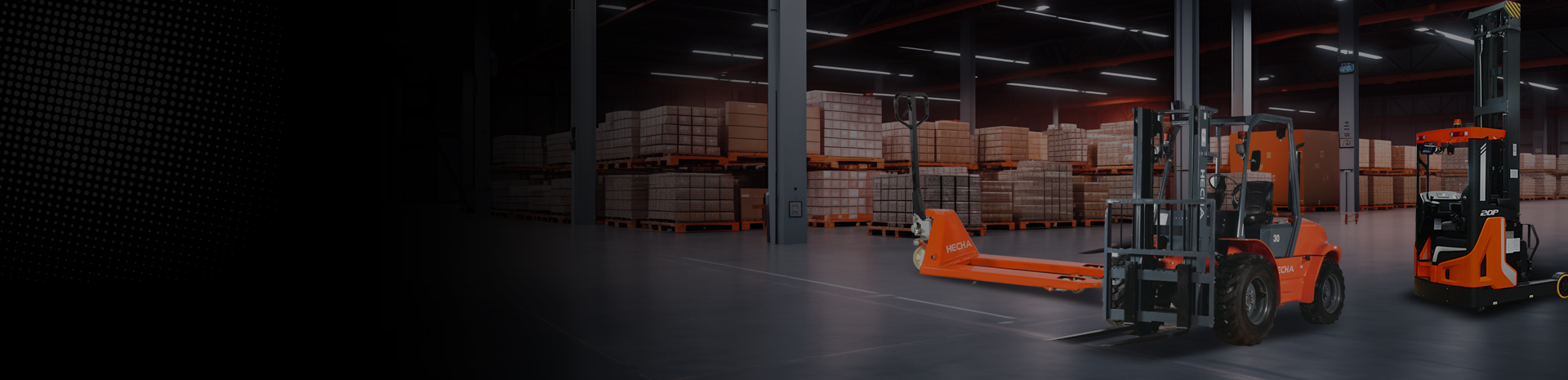

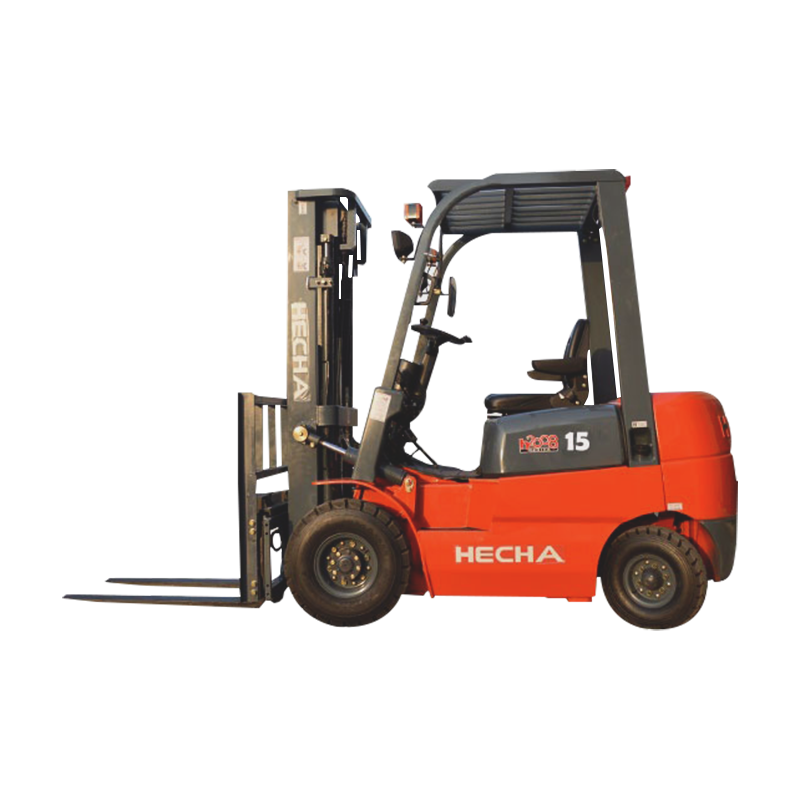
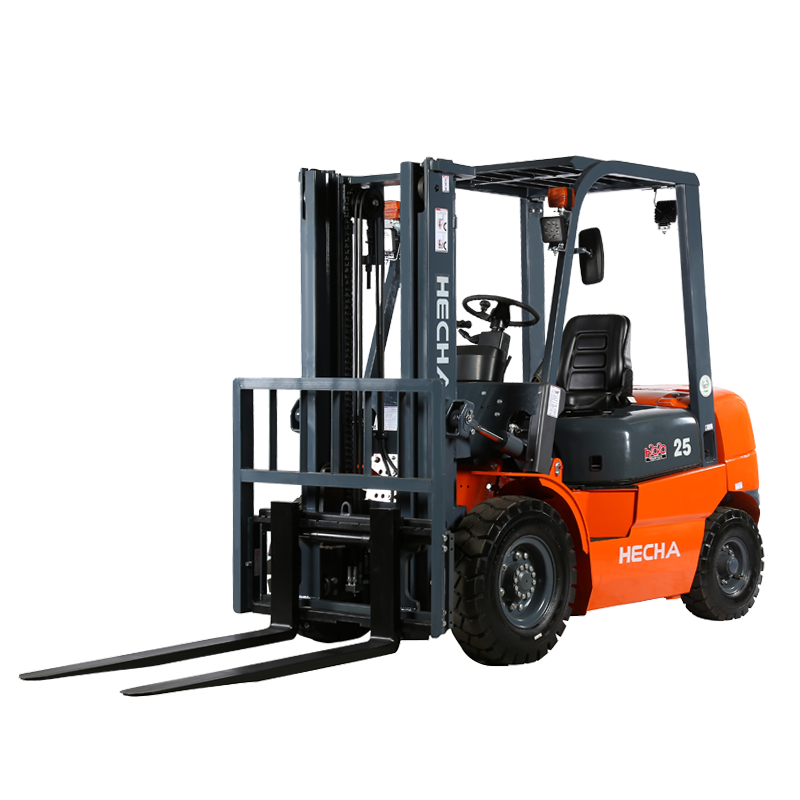
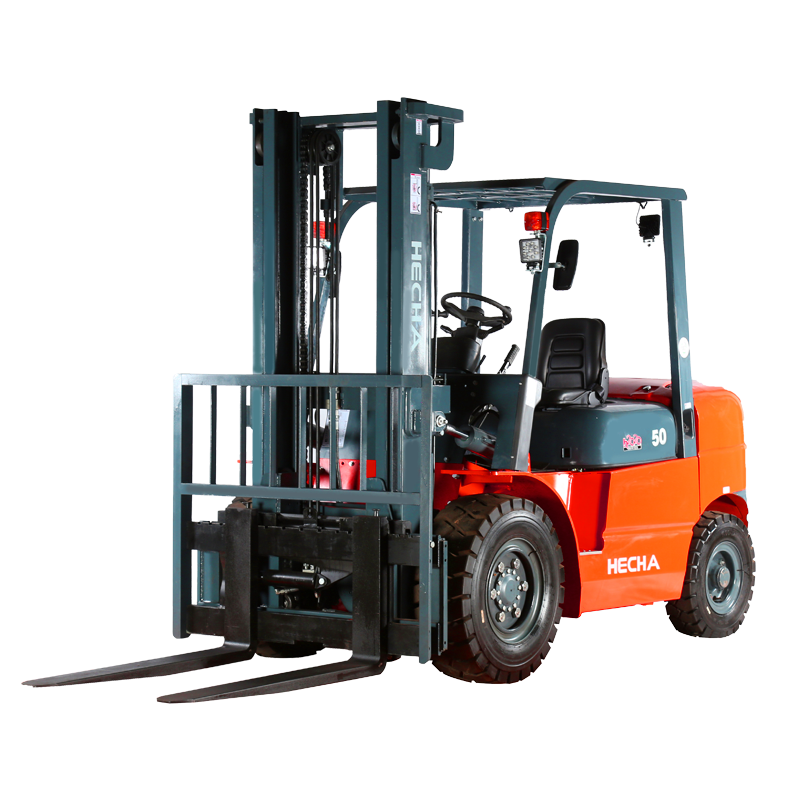
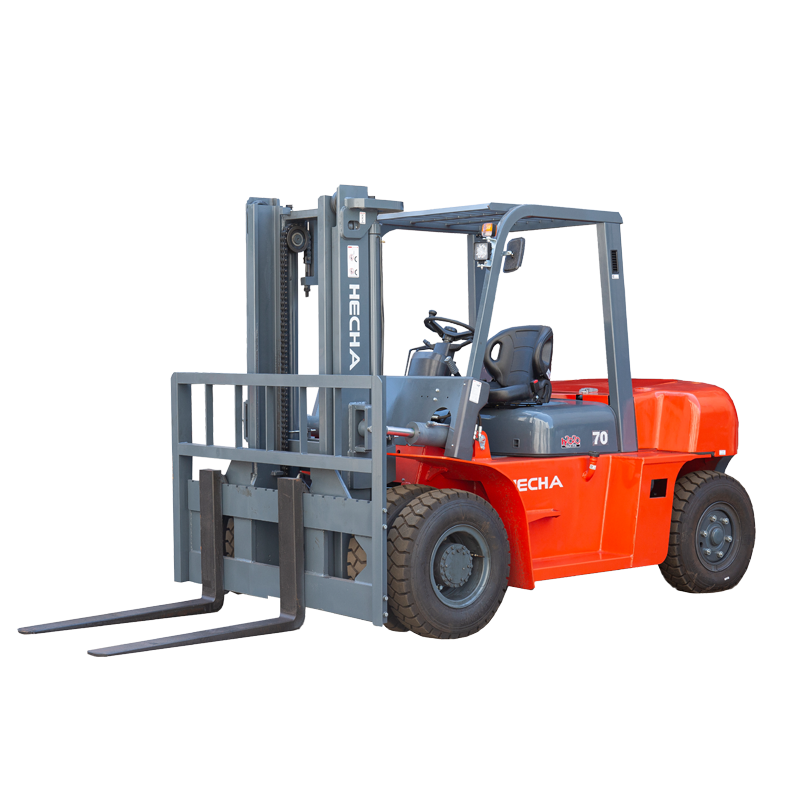
Lead-acid battery forklifts are widely used across industries due to their reliable performance, cost-effectiveness, and durability. However, not all lead-acid battery forklifts are designed the same. A key distinction exists between industrial lead-acid battery forklifts and warehouse lead-acid battery forklifts, which reflects their intended operating environments, load capacities, and technical features.
1. Design and Size
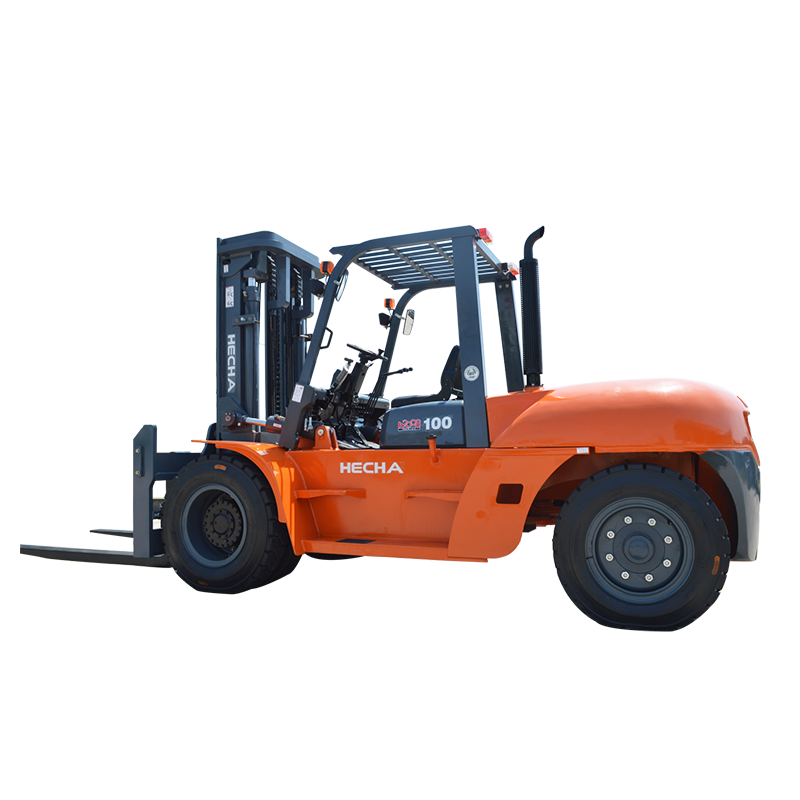
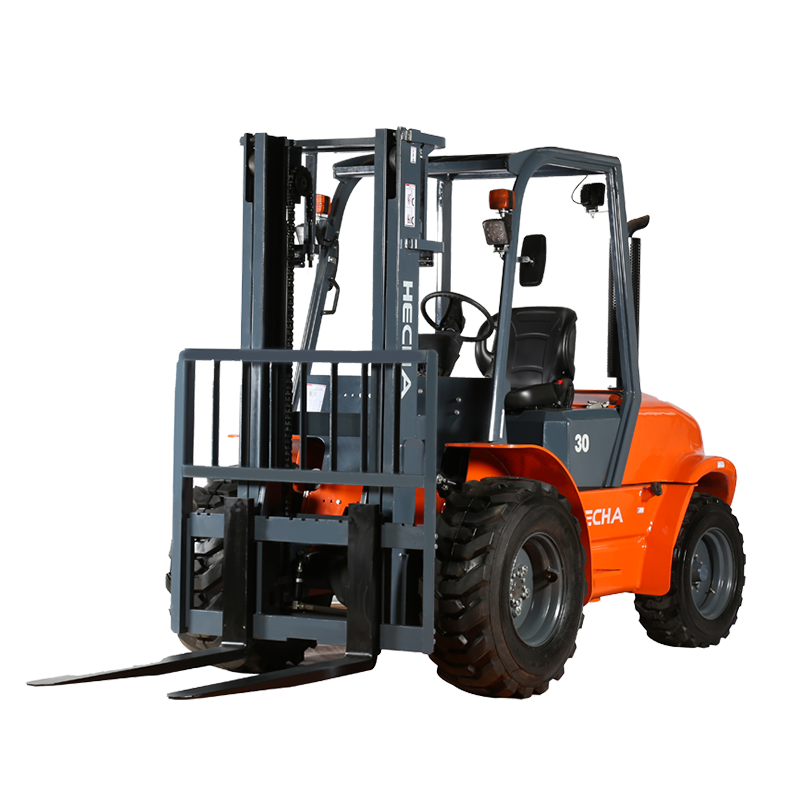
Industrial lead-acid battery forklifts are typically larger, heavier, and built to handle heavier loads and outdoor or rough-terrain conditions. Their design often includes reinforced frames, high ground clearance, and robust tires capable of supporting continuous operation in industrial yards, construction sites, or shipping docks.
In contrast, warehouse lead-acid battery forklifts are designed for indoor use, with a more compact form factor that allows them to navigate narrow aisles and tight storage areas efficiently. Their smaller size facilitates greater maneuverability in confined spaces, which is critical for warehouses with racking systems and dense layouts.
2. Load Capacity
Load capacity is another distinguishing factor between the two types. Industrial lead-acid battery forklifts generally offer higher lifting capacities, often ranging from 5 to 15 tons or more, depending on the model and configuration. These forklifts are optimized to handle heavy pallets, construction materials, and industrial equipment.
Warehouse lead-acid battery forklifts, however, usually have a moderate load capacity, typically ranging from 1.5 to 5 tons. This is sufficient for transporting goods on pallets or racks without compromising speed and maneuverability in indoor environments.
3. Mobility and Tire Type
Industrial forklifts are frequently equipped with pneumatic tires or solid tires designed for rough surfaces. Pneumatic tires provide better shock absorption on uneven outdoor terrain, while solid tires reduce the risk of punctures in environments with debris.
Warehouse forklifts, on the other hand, often use cushion tires, which are smaller and made of solid rubber. Cushion tires provide better traction on smooth concrete floors, reduce turning radius, and allow forklifts to operate efficiently indoors. The trade-off is that these forklifts are less suited for outdoor or uneven surfaces.
4. Battery and Power Management
Both industrial and warehouse forklifts use lead-acid batteries, but their configurations may differ. Industrial forklifts may use larger battery packs with higher voltage or capacity to provide longer operation periods for heavy-duty tasks. These batteries often require longer charging times but are designed to sustain extended cycles of lifting and transporting heavy loads.
Warehouse lead-acid battery forklifts tend to have smaller, lighter battery packs, which allow for faster charging and easier battery replacement. Since warehouse operations often involve multiple shifts, the ability to quickly swap batteries without interrupting workflow is a significant advantage.
5. Speed and Maneuverability
Warehouse lead-acid battery forklifts are generally designed for higher maneuverability and moderate speed, optimized for frequent stops, turns, and indoor navigation. They often feature tight turning radii and ergonomic control systems for operators working in tight aisles.
Industrial forklifts focus more on stability and lifting power than speed. Their larger frames and heavier loads make quick maneuvering less practical, and their design emphasizes safety and load control in outdoor or industrial environments.
6. Operational Environment
The operational environment is perhaps the most critical factor distinguishing the two forklift types. Industrial lead-acid battery forklifts are suitable for harsh or outdoor conditions, including gravel, uneven pavement, and industrial yards where heavy lifting is frequent. They are engineered to endure long-term mechanical stress, vibration, and temperature fluctuations.
Warehouse forklifts are optimized for controlled indoor conditions, including warehouses, cold storage, and manufacturing floors. Their design prioritizes smooth operation, energy efficiency, and minimal floor damage, which is critical when working on polished or sensitive flooring.
7. Maintenance Considerations
Maintenance requirements vary significantly. Industrial lead-acid battery forklifts, with their heavy-duty components, may require more frequent inspections for wear and tear, including tire replacement, hydraulic checks, and frame integrity assessments.
Warehouse lead-acid battery forklifts, while still requiring regular battery maintenance and lubrication, typically experience less structural stress, making maintenance more predictable and less intensive.
Summary Table of Differences
| Feature | Industrial lead-acid battery forklift | Warehouse lead-acid battery forklift |
|---|---|---|
| Size & Design | Larger, reinforced, heavy-duty | Compact, maneuverable, indoor-friendly |
| Load Capacity | High (5–15+ tons) | Moderate (1.5–5 tons) |
| Tires | Pneumatic or solid for rough terrain | Cushion tires for smooth indoor floors |
| Battery | Larger packs, longer operation | Smaller packs, faster charging/swapping |
| Maneuverability | Lower, focus on stability | Higher, tight turning radius |
| Operational Environment | Outdoor, industrial yards | Indoor warehouses, storage facilities |
| Maintenance | More frequent, structural focus | Moderate, battery-focused |
Conclusion
Selecting between industrial and warehouse lead-acid battery forklifts depends primarily on operational requirements, load capacities, and the environment in which the forklift will operate. Industrial forklifts are ideal for outdoor, heavy-duty, and continuous operations, while warehouse forklifts excel in indoor settings requiring agility, moderate loads, and frequent movement. Understanding these differences helps buyers make informed decisions, ensuring efficiency, safety, and cost-effectiveness in their material handling operations.