English
 中文简体
中文简体 русский
 Français
 Español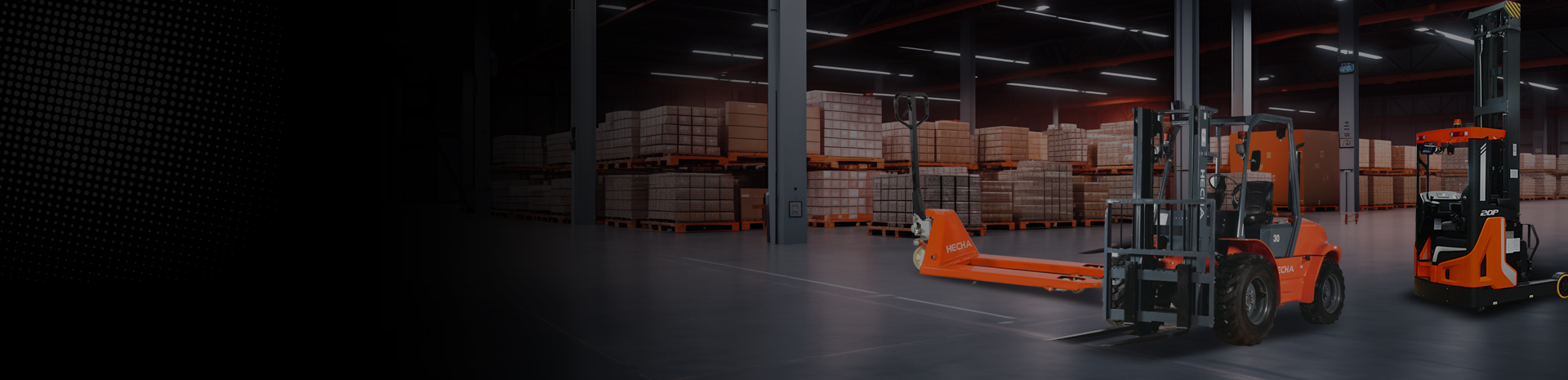

In modern warehousing and material handling, equipment selection plays a critical role in operational efficiency. Two widely used tools in this domain are the large variety pallet stacker and the standard pallet jack. While both are designed to move palletized loads, their design, functionality, and operational capabilities vary significantly.
Overview of a large variety pallet stacker
A large variety pallet stacker is a versatile lifting device designed to handle a wide range of pallet sizes, weights, and operational demands. Unlike a standard pallet jack, which primarily facilitates horizontal movement of pallets, a pallet stacker provides vertical lifting capabilities, enabling stacking and organized storage in confined spaces. These devices can be manual, semi-electric, or fully electric, depending on operational needs and budget considerations.
Key features of a large variety pallet stacker include:
- Adjustable fork heights for stacking pallets at multiple levels.
- Enhanced load capacity, allowing heavier and bulkier pallets to be lifted safely.
- Integrated safety mechanisms, including overload protection and emergency stop systems.
- Ergonomic design to reduce operator fatigue and improve productivity.
The ability to lift and stack pallets efficiently distinguishes the large variety pallet stacker from simpler material handling tools like standard pallet jacks. This feature is particularly valuable in warehouses, distribution centers, and industrial environments with vertical storage requirements.
Comparison with a standard pallet jack
While a standard pallet jack is a common tool in many warehouses, it is primarily designed for low-level pallet movement and has limitations in lifting capacity and operational flexibility. Comparing the large variety pallet stacker with a standard pallet jack highlights several differences:
| Feature | Large variety pallet stacker | Standard pallet jack |
|---|---|---|
| Lifting capability | Vertical lifting up to several meters | Minimal vertical lift, usually just a few inches |
| Load capacity | Can handle heavier loads, often exceeding 1 ton | Typically limited to 2,000–5,500 lbs |
| Power options | Manual, semi-electric, fully electric | Usually manual; some electric options exist |
| Storage efficiency | Enables high-density stacking | Only moves pallets horizontally |
| Safety features | Overload protection, braking systems, ergonomic controls | Limited safety features |
| Operational versatility | Suitable for various pallet sizes and types | Best for standard-sized pallets |
As the table demonstrates, the large variety pallet stacker is designed for environments where lifting, stacking, and space optimization are crucial. In contrast, a standard pallet jack serves as a simple, cost-effective solution for moving pallets short distances.
Advantages of using a large variety pallet stacker
The adoption of a large variety pallet stacker in warehouse operations provides several operational and logistical advantages:
Enhanced storage efficiency
By allowing vertical stacking, pallet stackers maximize storage space utilization. Warehouses with limited floor space benefit significantly from this feature, as it reduces congestion and optimizes aisle organization.
Improved load handling and safety
Large variety pallet stackers are equipped with safety features such as overload protection, fork stabilization, and emergency brakes. These systems minimize the risk of accidents and damage to goods, ensuring safer handling of heavier and bulkier pallets.
Versatility in pallet types and environments
Unlike standard pallet jacks that are limited by pallet size and weight, a large variety pallet stacker can accommodate diverse pallet dimensions and weights. This versatility makes it ideal for industries with variable shipping or storage requirements, such as manufacturing, retail distribution, and logistics.
Operational efficiency and ergonomics
Modern pallet stackers incorporate ergonomic designs, reducing physical strain on operators. Electric and semi-electric models further improve efficiency by automating lifting and lowering processes, allowing operators to handle more loads in less time.
Technical considerations for large variety pallet stackers
Understanding the technical aspects of a large variety pallet stacker is important for buyers who prioritize performance, durability, and safety. Key technical considerations include:
- Load capacity and stability: A pallet stacker must support the maximum intended load without compromising stability. Features like wide wheelbases, counterweights, and reinforced forks contribute to safe operation.
- Lift height: Depending on storage requirements, lift height varies among models. Choosing a stacker with appropriate lift height ensures compatibility with warehouse racking systems.
- Power source: Manual stackers are cost-effective but limited in efficiency. Semi-electric and electric models provide higher lifting speeds and reduced operator fatigue.
- Maneuverability: Compact design, precise steering, and swivel wheels enhance navigation in narrow aisles.
- Maintenance and durability: Components such as hydraulic systems, motors, and forks require regular inspection. Durable construction reduces downtime and extends the lifespan of the equipment.
Industries and applications
Large variety pallet stackers are widely used across multiple industries where palletized goods are handled regularly. Key sectors include:
- Warehousing and logistics: Efficient stacking and movement of goods within high-density storage facilities.
- Retail and wholesale distribution: Handling a mix of product sizes and weights in fast-paced environments.
- Manufacturing: Moving raw materials and finished goods between production lines and storage areas.
- Food and beverage: Managing pallets with heavy or bulk goods, often under temperature-controlled conditions.
The adaptability of the large variety pallet stacker makes it a preferred choice for operations requiring flexibility and high storage efficiency.
Operational best practices
To maximize the benefits of a large variety pallet stacker, operators should follow recommended practices:
- Conduct regular inspections to ensure forks, wheels, and hydraulics are in optimal condition.
- Avoid exceeding the rated load capacity to maintain stability and safety.
- Train operators on proper lifting techniques and maneuvering in confined spaces.
- Use stackers compatible with pallet types and warehouse layout to enhance efficiency.
- Maintain a clean operating area to prevent accidents and equipment damage.
By adhering to these practices, organizations can improve productivity, reduce equipment wear, and maintain a safe working environment.
Common buyer concerns
When purchasing a large variety pallet stacker, buyers often focus on several critical aspects:
- Cost vs. benefits: Balancing initial investment with long-term operational efficiency.
- Compatibility with warehouse layout: Ensuring sufficient aisle width and floor strength for stacker operation.
- Durability and maintenance: Selecting equipment that minimizes downtime and maintenance expenses.
- Safety compliance: Verifying that stackers meet safety standards and regulatory requirements.
- Versatility: Ensuring the stacker can handle varying pallet sizes and load types.
Addressing these concerns during the selection process ensures that the chosen pallet stacker delivers optimal value for the organization.
Conclusion
In summary, a large variety pallet stacker differs significantly from a standard pallet jack in terms of lifting capacity, operational versatility, safety features, and storage efficiency. While standard pallet jacks serve basic horizontal movement needs, pallet stackers enable vertical lifting and high-density storage, making them essential tools for modern warehousing and industrial operations.