English
 中文简体
中文简体 русский
 Français
 Español

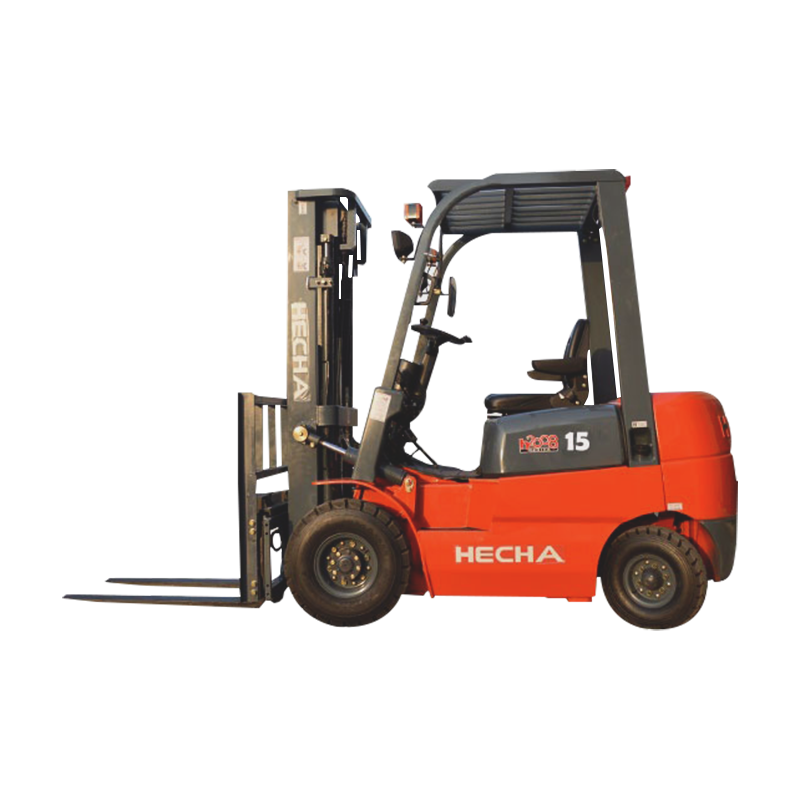
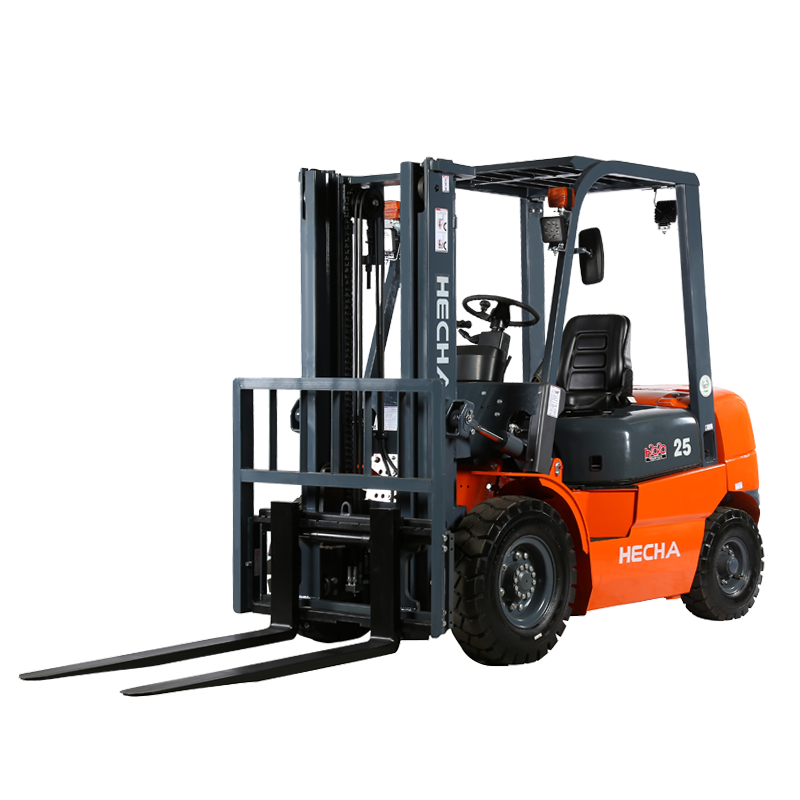
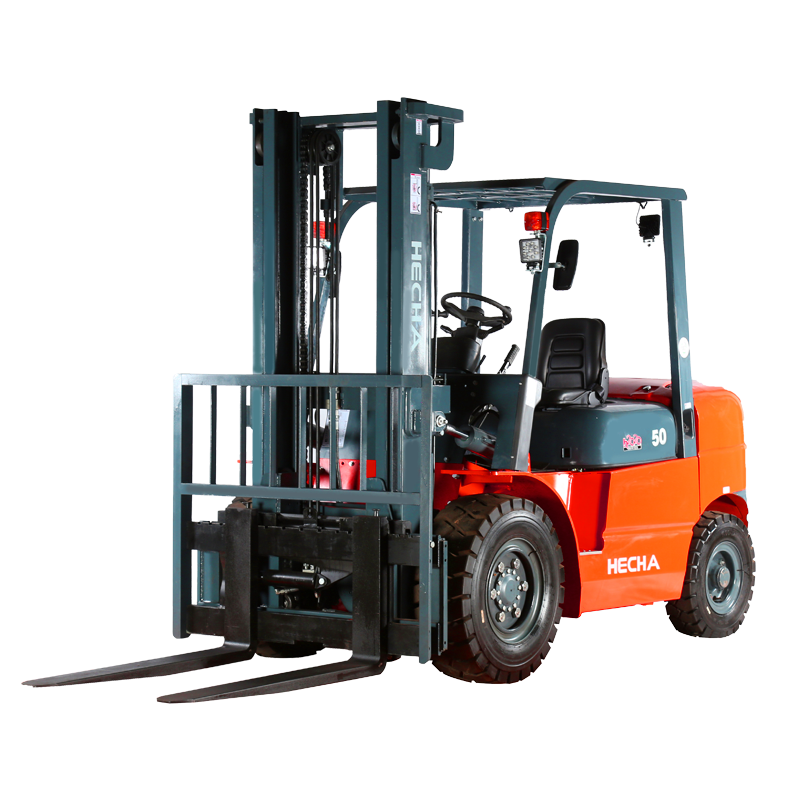
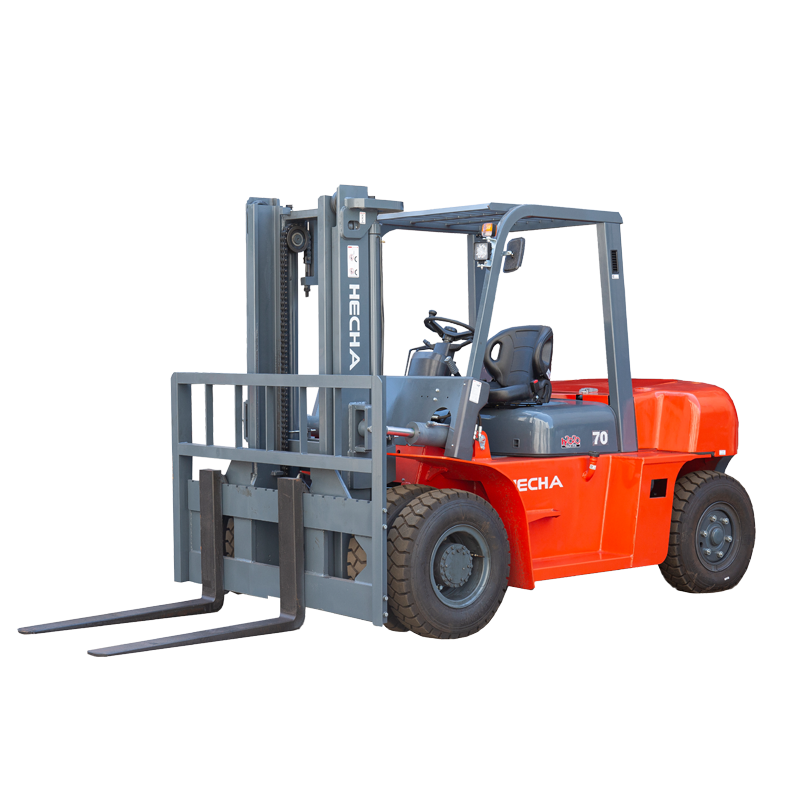
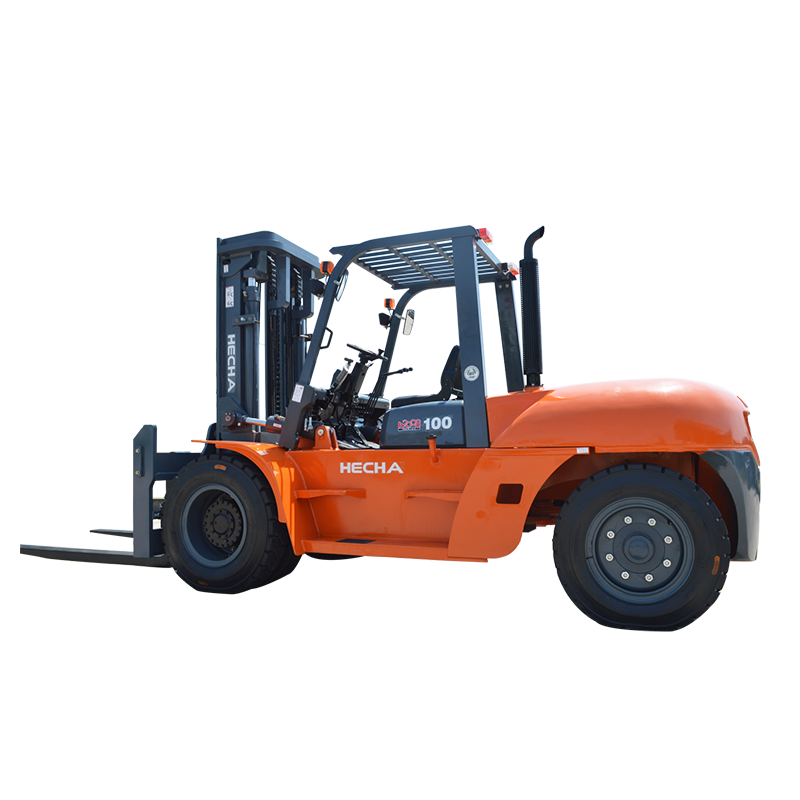
The lifting capacity and stability of a 5-10ton heavy duty forklift are critical factors that determine its performance, safety, and suitability for various industrial applications. Understanding these factors is essential for buyers, operators, and fleet managers who want to optimize productivity while maintaining safe operations.
Structural Design and Frame Strength
The structural design of a 5-10ton heavy duty forklift plays a pivotal role in determining both lifting capacity and stability. The forklift’s frame must be engineered to handle heavy loads without deforming or compromising balance. High-strength steel is commonly used in the construction of the mast, chassis, and counterweight components, providing durability and rigidity.
A robust mast design ensures that vertical loads are transferred evenly and minimizes sway during lifting operations. Reinforced fork arms and cross members enhance the forklift’s ability to handle irregular or uneven loads. Additionally, the distribution of load-bearing points within the frame affects the center of gravity, which is directly linked to stability during operation. Buyers should pay attention to the quality of the structural components when evaluating a 5-10ton heavy duty forklift.
Counterweight and Load Distribution
One of the most critical aspects influencing the stability of a 5-10ton heavy duty forklift is the counterweight. The counterweight balances the weight of the load being lifted, ensuring that the forklift remains upright and does not tip forward. The size, position, and material of the counterweight are carefully designed to complement the forklift’s lifting capacity.
Proper load distribution is equally important. Operators must ensure that heavy or bulky loads are positioned correctly on the forks, maintaining the balance point close to the forklift’s center of gravity. Overextending the forks or unevenly distributing weight can lead to instability, reduced lifting capacity, or accidents. A well-designed 5-10ton heavy duty forklift incorporates clear load charts to guide operators on maximum safe lift heights and capacities.
Hydraulic System Performance
The hydraulic system is essential for the lifting operations of a 5-10ton heavy duty forklift. High-performance hydraulics provide the force needed to lift heavy loads while maintaining smooth control. The quality of hydraulic pumps, cylinders, hoses, and valves directly impacts both lifting capacity and operational stability.
Precision control of the hydraulic system allows for accurate lifting and lowering, preventing sudden movements that could destabilize the forklift. Forklifts equipped with advanced hydraulic systems often include features such as load-sensing valves or pressure regulators, which automatically adjust lifting force based on load weight. For industrial users, ensuring the hydraulic system is properly maintained is critical to preserving lifting efficiency and safety.
Tire Type and Ground Contact
The type of tires and their interaction with the ground surface significantly influence the stability of a 5-10ton heavy duty forklift. Pneumatic tires, solid rubber tires, and foam-filled tires offer different levels of shock absorption, traction, and load distribution.
- Pneumatic tires are ideal for uneven or outdoor surfaces, providing flexibility and cushioning.
- Solid rubber tires are durable and resistant to punctures, suitable for indoor warehouse environments.
- Foam-filled tires combine durability with resistance to deformation under heavy loads.
Tire pressure and tread design also affect stability. Improperly inflated tires or worn treads can reduce traction and lead to tipping or load slippage. For buyers, understanding the operating environment and selecting the appropriate tire type ensures optimal performance of a 5-10ton heavy duty forklift.
Center of Gravity and Load Height
The center of gravity of both the forklift and its load is a determining factor for lifting capacity and stability. As load height increases, the center of gravity rises, which can make the forklift more prone to tipping. Operators must be trained to limit load height according to the forklift’s specifications and avoid lateral tilting while handling heavy items.
Load placement on the forks must maintain a balanced center of gravity. Shifting heavy items to one side or improperly stacking materials can reduce stability. Advanced 5-10ton heavy duty forklifts often include stability control systems or sensors that monitor load position and alert operators when the center of gravity is outside safe limits.
Operator Skill and Safety Practices
Even the most robust 5-10ton heavy duty forklift can be compromised by improper operation. Operator skill is critical in ensuring that lifting capacity and stability are not exceeded. Key safety practices include:
- Maintaining smooth acceleration and braking to prevent load sway.
- Avoiding sharp turns when carrying elevated loads.
- Following recommended lifting speeds and heights.
- Conducting pre-operation inspections of tires, hydraulics, and structural components.
Proper training and adherence to safety protocols directly influence the performance and reliability of a 5-10ton heavy duty forklift.
Environmental and Ground Conditions
The environment in which a 5-10ton heavy duty forklift operates affects its lifting capacity and stability. Factors such as uneven flooring, inclines, debris, and wet surfaces can challenge the forklift’s balance and traction. Buyers and operators should evaluate:
- Floor strength and flatness in warehouses or industrial sites.
- Outdoor ground conditions including soil compaction and surface irregularities.
- Weather impacts, such as rain or snow, which may reduce tire traction.
Adjusting lifting techniques and ensuring proper ground preparation can mitigate risks associated with environmental factors.
Maintenance and Component Wear
Regular maintenance is essential for sustaining the lifting capacity and stability of a 5-10ton heavy duty forklift. Worn tires, leaking hydraulics, loose fasteners, or damaged forks can compromise safety and reduce lifting efficiency. Routine inspections should focus on:
- Fork and mast condition for cracks or deformation.
- Hydraulic hoses and cylinders for leaks or wear.
- Tire integrity and inflation levels.
- Structural frame for signs of fatigue or stress.
Consistent maintenance ensures that the forklift operates within its rated capacity and maintains stability under heavy loads.
Technological Enhancements
Modern 5-10ton heavy duty forklifts may include technological features that enhance stability and lifting performance. These can include:
- Load sensors to monitor weight distribution.
- Stability control systems to reduce tipping risks.
- Electronic monitoring for hydraulic performance.
- Operator alerts for overload or unsafe lifting angles.
These technologies support safe operation, particularly in demanding industrial environments where lifting capacity and stability are critical considerations.
Conclusion
The lifting capacity and stability of a 5-10ton heavy duty forklift are influenced by multiple interrelated factors, including structural design, counterweight placement, hydraulic system performance, tire selection, center of gravity, operator skill, environmental conditions, and regular maintenance. Understanding these elements is essential for selecting the right forklift for specific industrial applications and ensuring safe, efficient operations. By focusing on these factors, buyers and operators can maximize productivity while minimizing risks associated with heavy load handling.