English
 中文简体
中文简体 русский
 Français
 Español

The Shift Toward Battery Powered Material Handling
Warehouses and distribution centers are steadily replacing combustion equipment with an electric forklift fleet. The reasons are practical rather than trendy: lower operating noise, fewer emissions inside enclosed facilities, and a total cost of ownership that often beats diesel or propane once fuel, maintenance, and downtime are added up.
The core decision most fleet managers face is not whether to go electric, but which battery chemistry to run underneath the mast. Lithium-ion and lead-acid systems both power the same class of trucks, yet they behave very differently across a working shift. This guide breaks down how each chemistry performs, what it costs to run, and how to match a battery type to real operating patterns.
Two Battery Paths Under the Same Truck
An electric forklift chassis can be paired with either chemistry, but the batteries themselves are not interchangeable in behavior. Understanding the mechanics of each helps explain why one facility runs lithium around the clock while another still relies on lead-acid for a single shift operation.
Lithium-Ion Packs
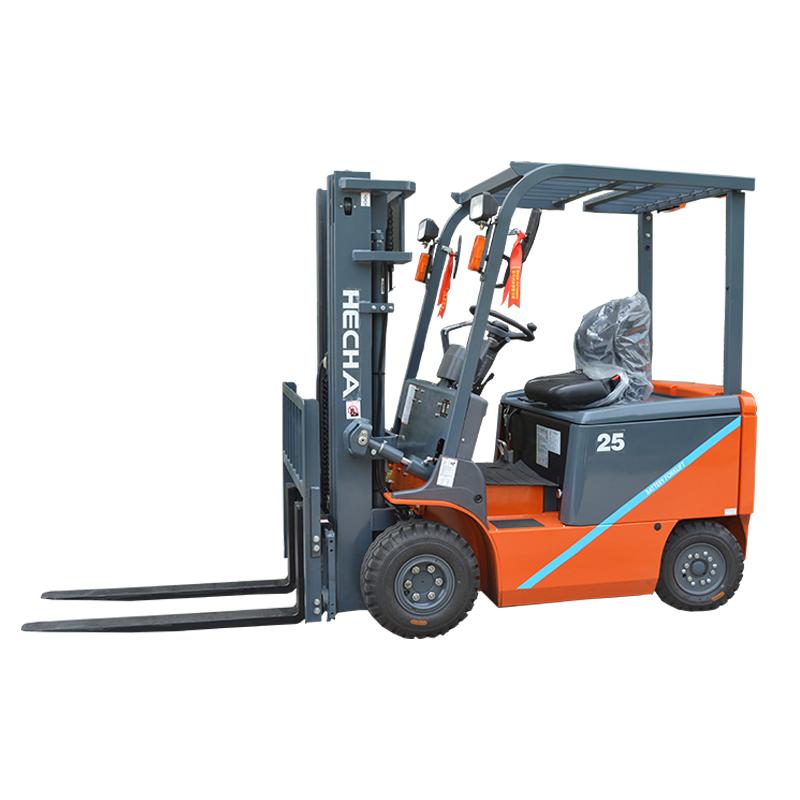
lithium forklifts use sealed cells that accept opportunity charging, meaning an operator can plug in during a break without damaging the pack. There is no watering, no acid to top off, and no memory effect from partial charge cycles. Charging is typically two to three times faster than lead-acid, which matters most in multi-shift facilities where a truck cannot sit idle for eight hours.
Lead-Acid Packs
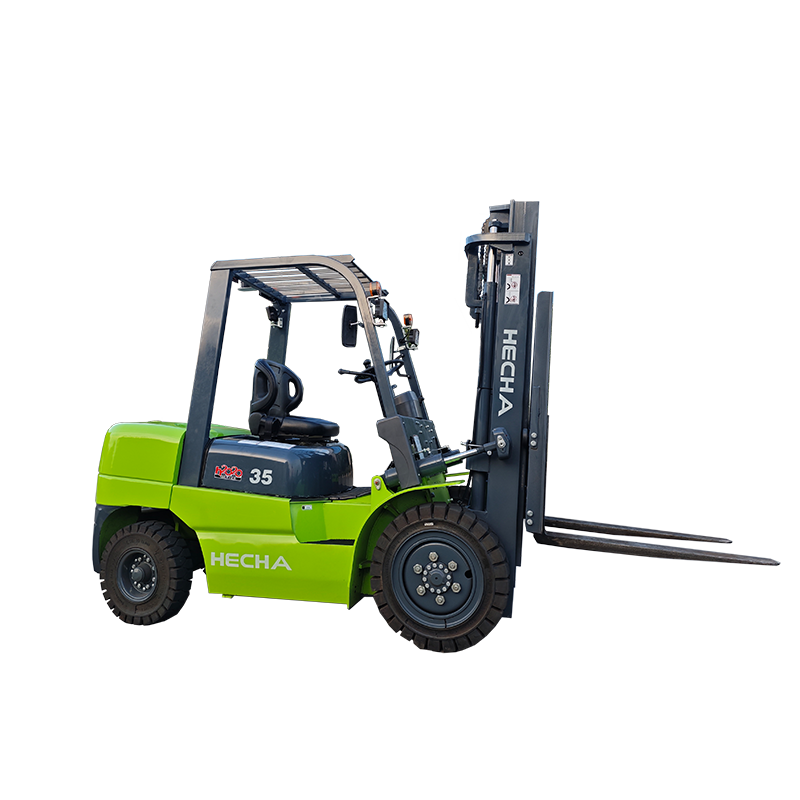
The lead-acid battery forklift remains a proven, lower upfront cost option built on flooded cell technology that has powered warehouse fleets for decades. It requires a full eight hour charge followed by an eight hour cooling period before reuse, along with regular watering and terminal cleaning. For single shift operations with predictable downtime, this schedule is rarely a problem.
Lithium-Ion vs Lead-Acid at a Glance
The table below summarizes how the two chemistries compare across the factors that most affect daily fleet operations.
| Factor | Lithium-Ion | Lead-Acid |
|---|---|---|
| Charge time | 1 to 2 hours typical | 6 to 8 hours typical |
| Opportunity charging | Supported without damage | Not recommended |
| Cooling period after charge | None required | 8 hours recommended |
| Watering or maintenance | Not required | Weekly watering, terminal checks |
| Ventilated charging room | Not required | Required due to gassing |
| Cycle life | 2000 to 3000 cycles | 1000 to 1500 cycles |
| Upfront cost | Higher | Lower |
| Best fit | Multi-shift, high utilization | Single shift, budget conscious |
Where the Efficiency Gains Actually Come From
Efficiency is not just about the battery itself. An electric forklift converts a larger share of stored energy into usable work than a combustion engine, since there is no idle fuel burn, no exhaust heat loss, and regenerative braking recovers energy during lowering and deceleration.
- Regenerative lowering can return a meaningful share of energy back to the battery during repetitive lift cycles
- No idle fuel consumption while the truck is stationary between tasks
- Lithium packs typically deliver consistent voltage output as they discharge, avoiding the power drop-off common in aging lead-acid cells
- Lower internal resistance in lithium cells reduces heat loss during high-current lifting
A facility running three shifts a day gains the most from lithium chemistry, because opportunity charging during breaks removes the need for spare battery swaps entirely.
Maintenance Realities Fleet Managers Should Plan For
Maintenance planning is where the two chemistries diverge most sharply, and it directly affects labor hours and facility layout.
Lithium Maintenance Checklist
- Periodic firmware or battery management system checks per manufacturer schedule
- Visual inspection of connectors and casing for physical damage
- No watering, no equalization charging, no acid handling
Lead-Acid Maintenance Checklist
- Weekly water level checks and topping off with distilled water
- Terminal cleaning to prevent corrosion buildup
- Scheduled equalization charges to balance individual cells
- Ventilated, spill-contained charging area to manage hydrogen gassing
Quiet Operation and Indoor Air Quality
Noise and air quality are often underweighted in purchasing decisions, yet they affect worker fatigue and compliance in enclosed facilities. Both chemistries power motors that run far quieter than combustion engines, which is why an electric sit down forklift is now standard in cold storage, food processing, and pharmaceutical warehouses where sound and fume control are part of the operating permit.
Battery chemistry does still influence the charging environment. Lead-acid charging releases hydrogen gas, which is why charging bays need forced ventilation and spill containment. Lithium charging produces no gassing, allowing battery rooms to be smaller and integrated closer to the operating floor without additional ventilation infrastructure.
Matching a Battery Powered Forklift to Your Operation
The right choice depends less on brand preference and more on shift pattern, budget cycle, and facility layout. The flow below outlines a simple decision path fleet managers can walk through before specifying a truck.
Facility footprint plays a role too. An electric warehouse forklift running lead-acid needs a dedicated, ventilated charging area sized for battery swaps and watering stations. A lithium fleet can charge opportunistically at the point of use, freeing up square footage that would otherwise go to a battery room.
Frequently Asked Questions
Q1: Is a lithium forklift battery always the better choice?
Not necessarily. Lithium suits high utilization, multi-shift environments where fast charging and low maintenance offset the higher upfront price. A single shift operation with ample downtime may get better value from a lead-acid pack.
Q2: How long does a lead-acid forklift battery typically last?
Most flooded lead-acid packs deliver roughly 1000 to 1500 charge cycles when properly watered and equalized, which generally translates to several years of service depending on daily usage intensity.
Q3: Can lithium batteries be charged during short breaks?
Yes. Opportunity charging is one of the main advantages of lithium chemistry, since partial charging does not shorten cell life the way it can with lead-acid batteries.
Q4: Do electric forklifts need a special charging room?
Lead-acid charging produces hydrogen gas and requires a ventilated, spill-contained area. Lithium charging does not gas during normal operation, so it can be located closer to the work area without special ventilation.
Q5: What routine maintenance does an electric sit down forklift battery need?
Lead-acid packs need weekly watering, terminal cleaning, and periodic equalization charging. Lithium packs mainly need visual inspection and periodic battery management system checks, with no watering involved.