English
 中文简体
中文简体 русский
 Français
 Español

Rough terrain forklifts represent a specialized category of material handling equipment designed specifically for challenging outdoor environments. Unlike standard warehouse forklifts that operate on smooth, level surfaces, these heavy-duty machines are engineered to navigate uneven ground, loose soil, gravel, and debris-laden job sites. Their robust construction and enhanced traction capabilities make them indispensable across construction sites, lumber yards, farms, and mining operations where conventional forklifts would prove inadequate.
The global construction and agricultural industries increasingly rely on rough terrain forklift technology to improve productivity and worker safety. Understanding their unique features, operational capabilities, and maintenance requirements is essential for organizations investing in these machines.
Definition and Key Characteristics
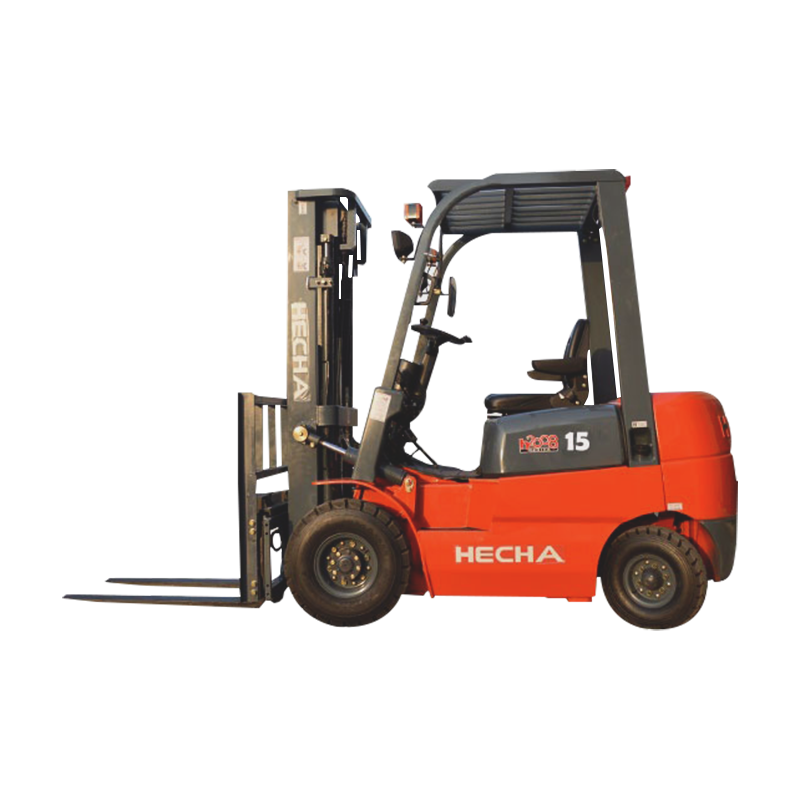
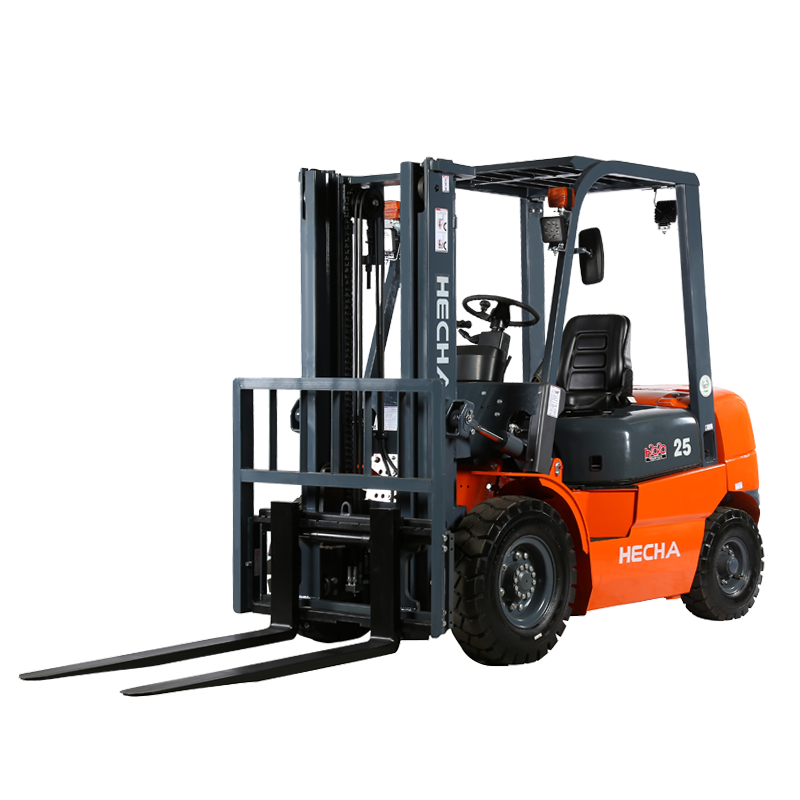
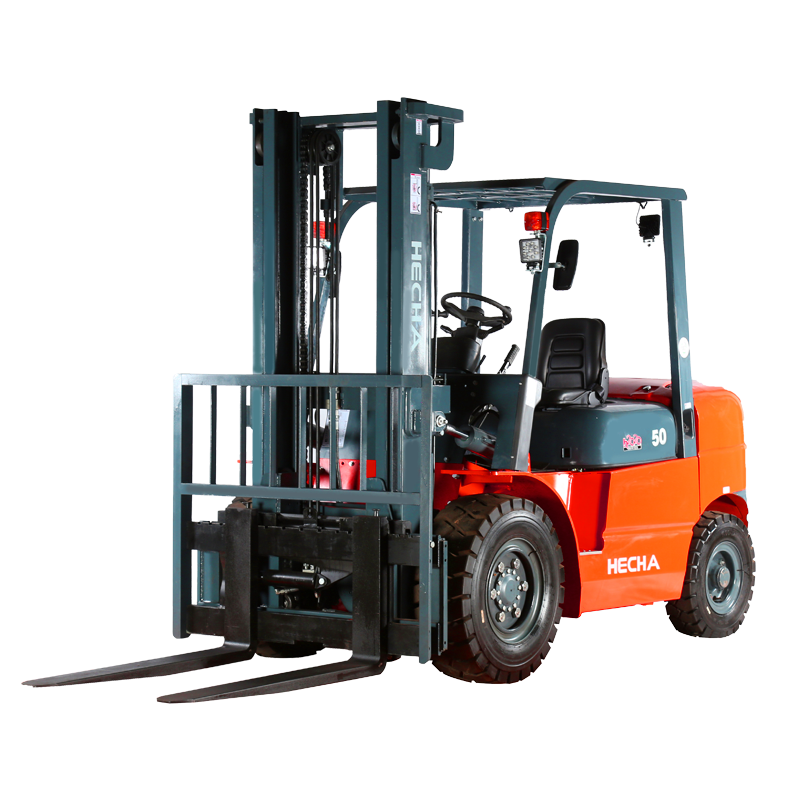
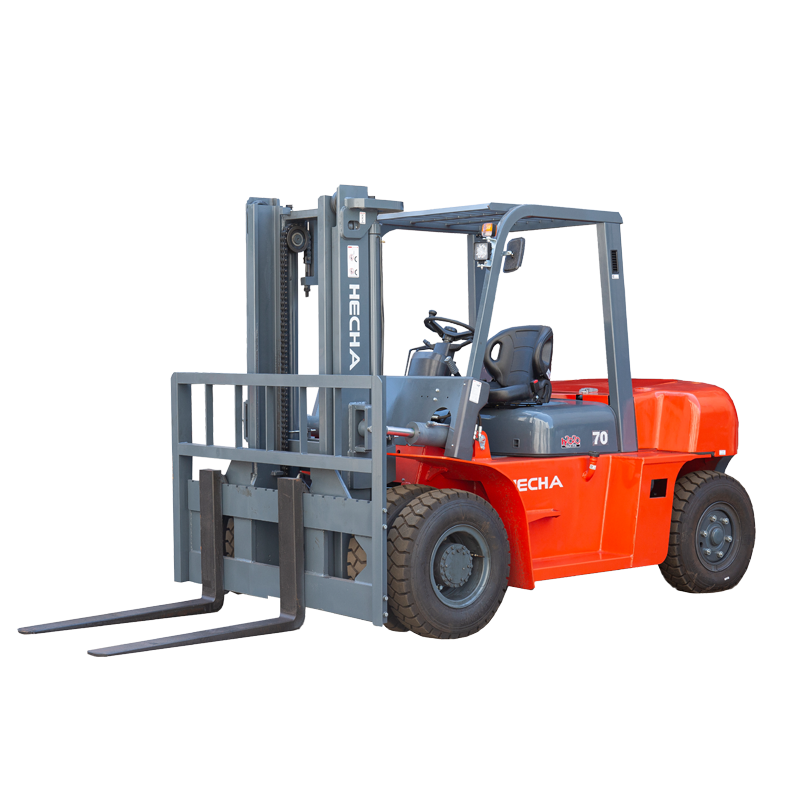
A rough terrain forklift is a purpose-built material handling vehicle featuring large, high-traction tires, a powerful engine, and reinforced chassis designed to operate in unprepared environments. These machines combine the lifting capability of standard forklifts with the mobility characteristics of off-road vehicles.
Primary Design Features
- Large-diameter, deeply-treaded tires providing superior grip on loose and muddy surfaces
- Elevated ground clearance for traversing obstacles and uneven terrain
- Reinforced frame structure absorbing shock loads from rough ground conditions
- Powerful diesel or gasoline engines delivering torque for difficult terrain navigation
- All-terrain or four-wheel drive capability for enhanced traction
- Integrated roll-over protection structures (ROPS) for operator safety
- Extended mast systems for reaching elevated load placement points
Operational Specifications
Most rough terrain forklift trucks operate with load capacities ranging from 5,000 to 19,000 pounds, though specialized models may exceed these parameters. Lift heights typically range from 12 to 32 feet, accommodating diverse application requirements. Fuel tank capacities generally range from 20 to 40 gallons, enabling extended operational periods without refueling.
Rough Terrain Forklifts vs. Conventional Forklifts
| Specification | Rough Terrain Models | Conventional Forklifts |
|---|---|---|
| Operating Surface | Uneven, unprepared terrain | Level, smooth surfaces |
| Tire Type | Deep tread, oversized pneumatic | Standard pneumatic or solid |
| Drive System | Four-wheel or all-terrain | Rear-wheel or three-wheel |
| Ground Clearance | 18-24 inches | 8-12 inches |
| Engine Power | 40-80 horsepower | 25-50 horsepower |
| Typical Applications | Construction, agriculture, mining | Warehouses, distribution centers |
Primary Applications and Industry Use Cases
Construction Sites
Construction represents the largest application segment for rough terrain forklifts. These machines excel at moving building materials across uneven ground, navigating around building foundations, and placing materials at elevation. The ability to operate on loose soil and navigate around obstacles makes them invaluable during site preparation, structural assembly, and finishing phases.
Agricultural Operations
Farms and agricultural businesses utilize rough terrain forklifts for hay bale handling, grain management, and equipment movement. The machines' ability to operate in muddy fields, pastures, and farmyards without conventional infrastructure makes them highly cost-effective for rural operations.
Lumber and Forest Operations
Timber yards require specialized equipment capable of handling heavy logs and lumber products across variable terrain. Rough terrain forklifts provide the necessary load capacity and maneuverability for these demanding applications without requiring extensive site preparation.
Mining and Quarrying
Mining operations frequently deploy rough terrain forklifts for material movement, equipment support, and site logistics. The robust construction withstands the demanding conditions of extractive industries while maintaining operational reliability.
Utility and Infrastructure Maintenance
Utility companies employ these machines for pole placement, cable reel handling, and equipment positioning in locations lacking developed infrastructure. Their versatility supports rapid deployment and efficient material positioning.
Engine Types and Power Systems
Diesel Engines
Diesel-powered rough terrain forklifts dominate commercial and industrial applications. These engines deliver superior torque characteristics beneficial for terrain navigation while providing excellent fuel economy. Diesel options typically offer power outputs between 45 and 80 horsepower, enabling efficient operation across extended work shifts.
Gasoline and LPG Options
Gasoline and liquefied petroleum gas engines serve applications where emissions regulations are stringent or where specific operational requirements necessitate alternative fuel sources. These systems generally offer lower acquisition costs while maintaining adequate power delivery for lighter-duty applications.
Electric and Hybrid Systems
Emerging electric and hybrid-electric rough terrain forklifts address environmental concerns and operational cost management. While currently representing a smaller market segment, these systems demonstrate growing adoption in regions emphasizing sustainability and emissions reduction.
Safety Features and Operator Protection
Roll-Over Protection Structures
ROPS implementation represents a critical safety component in rough terrain forklift design. These reinforced frames prevent catastrophic failure in tip-over events, significantly reducing operator injury severity. Modern designs integrate ROPS seamlessly with operator cab architecture while maintaining visibility and accessibility.
Load Stability Systems
Advanced load moment indicators prevent overload conditions by continuously monitoring load weight distribution, mast angle, and stability margins. Systems alert operators before stability thresholds are exceeded, preventing dangerous tip-over events during normal operations.
Visibility Enhancement
Comprehensive visibility systems incorporate wide-angle mirrors, camera assistance, and lighting arrays ensuring operators maintain awareness of surroundings during daylight and low-light operations. Integrated lighting supports safe operation in early morning, evening, and indoor environments.
Operator Restraint Systems
Integrated seat belts and ergonomic seating designs keep operators securely positioned during operation across challenging terrain. Proper restraint systems prevent operator displacement during sudden stops or unexpected terrain transitions.
Brake and Control Systems
Hydraulic braking systems provide consistent stopping performance across varying terrain conditions. Redundant control systems ensure operation continues safely even during partial system failures, while responsive steering maintains precise maneuverability.
Terrain Performance and Mobility Characteristics
Traction and Grip
Deep-tread tire patterns generate superior traction coefficients on loose, muddy, and debris-covered surfaces where conventional tires would slip. The increased tire volume provides greater contact patches distributing weight across larger surface areas, reducing ground pressure and preventing sinkage in soft soil conditions.
Ground Clearance and Obstacle Navigation
Elevated ground clearance enables traversal over rocks, logs, ruts, and other ground-level obstacles. This capability eliminates extensive site preparation requirements, significantly reducing project timelines and associated labor costs. The machine's ability to navigate naturally challenging terrain expands operational flexibility considerably.
Weight Distribution and Stability
Engineered weight distribution across all wheels maintains stability during operation on slopes and uneven surfaces. Wider track widths enhance lateral stability, while reinforced suspension systems absorb shock loads preventing operator discomfort and equipment damage during continuous terrain transitions.
Steering and Maneuverability
Four-wheel steering configurations enable tight radius turning, allowing operation in confined spaces and around fixed structures. This enhanced maneuverability reduces the space requirements for load positioning, improving work site efficiency and safety.
Maintenance and Operational Considerations
Routine Maintenance Requirements
- Engine oil and filter changes at manufacturer-specified intervals, typically 500 operating hours
- Hydraulic fluid inspections and top-ups to maintain optimal system performance
- Tire pressure monitoring and periodic balancing for uniform wear patterns
- Coolant system maintenance preventing overheating during extended operations
- Battery condition monitoring and terminal cleaning ensuring reliable starting
- Brake fluid inspection and system bleeding eliminating air infiltration
- Fuel filter changes preventing contaminant accumulation and engine damage
Seasonal Maintenance Protocols
Winter operation requires specialized maintenance including coolant concentration adjustments, fuel additives preventing gelling, and tire chain installation for snow and ice conditions. Summer operation demands increased cooling system monitoring and tire pressure adjustments compensating for heat expansion.
Diagnostic and Inspection Procedures
Pre-operation inspections verify ROPS integrity, tire condition, fluid levels, and control responsiveness. Scheduled diagnostic assessments identify potential failures before critical operational impacts occur. Regular load testing confirms lift capacity and stability system functionality across operating ranges.
Operator Training and Certification
Proper operator training significantly impacts equipment longevity and workplace safety. Comprehensive training programs cover terrain assessment, load handling techniques, emergency procedures, and equipment limitations. Industry-recognized certifications validate operator competency and reduce workplace incident rates.
Selecting the Right Forklift for Rough Terrain Applications
Load Capacity Assessment
Determining actual load requirements ensures equipment selection matches operational demands. Analyses should consider not only typical loads but also peak load scenarios and future business expansion. Oversizing capacity provides operational flexibility and equipment longevity, while undersizing restricts productivity and necessitates multiple equipment deployments.
Lift Height Requirements
Evaluating placement heights and stacking requirements guides mast configuration selection. Extended masts enable greater vertical reach but increase machine height and potential instability. Standard configurations balance reach capabilities with operational stability and safety considerations.
Terrain Characteristics
Assessing specific terrain conditions determines whether standard or enhanced traction packages become necessary. Rocky, muddy, or heavily vegetated terrain demands maximum traction features, while relatively stable terrain permits basic configurations reducing acquisition costs.
Operational Environment
Environmental factors including temperature extremes, precipitation patterns, and air quality influence engine selection and material specifications. Coastal operations require corrosion-resistant components, while high-altitude applications demand specialized engine tuning.
Total Cost of Ownership
Comprehensive financial analyses encompass acquisition costs, fuel consumption, maintenance expenses, operator training, and residual values. Machines with superior fuel efficiency and lower maintenance requirements often deliver better economic outcomes despite higher initial investments.
Advantages and Competitive Benefits
Site Flexibility and Reduced Preparation
Eliminating extensive site preparation significantly accelerates project timelines and reduces labor investments. Operations commence immediately upon arrival, while conventional equipment deployments require infrastructure development and ground stabilization.
Enhanced Productivity
Superior maneuverability and terrain capability enable efficient material positioning across challenging environments. Operators accomplish tasks with fewer intermediate positioning movements, improving throughput and reducing operational timelines.
Improved Safety Outcomes
Integrated safety features and superior terrain stability reduce accident likelihood and injury severity. Operator confidence increases when navigating challenging terrain with equipment specifically engineered for those conditions.
Operational Versatility
Multi-purpose capability enables single equipment deployment across diverse applications and terrain conditions. This versatility reduces capital requirements and improves asset utilization compared to situation-specific equipment.
Long-Term Equipment Durability
Robust construction and professional maintenance protocols extend service life considerably compared to standard forklifts operating in demanding environments. Equipment designed for challenging conditions outperforms under-specified alternatives, reducing replacement frequency.
Operational Limitations and Practical Constraints
Environmental Impact Considerations
Diesel-powered rough terrain forklifts produce emissions subject to increasing regulatory scrutiny. Operations in environmentally sensitive regions may require pollution control equipment or alternative power sources, increasing acquisition and operational costs.
Ground Surface Protection
Large tire footprints and heavy machine weight can damage finished surfaces including asphalt, concrete, and landscaping. Care must be exercised when transitioning between site phases or operating near environmentally sensitive areas.
Fuel Consumption Rates
High-performance engines consuming fuel at rates of 6-15 gallons per 8-hour shift generate substantial operational expenses. Projects spanning extended periods demand careful fuel supply planning and storage infrastructure.
Noise Generation
Diesel engine noise often exceeds 85 decibels, necessitating hearing protection in extended operations and creating disturbance concerns in residential or sensitive areas. This limitation may restrict operational windows in some jurisdictions.
Weather Sensitivity
Extreme weather conditions including heavy rainfall, flooding, snow accumulation, and high winds restrict safe operation. Equipment may require relocation or storage, complicating project scheduling and resource allocation.
Emerging Technologies and Future Innovations
Electric Power Systems
Battery electric rough terrain forklifts represent the fastest-growing segment in material handling innovation. These systems eliminate tailpipe emissions, reduce operational noise, and provide lower cost-per-hour operation. Extended battery technologies enable full-shift operation without recharging, while reducing total cost of ownership in high-utilization environments.
Autonomous Operation Capabilities
Automated guidance systems and autonomous load positioning systems increase safety and operational efficiency. Remote operation capability enables deployment in hazardous environments, while automated functions reduce operator fatigue during repetitive tasks.
Advanced Telematics Integration
Real-time equipment monitoring tracks operational metrics, maintenance requirements, and utilization patterns. Predictive maintenance algorithms forecast component failures, preventing unexpected downtime and optimizing service scheduling.
Hybrid Power Solutions
Hybrid-electric systems combine internal combustion engines with electric motors, optimizing fuel consumption and reducing emissions. Regenerative braking captures energy during descent operations, improving overall system efficiency.
Smart Load Handling Systems
Advanced load moment indicators combined with artificial intelligence predict stability margins and automatically prevent overload conditions. These systems learn operator patterns and provide real-time guidance optimizing safe load handling.
Regulatory Compliance and Industry Standards
International Safety Standards
International Organization for Standardization (ISO) standards establish minimum design, construction, and safety requirements for rough terrain forklifts. Equipment compliance ensures operator protection and liability risk mitigation. Common applicable standards address load handling capacity, stability testing, and operational safety features.
Emissions Regulations
Increasingly stringent emissions standards in developed nations restrict particulate matter and nitrogen oxide discharge. Compliance requires advanced engine technologies, particulate filters, and catalytic converters increasing equipment costs while reducing environmental impact.
Operator Certification Requirements
Many jurisdictions mandate operator certification through accredited training programs. Certification processes verify competency in equipment operation, terrain assessment, load handling, and emergency procedures. Employers face substantial liability if operating uncertified personnel.
Workplace Safety Regulations
Occupational safety and health regulations establish equipment inspection frequencies, maintenance documentation requirements, and workplace safety protocols. Compliance requires systematic record maintenance and adherence to prescribed procedures.
Insurance and Liability Considerations
Equipment insurers typically mandate maintenance schedules, operator training, and safety equipment compliance. Insurance claims may be denied if equipment condition or operational procedures fail to meet policy requirements.
Frequently Asked Questions
Q1: What is the difference between a rough terrain forklift and a telehandler?
While both operate in outdoor environments, rough terrain forklifts feature fixed vertical masts and superior load capacity, while telehandlers offer telescoping booms enabling diagonal reach and placement versatility. Telehandlers provide greater reach and placement flexibility, but rough terrain forklifts deliver superior vertical lift capacity and stability. Equipment selection depends on specific application requirements and load positioning needs.
Q2: How often should rough terrain forklifts undergo maintenance?
Manufacturers typically recommend comprehensive service intervals every 500 operating hours or annually, whichever occurs first. Daily pre-operation inspections assess tire condition, fluid levels, and control responsiveness. Seasonal maintenance adjusts cooling systems and addresses weather-specific wear patterns. Heavy-use operations may require more frequent service intervals to maintain safety and reliability.
Q3: Can rough terrain forklifts operate indoors or on finished surfaces?
While technically capable of indoor operation, rough terrain forklifts are not optimal for indoor use due to tire damage to finished surfaces, excessive noise, and emissions concerns. Standard warehouse forklifts designed for indoor use provide superior performance and minimal environmental impact. Rough terrain forklifts should be reserved for outdoor applications where their unique capabilities provide clear operational advantages.
Q4: What safety training do operators require before equipment operation?
Comprehensive operator training covers equipment controls, terrain assessment, load handling techniques, stability principles, emergency procedures, and regulatory compliance. Industry-recognized certification programs typically require 8-12 hours of instruction combining classroom theory with hands-on supervised operation. Annual refresher training maintains proficiency and introduces new procedures or equipment modifications.
Q5: How does rough terrain forklift cost compare to conventional warehouse forklifts?
Rough terrain forklifts typically cost 40-60 percent more than comparable-capacity warehouse models due to reinforced construction, powerful engines, and advanced tire systems. However, when evaluated on total cost of ownership across multiple years and high utilization, rough terrain forklifts often deliver superior value through extended service life, reduced downtime, and enhanced productivity in appropriate applications.
Q6: What load capacities and lift heights are available?
Standard rough terrain forklifts feature load capacities from 5,000 to 19,000 pounds with lift heights ranging 12 to 32 feet. Specialized models designed for specific applications may exceed these parameters, offering loads up to 40,000 pounds or lift heights exceeding 35 feet. Equipment specifications should match actual requirements, balancing capability with stability and operational safety.
Q7: Are electric rough terrain forklifts commercially viable?
Modern lithium-ion battery technology enables full-shift electric operation without recharging. While electric models currently represent a smaller market segment and involve higher initial investment, they deliver lower operating costs and zero-emission performance. Adoption rates are increasing in regions emphasizing environmental responsibility and where electricity costs are favorable compared to diesel fuel.
Q8: How do weather conditions impact rough terrain forklift operation?
Extreme weather restricts safe operation. Heavy rainfall reduces traction and visibility, while flooding creates hazards and potential equipment damage. Snow and ice require specialized tire chains and reduced operating speeds. High winds may compromise stability, particularly when operating with elevated loads or extended masts. Operators must assess weather conditions before commencing operations and implement appropriate safety measures.