English
 中文简体
中文简体 русский
 Français
 Español

Introduction to Electric and Diesel Forklifts
Forklifts are essential tools in modern logistics and warehouse operations. Among the various types, electric forklifts and diesel forklifts are the most widely used. Each type has unique characteristics, making them suitable for different operational environments. Understanding their differences helps businesses optimize cost, efficiency, and safety.
Electric forklifts operate using rechargeable batteries, while diesel forklifts rely on combustion engines powered by diesel fuel. This fundamental distinction impacts maintenance, performance, and environmental considerations.
Power Source and Energy Efficiency
The primary difference between electric forklifts and diesel forklifts lies in their power source. Electric forklifts use batteries that can range from 24V to 80V depending on load capacity. Diesel forklifts rely on internal combustion engines, consuming fuel during operation.
Battery Technology in Electric Forklifts
Modern electric forklifts utilize advanced battery technology, including lead-acid and lithium-ion options. Lithium-ion batteries provide faster charging times, longer operational cycles, and reduced maintenance compared to traditional lead-acid batteries.
Fuel Efficiency in Diesel Forklifts
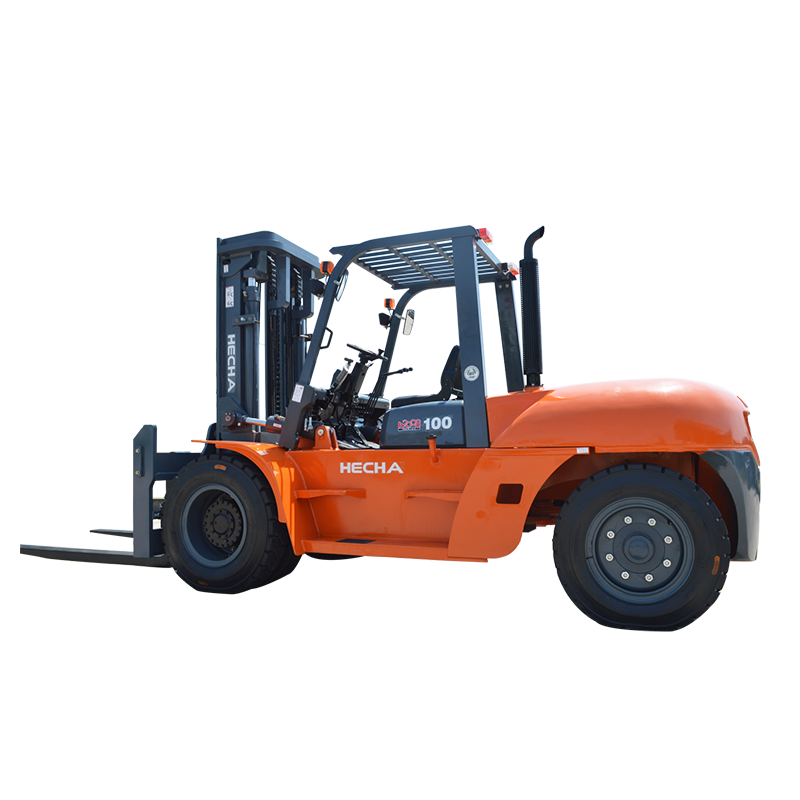
Diesel forklifts generally offer higher power output, making them suitable for outdoor operations and heavy-duty lifting. However, diesel engines consume more energy overall, particularly in stop-and-go warehouse environments.
Operational Environment Considerations
Choosing the right forklift type depends heavily on the working environment. Factors such as indoor air quality, noise regulations, and space constraints affect operational suitability.
Indoor Use and Air Quality
Electric forklifts produce zero emissions, making them ideal for indoor warehouses and food or pharmaceutical facilities where air quality is critical. Diesel forklifts emit exhaust fumes and are generally restricted to outdoor operations or well-ventilated areas.
Noise Levels and Worker Comfort
Electric forklifts operate silently compared to diesel forklifts, which generate significant engine noise. Lower noise levels improve worker comfort and reduce the need for hearing protection in indoor settings.
Performance and Lifting Capabilities
Diesel forklifts are often favored for heavy-duty applications due to their higher torque output and continuous operation capabilities. However, advances in electric motor technology have narrowed the performance gap.
Load Capacity and Speed
Electric forklifts are suitable for light to medium loads, while diesel forklifts excel in lifting heavy loads over extended periods. Electric models have improved acceleration and lifting precision, which is beneficial in confined spaces.
Maintenance and Longevity
Electric forklifts have fewer moving parts, resulting in lower maintenance requirements and reduced operational downtime. Diesel forklifts require regular engine servicing, oil changes, and emission checks, which can increase total operating costs over time.
Cost Analysis and Total Ownership
While diesel forklifts often have lower upfront costs, electric forklifts offer significant savings in fuel, maintenance, and compliance with environmental regulations. Total cost of ownership should consider the full lifecycle, including energy expenses and maintenance schedules.
Initial Investment vs Operational Expenses
Electric forklifts generally require a higher initial investment due to battery costs. However, reduced energy and maintenance expenses often offset this over the vehicle’s operational lifespan.
Environmental Incentives
Many regions offer incentives for adopting battery powered forklifts, such as tax credits or grants, further improving the financial attractiveness of electric models compared to diesel alternatives.
Technological Advancements and Future Trends
The evolution of electric forklift technology continues to close the gap with diesel forklifts. Battery innovations, regenerative braking systems, and smart fleet management solutions are increasing efficiency and versatility.
Battery Improvements
Emerging battery technologies provide faster charging, longer operational cycles, and improved safety, making electric forklifts increasingly competitive for a wider range of applications.
Digital Fleet Management
Integration of IoT and telematics allows fleet managers to monitor battery usage, predict maintenance, and optimize routes. This increases productivity while reducing operational costs and unexpected downtime.
Comparison Table: Electric vs Diesel Forklifts
| Feature | Electric Forklift | Diesel Forklift |
| Power Source | Battery powered | Diesel engine |
| Emissions | Zero emissions | Exhaust gases |
| Noise | Low | High |
| Maintenance | Low | High |
| Operational Cost | Lower over time | Higher due to fuel and servicing |
| Indoor Suitability | Excellent | Limited |
| Outdoor Heavy Loads | Moderate | Excellent |
Conclusion
Both electric forklifts and diesel forklifts have distinct advantages and limitations. Electric forklifts are ideal for indoor operations, environmentally conscious facilities, and applications requiring lower noise levels. Diesel forklifts remain suitable for outdoor and heavy-duty environments where high power and continuous operation are necessary. Selecting the right type requires a careful assessment of operational needs, total cost of ownership, and long-term efficiency objectives.
FAQ
Q1: How long does a battery powered forklift operate on a single charge?
Operational time depends on battery type and load. Modern lithium-ion batteries can last 6-8 hours under normal warehouse conditions, while lead-acid batteries may require mid-shift recharging.
Q2: Can electric forklifts be used outdoors?
Yes, but they are best suited for flat, paved surfaces. Extreme weather and uneven terrain may affect battery performance and traction.
Q3: What maintenance does an electric forklift require?
Maintenance includes battery checks, electrolyte level monitoring for lead-acid batteries, periodic inspections of motors, brakes, and hydraulic systems. Overall, it is less frequent than diesel forklifts.
Q4: Are electric forklifts more expensive than diesel forklifts?
Electric forklifts often have higher initial costs due to battery investment, but lower operational and maintenance costs make them cost-effective over the long term.
Q5: How does battery life compare with diesel engine lifespan?
Battery lifespan varies, typically 4-6 years for lithium-ion batteries. Diesel engines can last longer with proper maintenance but incur higher ongoing servicing costs.