English
 中文简体
中文简体 русский
 Français
 Español

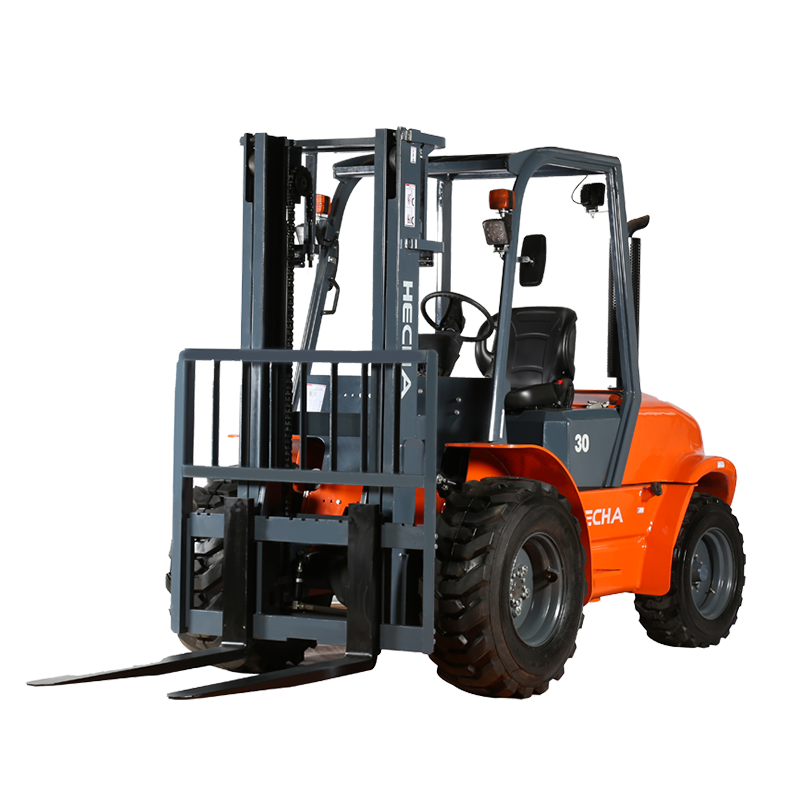
The 4WD Rough Terrain Forklift has become an essential asset in industries that demand robust handling and mobility over uneven and challenging surfaces. Unlike standard warehouse forklifts, these vehicles operate in more strenuous environments, making maintenance management a critical concern for operators.
Overview of 4WD Rough Terrain Forklift maintenance
Maintaining a 4WD Rough Terrain Forklift is considerably different from standard forklifts due to its enhanced off-road capabilities. The robust design, larger tires, advanced suspension, and specialized drivetrain require regular inspection and preventive care. Maintenance challenges generally arise from frequent exposure to harsh conditions such as mud, gravel, uneven terrain, and variable weather. While routine checks are necessary, unexpected breakdowns can still occur if preventive measures are insufficient.
Key components prone to maintenance challenges
A 4WD Rough Terrain Forklift contains several systems that are particularly susceptible to wear and degradation. Understanding these areas is crucial for developing an effective maintenance plan.
| Component | Typical Maintenance Challenges | Impact on Operations |
|---|---|---|
| Engine | Exposure to dust and debris; inconsistent fuel quality; overheating risk | Reduced power, potential engine failure |
| Transmission | Frequent load changes; off-road stress; fluid contamination | Gear slipping, delayed response, potential downtime |
| Hydraulic system | Fluid leaks; hose wear; pump degradation | Reduced lifting capacity, slower operations |
| Tires and wheels | Abrasion on rough surfaces; punctures; uneven wear | Reduced traction, increased risk of accidents |
| Electrical system | Moisture ingress; vibration-induced wiring issues | Malfunctions, sensor failures, starting problems |
This table highlights the areas that operators should monitor closely. Proper attention to these components can minimize downtime and extend the working life of the forklift.
Engine-related maintenance challenges
The engine is arguably the most critical component of a 4WD Rough Terrain Forklift. Due to off-road operations, engines are exposed to high dust concentrations, moisture, and fluctuating loads, all of which increase maintenance requirements.
Fuel quality is a recurring challenge. Poor-quality diesel or contaminated fuel can cause injector blockages and incomplete combustion. Regular fuel filter changes and monitoring fuel storage conditions are essential preventive steps. Additionally, overheating can occur if the cooling system is compromised by dirt accumulation or coolant degradation. Regular radiator inspections and coolant replacements are recommended to avoid catastrophic failures.
Another challenge is engine vibration. Operating on uneven terrain produces additional mechanical stress, accelerating wear on belts, mounts, and ancillary components. Engine vibration also affects connected systems, such as the transmission and electrical wiring, which may require simultaneous inspections.
Transmission and drivetrain issues
A 4WD Rough Terrain Forklift relies on a robust transmission and drivetrain to transfer power efficiently across all wheels. The 4WD system is particularly prone to mechanical stress due to constant torque fluctuations and off-road load variations.
Transmission fluid contamination is a common concern. Dirt ingress or degraded fluid can impair gear lubrication, leading to gear slippage or overheating. Scheduled fluid checks, proper sealing of components, and adherence to manufacturer-recommended fluid types can prevent these issues.
The drivetrain, including axles, differential, and driveshafts, is also vulnerable to misalignment and wear. Off-road operation increases the risk of joint fatigue, particularly in universal joints and CV joints. Regular inspection and timely replacement of worn components are crucial to maintain operational efficiency.
| Drivetrain Component | Maintenance Challenge | Recommended Action |
|---|---|---|
| Axles | Wear due to uneven loads | Lubrication, visual inspection, alignment check |
| Driveshaft | Joint fatigue | Replace worn U-joints, inspect for cracks |
| Differentials | Fluid contamination | Scheduled oil changes, filter replacements |
Hydraulic system challenges
The hydraulic system of a 4WD Rough Terrain Forklift powers critical functions such as mast lifting, tilt control, and attachment operation. Hydraulic components face constant pressure fluctuations, abrasive contamination, and potential leaks.
Hydraulic fluid leaks are a frequent maintenance challenge. Small leaks can escalate to major failures if not addressed promptly. Hose inspections and proper tightening of fittings are essential. Additionally, hydraulic pump wear is common due to prolonged high-pressure operation, which can reduce lifting efficiency and response speed.
Operators must also monitor cylinder integrity. Pistons, seals, and rods are susceptible to abrasion and corrosion, particularly in wet or muddy conditions. Regular cleaning, seal replacement, and system flushing can mitigate these challenges and ensure safe operation.
Tire and wheel maintenance
Tires are a defining feature of 4WD Rough Terrain Forklift, enabling traction on uneven surfaces. However, rough terrain increases the likelihood of punctures, cuts, and uneven tread wear.
Tire rotation and pressure management are critical to balance wear and prevent structural failures. Additionally, the use of off-road-specific tires with reinforced sidewalls reduces vulnerability to sharp objects. Operators should also inspect wheels and rims for cracks caused by repeated impacts or overloading.
Uneven tire wear can negatively impact stability and handling, increasing the risk of tip-overs or skidding. Therefore, regular alignment checks are essential for both performance and safety.
Electrical system and sensor issues
Modern 4WD Rough Terrain Forklift models include advanced electrical systems for engine management, sensors, lighting, and auxiliary components. These systems face challenges from vibration, moisture, and dust ingress.
Loose or corroded connections can cause intermittent failures or prevent the forklift from starting. Regular inspection of wiring harnesses, battery terminals, and grounding points is necessary. Moisture protection, such as sealed connectors and protective routing, is highly recommended for forklifts operating in wet or humid environments.
Faulty sensors can also impact load monitoring, mast control, and engine diagnostics. Ensuring the integrity of sensor wiring and cleaning sensor surfaces can reduce false readings and system malfunctions.
Environmental and operational challenges
The operational environment of a 4WD Rough Terrain Forklift significantly influences maintenance needs. Exposure to mud, sand, snow, and chemicals accelerates wear on all systems, including engine, hydraulic, tires, and electrical components. Regular cleaning and inspection routines are crucial to prevent corrosion, clogging, and mechanical stress.
Operator practices also contribute to maintenance challenges. Improper loading, abrupt maneuvers, and overloading increase strain on all forklift components, leading to faster deterioration and more frequent repairs. Training operators on best practices can reduce these risks.
Developing a maintenance plan
An effective maintenance plan for a 4WD Rough Terrain Forklift must combine preventive, predictive, and corrective strategies:
- Preventive maintenance: Regular inspections, lubrication, fluid replacement, and scheduled component servicing.
- Predictive maintenance: Monitoring system performance using onboard diagnostics, vibration analysis, and thermal imaging.
- Corrective maintenance: Timely repair of detected faults before they escalate into major failures.
Integrating maintenance records into a fleet management system allows operators to track component life, schedule repairs, and optimize downtime.
Common maintenance checklist
The following table presents a sample maintenance checklist for 4WD Rough Terrain Forklift, highlighting frequent inspection points and intervals:
| Component | Inspection Frequency | Notes |
|---|---|---|
| Engine oil & filters | Every 250 hours | Replace oil, check filter integrity |
| Transmission fluid | Every 500 hours | Check level, inspect for contamination |
| Hydraulic system | Every 200 hours | Inspect hoses, fluid levels, seals |
| Tires & wheels | Weekly | Check pressure, tread, and alignment |
| Electrical system | Monthly | Inspect wiring, battery, connectors |
| Brakes & steering | Monthly | Test functionality, inspect components |
| Mast & forks | Weekly | Check for cracks, alignment, lubrication |
This structured approach ensures consistent monitoring and reduces the likelihood of unexpected failures.
Advanced monitoring techniques
Implementing advanced monitoring technologies can further mitigate maintenance challenges. Telematics, vibration sensors, and load analysis systems provide real-time data on forklift performance. These tools enable early detection of issues such as overloading, excessive vibration, or hydraulic leaks, allowing proactive intervention.
Predictive analytics also helps optimize component replacement cycles, ensuring that parts are replaced before failure, reducing downtime and repair costs.
Operator training and best practices
Proper operator training is integral to reducing maintenance challenges. Operators should be educated on:
- Correct handling of uneven terrain and heavy loads
- Safe acceleration, braking, and turning techniques
- Routine inspections and reporting of abnormal noises or leaks
- Importance of maintaining proper tire pressure and hydraulic levels
Well-trained operators contribute to longer equipment life and fewer unexpected repairs.
Conclusion
Maintaining a 4WD Rough Terrain Forklift involves managing a complex interplay of mechanical, hydraulic, electrical, and operational factors. Common challenges include engine wear, transmission stress, hydraulic leaks, tire damage, and electrical malfunctions. These challenges are compounded by harsh environmental conditions and operational practices. By implementing structured maintenance plans, monitoring technologies, and operator training programs, businesses can maximize operational efficiency, reduce downtime, and extend the lifespan of their forklifts.
FAQ
Q1: How often should I perform maintenance on a 4WD Rough Terrain Forklift?
Routine checks should be conducted weekly, with detailed inspections every 250–500 operating hours depending on component and usage intensity.
Q2: What is the most common cause of hydraulic failure in 4WD Rough Terrain Forklift?
Hydraulic failure often results from fluid leaks, hose abrasion, and pump wear due to high-pressure operation.
Q3: Can improper tire maintenance affect forklift stability?
Yes, uneven tire wear or incorrect pressure can reduce traction, increasing the risk of tip-overs or slippage.
Q4: How can operator training reduce maintenance challenges?
Proper training ensures correct handling, avoids overloading, and encourages timely reporting of issues, all of which prolong component life.
Q5: Are advanced monitoring systems necessary for maintenance?
While not strictly necessary, telematics and predictive monitoring significantly enhance preventive maintenance and reduce unexpected downtime.
References
- Industrial Vehicle Maintenance Handbook, 2021 Edition.
- Off-Road Forklift Operation and Safety Guidelines, International Material Handling Association, 2020.
- Preventive Maintenance Strategies for Rough Terrain Equipment, Journal of Heavy Equipment Engineering, 2022.