English
 中文简体
中文简体 русский
 Français
 Español

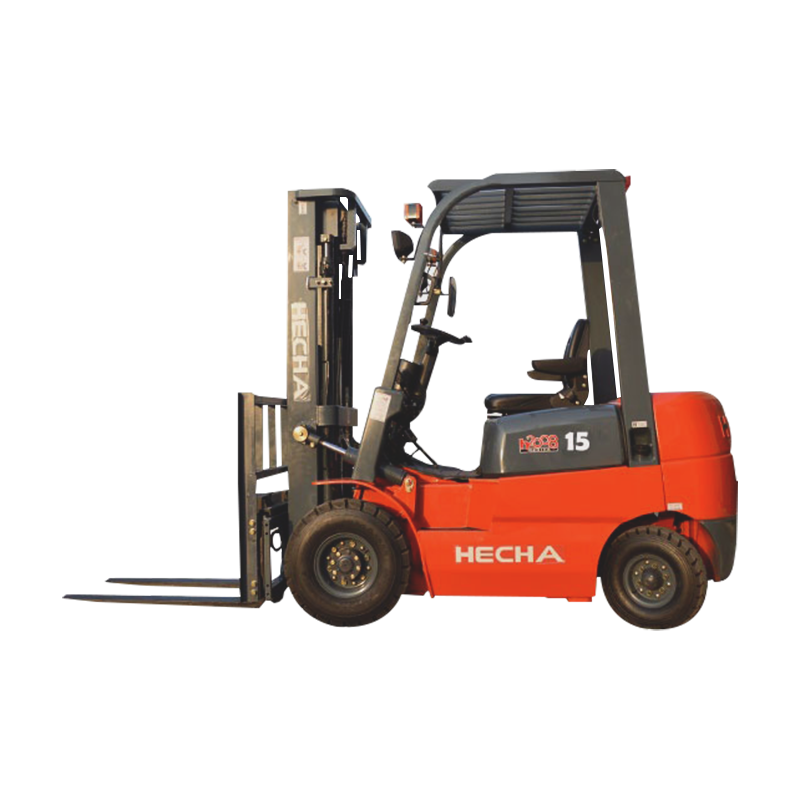
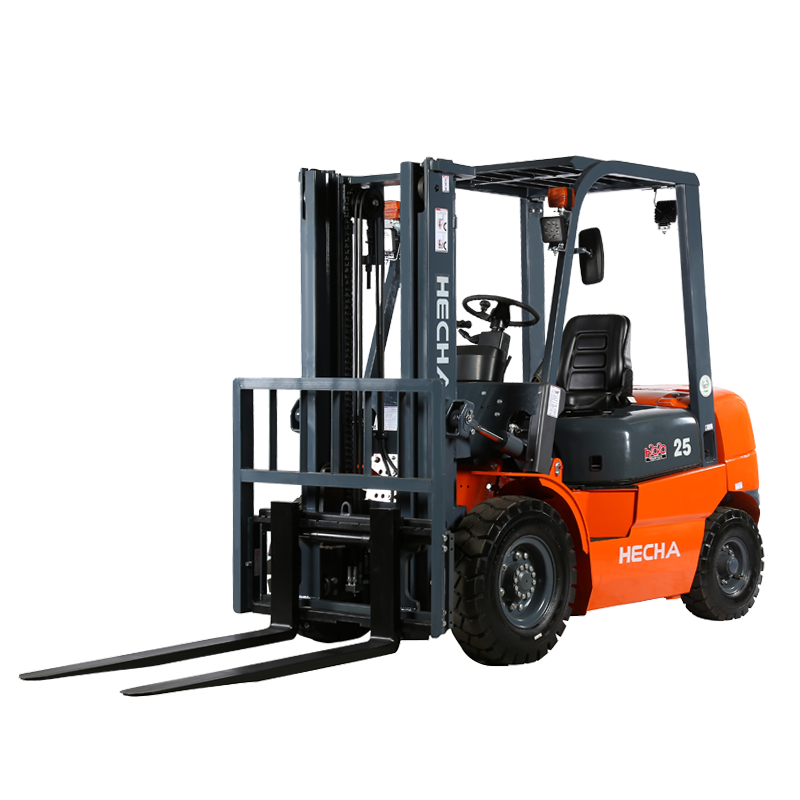
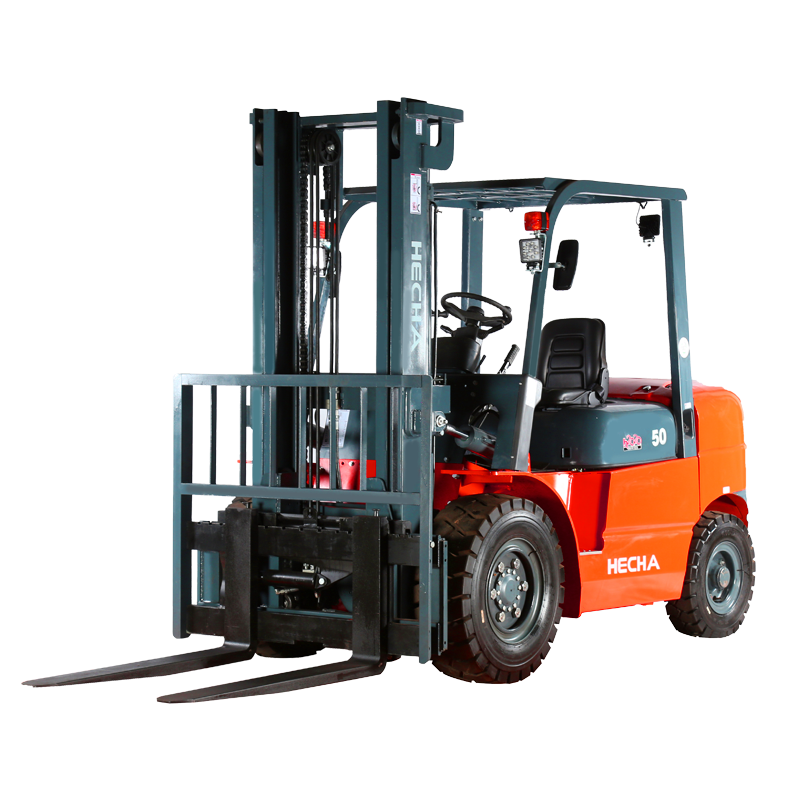
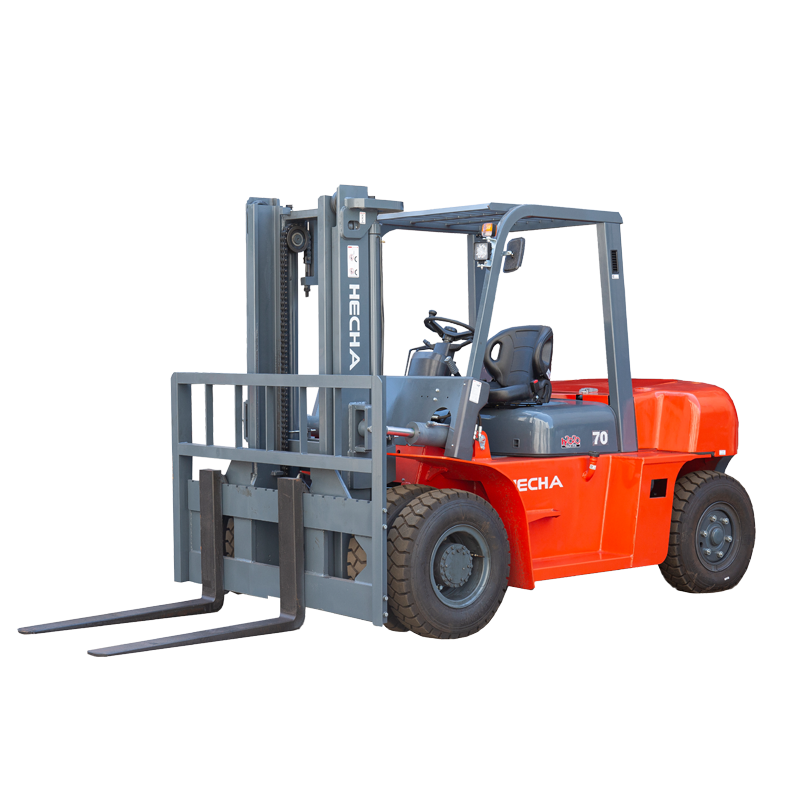
In material handling and industrial operations, the selection of the appropriate forklift plays a crucial role in achieving operational efficiency and safety. Among various options, the 4.0 - 5.0 Ton Diesel Forklift and the 3.0 Ton Diesel Forklift are widely used in warehouses, manufacturing plants, and logistics centers.
Load Capacity and Lifting Performance
One of the most immediate differences between 4.0 - 5.0 Ton Diesel Forklift and 3.0 Ton Diesel Forklift is their load-handling capacity. The 4.0 - 5.0 Ton Diesel Forklift is designed to lift heavier loads, making it suitable for operations requiring frequent handling of large pallets, bulk materials, or heavy equipment. Conversely, the 3.0 Ton Diesel Forklift is more suitable for standard warehouse applications with moderate load requirements.
Table 1: Load capacity comparison
| Specification | 3.0 Ton Diesel Forklift | 4.0 - 5.0 Ton Diesel Forklift |
|---|---|---|
| Rated load capacity | 3,000 kg | 4,000 – 5,000 kg |
| Maximum lifting height | 3 – 6 meters | 3 – 6 meters (with reinforced mast options) |
| Load center distance | 500 mm | 500 mm |
| Recommended pallet size | Standard | Standard or oversized |
As indicated in Table 1, the 4.0 - 5.0 Ton Diesel Forklift offers a higher rated load capacity, providing flexibility for handling larger or denser loads. This capability reduces the need for multiple lifting cycles, improving overall workflow efficiency.
Engine and Fuel Efficiency
Both forklifts are powered by diesel engines, but differences exist in engine output, fuel efficiency, and emission levels. The 4.0 - 5.0 Ton Diesel Forklift generally incorporates a more powerful engine to support heavier lifting operations and maintain consistent performance under load. Diesel engine efficiency and fuel consumption optimization are critical factors for industrial users aiming to reduce operational costs.
Table 2: Engine specifications comparison
| Feature | 3.0 Ton Diesel Forklift | 4.0 - 5.0 Ton Diesel Forklift |
|---|---|---|
| Engine type | 3-cylinder diesel | 4-cylinder diesel |
| Engine power | 35 – 45 kW | 50 – 70 kW |
| Fuel tank capacity | 70 – 80 L | 90 – 120 L |
| Average fuel consumption | Moderate | Slightly higher but optimized for load |
While the 4.0 - 5.0 Ton Diesel Forklift consumes more fuel per hour due to its engine size, the consumption is optimized for heavy-duty lifting, ensuring that productivity gains outweigh the additional fuel cost. Operators must also consider fuel type compatibility and maintenance requirements to maximize engine longevity.
Operational Stability and Safety Features
The stability of a forklift directly impacts safety and efficiency, particularly when handling heavy loads. The 4.0 - 5.0 Ton Diesel Forklift is equipped with reinforced chassis structures and counterweights to maintain stability under higher loads. Additionally, modern forklifts in this class feature advanced operator assistance systems and safety mechanisms.
Key safety differences include:
- Enhanced mast design to reduce forward tipping risk
- Load-sensing hydraulic systems for controlled lifting
- Operator restraint and seatbelt systems for improved protection
- Anti-slip surfaces and ergonomic cab design to reduce fatigue
Although the 3.0 Ton Diesel Forklift shares many of these features, the 4.0 - 5.0 Ton Diesel Forklift places greater emphasis on structural reinforcement and load management, making it more suitable for environments where heavier loads are frequent.
Maneuverability and Workspace Requirements
A common consideration in forklift selection is maneuverability, especially in confined spaces or narrow aisles. Due to its larger size and higher load capacity, the 4.0 - 5.0 Ton Diesel Forklift typically requires a wider turning radius compared to the 3.0 Ton Diesel Forklift. Operators must plan warehouse layouts and aisle widths accordingly to ensure smooth operations.
Despite the size difference, technological enhancements such as power steering systems and enhanced visibility cabs allow operators to maintain precise control even in restricted spaces. Choosing the right forklift involves balancing load capacity with operational flexibility.
Maintenance and Lifecycle Considerations
Maintenance requirements are an essential factor in long-term operational planning. The 4.0 - 5.0 Ton Diesel Forklift generally involves higher maintenance demands due to its engine size and heavier workload. Key aspects include:
- Hydraulic system maintenance: heavier loads increase hydraulic fluid stress.
- Tire replacement frequency: larger loads accelerate wear.
- Engine servicing intervals: high-output engines require regular checks.
However, the durability of the 4.0 - 5.0 Ton Diesel Forklift ensures that, when properly maintained, the total lifecycle cost can be comparable to multiple 3.0 Ton Diesel Forklifts used in high-load operations.
Application Scenarios
The choice between a 4.0 - 5.0 Ton Diesel Forklift and a 3.0 Ton Diesel Forklift often depends on the operational scenario.
4.0 - 5.0 Ton Diesel Forklift is ideal for:
- Industrial warehouses with bulk material handling
- Ports and logistics centers requiring heavy pallet movement
- Manufacturing plants handling machinery or large components
3.0 Ton Diesel Forklift is suitable for:
- Standard warehouse shelving
- Light manufacturing facilities
- Retail distribution centers
These distinctions help operators select the most cost-effective and efficient equipment for their specific needs.
Cost and Total Cost of Ownership
While the upfront investment in a 4.0 - 5.0 Ton Diesel Forklift may be higher than a 3.0 Ton Diesel Forklift, the total cost of ownership should consider factors such as:
- Productivity gains from handling heavier loads in fewer cycles
- Reduced operational downtime due to enhanced stability and safety
- Extended service life with proper maintenance
Selecting the forklift should involve analyzing both short-term capital expenditure and long-term operational savings.
Technological Enhancements and Operator Comfort
Modern 4.0 - 5.0 Ton Diesel Forklift models often include features that improve operator comfort and efficiency:
- Ergonomic seat design and adjustable controls
- Noise reduction technologies in the engine compartment
- Digital display panels providing load and operational metrics
These features contribute to higher operator satisfaction and reduced fatigue, which are critical in high-demand industrial settings. The 3.0 Ton Diesel Forklift also offers comfort features, but the heavier-duty model prioritizes both performance and ergonomics for extended heavy-load operation.
Environmental and Emission Considerations
As environmental regulations become more stringent, the emission standards for diesel forklifts are increasingly important. The 4.0 - 5.0 Ton Diesel Forklift often complies with modern emission control technologies, such as:
- Exhaust gas recirculation (EGR) systems
- Diesel particulate filters (DPF)
- Optimized fuel injection for lower NOx emissions
While the 3.0 Ton Diesel Forklift has lower absolute emissions due to engine size, the 4.0 - 5.0 Ton Diesel Forklift incorporates advanced emission mitigation, making it suitable for operations with regulatory compliance requirements.
Conclusion
In summary, the 4.0 - 5.0 Ton Diesel Forklift offers substantial advantages in terms of load capacity, operational stability, and heavy-duty performance compared to the 3.0 Ton Diesel Forklift. While it demands slightly higher fuel consumption and maintenance effort, these factors are offset by enhanced productivity, safety features, and long-term durability. Choosing the right forklift depends on balancing operational needs, workspace constraints, and total cost of ownership.
Table 3: Summary of comparison
| Feature | 3.0 Ton Diesel Forklift | 4.0 - 5.0 Ton Diesel Forklift |
|---|---|---|
| Load capacity | Moderate | High |
| Engine power | Moderate | High |
| Fuel efficiency | Efficient for light loads | Optimized for heavy loads |
| Safety features | Standard | Reinforced and advanced |
| Maneuverability | High in confined spaces | Requires more space |
| Maintenance | Moderate | Higher but manageable |
| Suitable applications | Light to moderate loads | Heavy-duty industrial loads |
FAQ
Q1: Can 4.0 - 5.0 Ton Diesel Forklift be used in narrow aisles?
A1: While the 4.0 - 5.0 Ton Diesel Forklift requires a slightly wider turning radius, features like power steering and enhanced visibility allow safe operation in moderately confined spaces.
Q2: How often should maintenance be performed on a 4.0 - 5.0 Ton Diesel Forklift?
A2: Regular preventive maintenance should follow manufacturer guidelines, including hydraulic checks, engine servicing, and tire inspections, typically at intervals depending on hours of operation.
Q3: Is the 4.0 - 5.0 Ton Diesel Forklift more fuel-efficient than multiple 3.0 Ton Diesel Forklifts handling the same total load?
A3: Yes, handling heavier loads in fewer cycles often results in better overall fuel efficiency compared to using multiple 3.0 Ton Diesel Forklifts for the same task.
Q4: What safety precautions should operators follow when using a 4.0 - 5.0 Ton Diesel Forklift?
A4: Operators should use seatbelts, follow load limits, perform pre-operation checks, and ensure proper training before handling heavy loads.
Q5: Can the 4.0 - 5.0 Ton Diesel Forklift be adapted with attachments?
A5: Yes, various attachments like side shifters, clamps, and forks can enhance functionality, but load ratings must always be observed.
References
- Industrial Forklift Operation Guide, Material Handling Journal, 2023.
- Diesel Forklift Performance Review, Journal of Warehouse Equipment, 2022.
- Safety Standards for Industrial Diesel Forklifts, Occupational Safety Authority Report, 2021.